
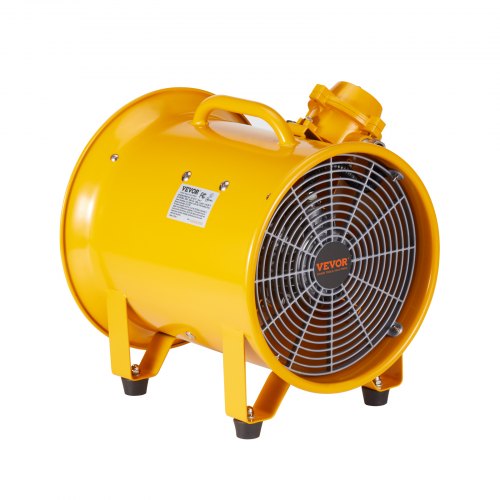
Have you ever wondered how fresh air keeps flowing in your home or office, even when windows stay closed? The answer often lies with a ventilator fan.
This simple device plays a crucial role in maintaining clean, breathable air and keeping your space comfortable. If you want to understand how a ventilator fan works and why it might be the key to improving your indoor air quality, keep reading.
By the end of this article, you’ll know exactly what a ventilator fan is and how it can make a real difference in your daily life.
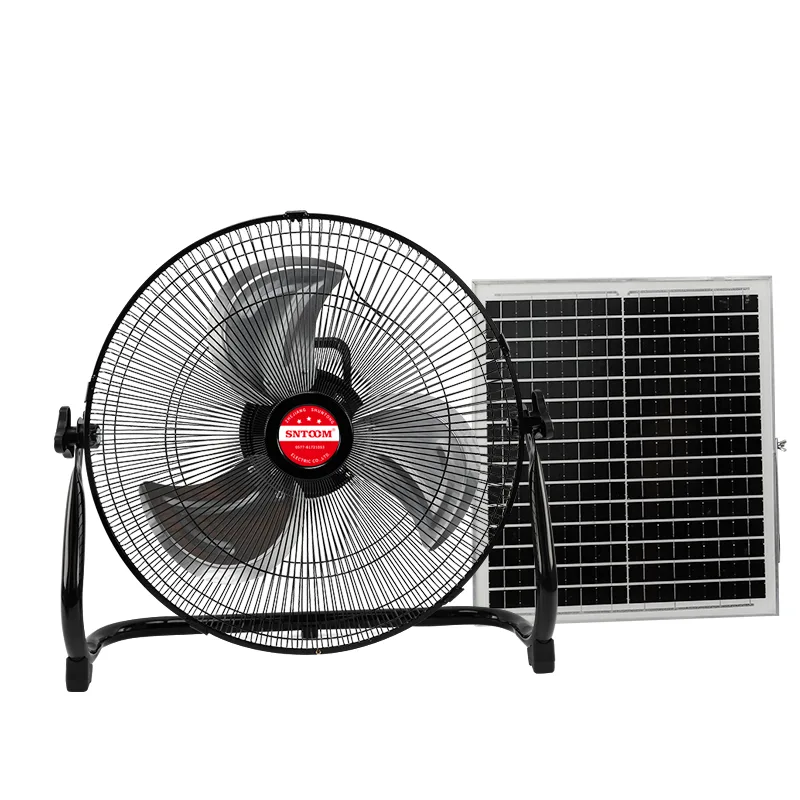
Credit: sntoom.net
Ventilator Fan Basics
Ventilator fans help move air to keep spaces fresh and comfortable. They remove stale air and bring in fresh air. These fans improve air quality and reduce moisture. Many homes and buildings use ventilator fans for better airflow.
Understanding how ventilator fans work and the types available helps in choosing the right one. Each type serves different needs and spaces. Learning about these basics helps you make smart decisions.
How Ventilator Fans Work
Ventilator fans pull air from one place and push it outside or into another area. They use blades that spin fast to move air. The fan motor powers the blades. As blades turn, they create airflow that moves air out of rooms.
This process removes bad smells, moisture, and pollutants. It also brings in fresh air from outside. This keeps the indoor air clean and dry. Ventilator fans often run quietly and use little energy.
Types Of Ventilator Fans
- Exhaust Fans:These fans remove air from kitchens, bathrooms, or other rooms. They help get rid of smoke, odors, and humidity.
- Inline Fans:Installed inside ducts, these fans move air through long spaces. They are good for large homes or offices.
- Window Fans:Fit into windows to push air out or pull fresh air in. Easy to install and use.
- Ceiling Fans with Ventilation:These fans circulate air inside rooms. Some models also help ventilate by moving air to vents.
- Attic Fans:Installed in attics to remove hot air and lower roof temperature. Help reduce cooling costs.
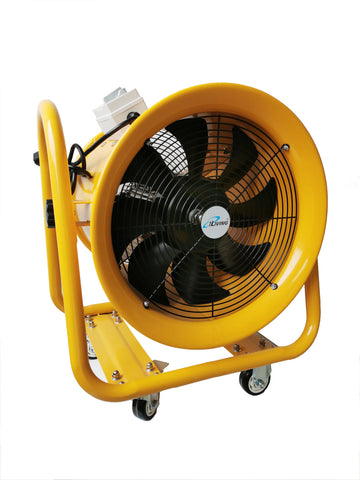
Credit: ilivingusa.com
Key Benefits
Ventilator fans offer many important benefits for homes and workplaces. They help keep air fresh and comfortable. These fans also save energy and protect buildings from damage. Understanding their key benefits helps you see why ventilator fans are a smart choice for better air flow.
Improved Air Quality
Ventilator fans bring fresh air into rooms. They remove stale air, dust, and odors. This improves breathing comfort and reduces indoor pollution. Clean air helps people feel more alert and healthy. Good air quality supports overall well-being and productivity.
Energy Efficiency
Ventilator fans use less power than air conditioners. They cool spaces by moving air, not by cooling it. This lowers electricity bills and reduces energy waste. Energy-efficient fans help protect the environment. They provide a cost-effective way to stay cool and fresh.
Reduced Moisture And Mold
These fans remove excess moisture from the air. Moisture can cause mold and mildew growth. Mold damages walls and harms health. Ventilator fans keep spaces dry and safe. They help prevent costly repairs and improve indoor comfort.
Common Uses
Ventilator fans play a crucial role in many environments by moving air to improve comfort, safety, and air quality. Understanding their common uses can help you decide where and how to install them effectively. These fans are versatile and can be found in homes, workplaces, and even hospitals.
Residential Applications
In homes, ventilator fans help reduce moisture and prevent mold growth. You might find them in bathrooms, kitchens, and attics where humidity tends to build up. Installing a fan in these areas keeps your living space fresh and protects your walls and ceilings from damage.
Have you noticed how a simple exhaust fan in your bathroom can eliminate odors and steam quickly? That’s exactly what makes ventilator fans so practical for everyday use. They also improve air circulation, making your home feel more comfortable year-round.
Commercial And Industrial Uses
Businesses rely on ventilator fans to maintain air quality and control temperatures. Factories use them to remove dust, fumes, and heat generated by machinery. This creates a safer and more productive work environment for employees.
Retail stores and restaurants use fans to keep indoor air fresh, which enhances customer experience. Can you imagine a busy kitchen without proper ventilation? It would quickly become unbearable, showing how essential these fans are for commercial spaces.
Healthcare Settings
In hospitals and clinics, ventilator fans are vital for infection control and patient comfort. They help filter and circulate clean air, reducing the risk of airborne diseases. You’ll often find them in operating rooms, patient wards, and laboratories.
Proper ventilation here isn’t just about comfort—it can save lives. Have you ever considered how much air quality impacts recovery? Ensuring clean air flow supports faster healing and protects both patients and staff.
Installation Tips
Installing a ventilator fan correctly ensures it works efficiently and lasts longer. Proper installation helps improve air quality and keeps the space comfortable. Follow these tips to choose, place, and maintain your fan for the best results.
Choosing The Right Fan
Select a fan size that suits the room’s volume. Check the fan’s airflow capacity, usually measured in cubic feet per minute (CFM). Match the CFM with the room size for effective ventilation. Consider energy-efficient models to save electricity. Look for fans with noise levels suitable for your space.
Placement Considerations
Install the fan where it can remove stale air easily. Avoid placing it near obstacles that block airflow. Position the fan close to moisture sources in bathrooms or kitchens. Ensure the fan vents outside to prevent indoor air pollution. Keep electrical connections safe and away from water.
Maintenance Practices
Clean the fan blades regularly to avoid dust buildup. Check the motor and wiring for wear or damage. Replace filters if your fan has them. Lubricate moving parts as recommended by the manufacturer. Schedule periodic inspections to keep the fan running smoothly.
Energy Savings And Cost
Ventilator fans are not just about improving air quality; they are a smart choice for reducing energy costs. By efficiently circulating air, these fans help maintain a stable temperature, reducing the need for heating and cooling systems to work overtime. This energy efficiency translates to significant savings on your utility bills, making ventilator fans a wise investment for any homeowner.
Long-term Savings
Investing in a ventilator fan can lead to substantial long-term savings. Think about the cumulative effect of reduced energy consumption month after month. Over time, the savings on your energy bills can far outweigh the initial cost of the fan, offering you a high return on investment.
Imagine the extra cash you could have for other home improvements or even a family vacation. Isn’t it time to consider how a simple device can make such a difference in your life?
Incentives And Rebates
Did you know that purchasing a ventilator fan could make you eligible for incentives and rebates? Many governments and utility companies offer financial incentives to encourage energy-efficient home improvements. These rebates can significantly reduce the upfront costs of installing a ventilator fan.
Check with your local energy providers to find out what programs are available in your area. Taking advantage of these incentives not only saves money but also supports environmental sustainability.
Have you explored the potential savings a ventilator fan can bring to your home? The benefits go beyond just comfort and air quality. With energy savings and possible rebates, it’s a win-win situation for you and the planet.
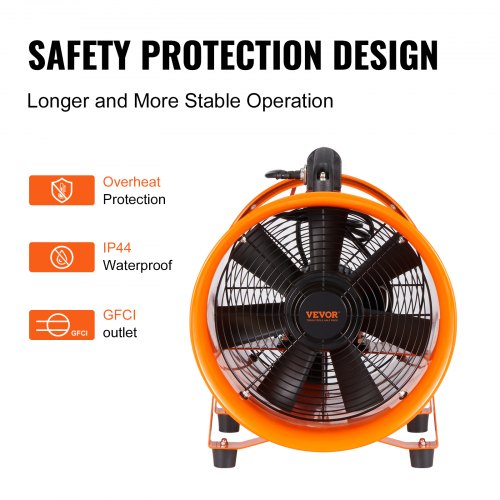
Credit: www.vevor.com
Comparing Ventilator Fans With Other Fans
Understanding the differences between ventilator fans and other types of fans helps you choose the right one for your space. Each fan serves a unique purpose, whether it’s to cool, ventilate, or exhaust air. Let’s break down how ventilator fans stack up against exhaust fans and ceiling fans to see which fits your needs best.
Exhaust Fans Vs. Ventilator Fans
Exhaust fans primarily remove stale air, smoke, or odors from a room. They work by pulling air out and pushing it outside, which helps improve indoor air quality.
Ventilator fans, however, focus on continuous air exchange. They bring fresh air in while pushing old air out, maintaining a balanced airflow. This makes ventilator fans ideal for spaces that need constant ventilation rather than just air removal.
- Exhaust fansare great for kitchens and bathrooms to quickly remove moisture and smells.
- Ventilator fanssuit areas like offices or workshops where fresh air circulation is essential.
Have you noticed how a kitchen exhaust fan clears smoke instantly, but a ventilator fan keeps the whole room feeling fresh over time? That ongoing airflow can make a big difference in comfort.
Ceiling Fans Vs. Ventilator Fans
Ceiling fans circulate the air within a room but do not exchange indoor air with outdoor air. They create a breeze that helps cool you down by evaporating sweat from your skin.
Ventilator fans, on the other hand, focus on ventilation by moving air in and out of a building. They actually improve air quality by reducing pollutants and humidity.
- Ceiling fansare energy-efficient for cooling but don’t reduce indoor air contaminants.
- Ventilator fanshelp with fresh air supply, which is especially important in tightly sealed homes.
If you rely solely on ceiling fans, you might feel cooler but still breathe in stale air. Wouldn’t it be better to have both cooling and fresh air? Combining ventilator fans with ceiling fans can create a healthier and more comfortable environment.
Frequently Asked Questions
What Is A Ventilator Fan Used For?
A ventilator fan circulates fresh air and removes stale air in indoor spaces. It improves air quality and controls humidity. These fans are essential in homes, offices, and industrial settings to ensure proper ventilation and maintain a healthy environment.
How Does A Ventilator Fan Work?
A ventilator fan works by drawing air from outside or inside a space. It pushes stale or polluted air out while pulling in fresh air. This exchange helps regulate temperature, reduce odors, and prevent moisture buildup, promoting better indoor air quality.
What Are The Benefits Of A Ventilator Fan?
Ventilator fans improve air circulation, reduce indoor pollutants, and control humidity. They help prevent mold growth and remove unpleasant odors. Using a ventilator fan can enhance comfort, protect health, and increase energy efficiency by reducing the need for air conditioning.
Where Can Ventilator Fans Be Installed?
Ventilator fans can be installed in kitchens, bathrooms, attics, and basements. They are also used in industrial buildings and workshops. Proper installation ensures effective air exchange and ventilation, which helps maintain a comfortable and safe indoor environment.
Conclusion
A ventilator fan helps move air in and out of spaces. It keeps rooms fresh and reduces moisture. These fans work quietly and save energy. They are useful in homes, offices, and factories. Choosing the right ventilator fan improves air quality and comfort.
Understanding how they work makes it easier to pick one. Good ventilation supports health and prevents mold. A ventilator fan is a simple tool with big benefits.



