
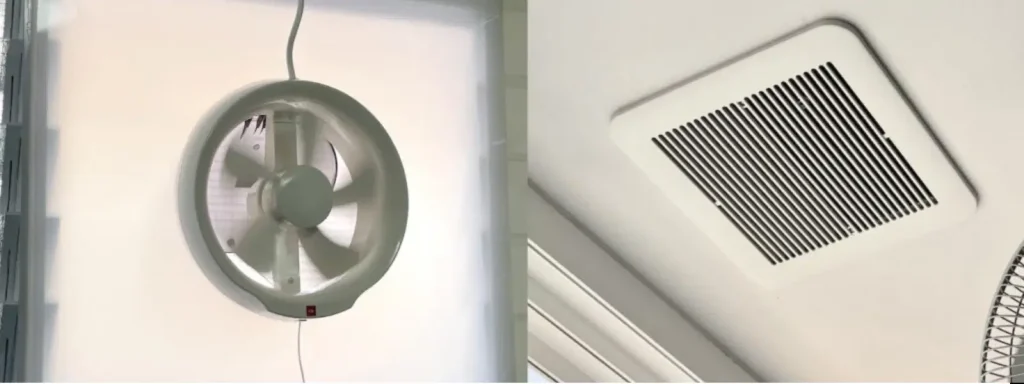
Is your bathroom feeling damp, musty, or foggy even after a quick shower? Poor ventilation can cause these problems and more, like mold growth and bad odors that won’t go away.
But don’t worry—you can fix this. Improving your bathroom ventilation is easier than you think, and it can make a huge difference in your comfort and health. You’ll discover simple, effective ways to boost airflow and keep your bathroom fresh and dry all year round.
Keep reading, and say goodbye to that stale, humid bathroom for good.
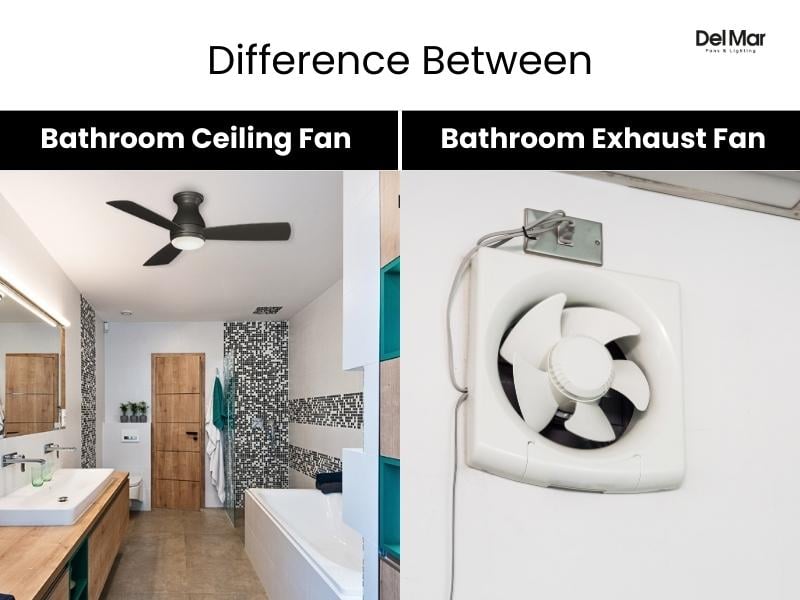
Credit: www.delmarfans.com
Signs Of Poor Bathroom Ventilation
Poor bathroom ventilation often goes unnoticed until it causes visible or uncomfortable problems. Recognizing the early signs can save you from costly repairs and health issues later. Below are some common indicators that your bathroom may not be ventilating properly.
Excess Moisture And Mold
Do you see water droplets on walls or ceilings after a shower? Excess moisture is a clear sign your bathroom isn’t drying out properly. Over time, this dampness can lead to mold growth, which not only damages surfaces but also affects your health.
Have you noticed dark spots in corners or behind the toilet? These are often patches of mold feeding on the moisture trapped by poor ventilation. Addressing this early can prevent serious mold infestations and structural damage.
Lingering Odors
Does your bathroom retain unpleasant smells long after use? This usually happens when stale air isn’t removed quickly enough. Without proper airflow, odors build up and create an uncomfortable environment.
Think about how your bathroom smells right after cleaning versus a few hours later. If the fresh scent disappears quickly, your ventilation system might not be doing its job. Improving airflow can help keep your bathroom smelling clean and fresh.
Foggy Mirrors
Do your mirrors stay fogged up for an unusually long time after a hot shower? This happens when humid air lingers instead of being vented out. Foggy mirrors are a simple but effective clue that moisture isn’t escaping as it should.
Try timing how long it takes for your mirror to clear. If it takes more than a few minutes, your bathroom likely needs better ventilation. Fixing this can improve comfort and reduce moisture-related problems.

Credit: www.pmmag.com
Benefits Of Good Ventilation
Good ventilation in the bathroom brings many benefits. It helps keep the air fresh and dry. This improves comfort and protects your home from damage. Below are key advantages of proper bathroom ventilation.
Health Improvements
Proper ventilation reduces moisture that causes mold and mildew. Mold spores can harm breathing and trigger allergies. Fresh air lowers bacteria and odors. This creates a cleaner and safer bathroom space. Breathing fresh air supports overall health and well-being.
Protecting Bathroom Fixtures
Excess moisture can damage walls, paint, and wood. It causes peeling paint and warped surfaces. Good ventilation helps dry wet areas quickly. This prevents long-term damage to fixtures and surfaces. Well-maintained fixtures last longer and look better.
Reducing Energy Costs
Ventilation removes humid air that makes heating less efficient. Dry air feels warmer, so you use less heat. Fans with timers save energy by running only when needed. Proper ventilation can lower your heating and cooling bills. It helps maintain a comfortable bathroom without waste.
Choosing The Right Ventilation System
Choosing the right ventilation system for your bathroom is essential to keep the air fresh and prevent mold growth. The best option depends on your bathroom’s size, layout, and how much natural airflow you already have. Knowing the pros and cons of each system can help you make a smart, effective choice.
Exhaust Fans
Exhaust fans are the most common solution for bathroom ventilation. They quickly remove humid air and odors, pushing them outside your home. Installing a fan with the right capacity is crucial—too small, and it won’t clear moisture effectively; too large, and it wastes energy.
Look for models with a good balance of noise level and airflow, measured in cubic feet per minute (CFM). A quiet fan encourages regular use, which makes a noticeable difference in air quality. If your bathroom doesn’t have a window, an exhaust fan is almost a must-have.
Window Ventilation
If your bathroom has a window, it can be a simple and cost-effective way to improve ventilation. Opening the window during and after showers helps moisture escape naturally. However, relying only on a window may not work well in cold or rainy weather when you’d prefer to keep it closed.
Consider combining window use with another system for better results. You might also want to check if your window opens wide enough to allow sufficient airflow. Have you noticed how just a few minutes of fresh air can reduce that damp feeling?
Dehumidifiers
Dehumidifiers are a great addition if your bathroom struggles with high humidity but lacks good airflow options. They pull moisture from the air, lowering humidity without needing outside ventilation. This can be particularly useful in basements or bathrooms without windows.
Keep in mind that dehumidifiers require regular emptying or a drainage setup. They also consume electricity, so look for energy-efficient models. Using a dehumidifier alongside an exhaust fan or window can give your bathroom the best chance at staying dry and fresh.
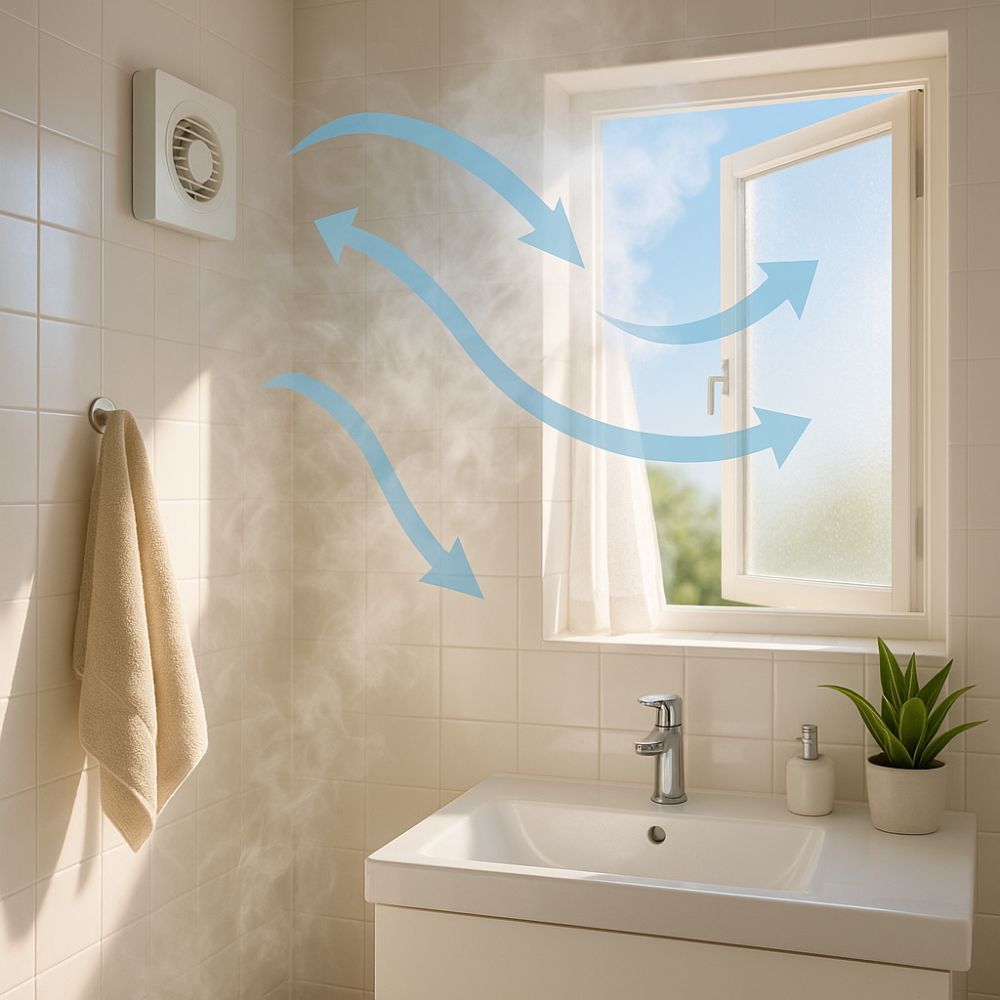
Credit: www.parishbathrooms.co.uk
Installing And Maintaining Exhaust Fans
Installing and maintaining exhaust fans is a key way to improve your bathroom ventilation. These fans help remove moisture and odors, preventing mold growth and keeping the air fresh. However, just adding a fan isn’t enough—you need to think about where you place it, how often you clean it, and whether it’s time for an upgrade.
Proper Placement
Where you install your exhaust fan makes a big difference in how well it works. Position the fan near the shower or bathtub because that’s where most moisture builds up. Placing it too far from these areas can leave damp spots that encourage mold.
Have you noticed foggy mirrors or persistent dampness in certain corners? That might be a sign your fan isn’t in the right spot. Also, make sure the fan vents outside, not just into the attic or another room, to avoid moisture problems elsewhere in your home.
Regular Cleaning
Exhaust fans collect dust and grime over time, which reduces their efficiency. Set a reminder to clean your fan every few months by wiping the grille and removing dust from the blades. A clogged fan can’t pull out moisture effectively, making your bathroom more prone to mold and mildew.
Cleaning is simple but often overlooked. You don’t need special tools—just a screwdriver to remove the cover and a vacuum or damp cloth to clean. Think of it like changing air filters in your car; regular maintenance keeps everything running smoothly.
Upgrading Old Fans
If your exhaust fan is over 10 years old, it might be time to upgrade. Newer models are quieter, more energy-efficient, and more powerful. Older fans often struggle to move enough air, especially in larger bathrooms.
Look for fans with higher CFM (cubic feet per minute) ratings to ensure better airflow. Some modern fans also include humidity sensors that turn on automatically when moisture levels rise. Investing in an upgrade can save you money on energy bills and protect your bathroom from long-term damage.
Maximizing Natural Airflow
Open windows and doors to let fresh air flow through the bathroom naturally. Position vents or fans near windows to help move humid air outside quickly. This simple step reduces moisture and keeps the space dry and fresh.
Maximizing natural airflow in your bathroom can greatly improve ventilation. Good airflow keeps your bathroom fresh and free of moisture. This reduces mold and mildew growth. Let’s explore some simple methods to enhance natural airflow.Using Windows And Doors
Open windows to let fresh air circulate. A wide-open window draws out moisture quickly. If your bathroom door leads to another room, keep it open. This allows air to flow freely between spaces. Use door stoppers to keep doors ajar. This simple trick improves ventilation without extra cost.Adding Ventilation Grilles
Install ventilation grilles at the bottom of the door. Grilles help air move between rooms even with closed doors. They don’t compromise privacy while enhancing airflow. Choose grilles that match your bathroom’s style. Many designs are available to suit different tastes.Cross Ventilation Techniques
Cross ventilation uses airflow from opposite sides of a room. Open windows on opposite walls, if possible. This creates a breeze that sweeps through the bathroom. If two windows aren’t available, use a fan. Place it near a window to push stale air out. Cross ventilation is effective in reducing humidity quickly.Additional Tips For Fresher Air
Improving bathroom ventilation doesn’t stop at installing fans or windows. You can take extra steps to keep the air fresher and healthier. These additional tips help reduce moisture and odors, making your bathroom a more pleasant space.
Using Moisture Absorbers
Moisture absorbers are simple tools that trap excess humidity. Placing silica gel packs, activated charcoal bags, or calcium chloride containers in your bathroom helps prevent mold and mildew buildup.
Try putting them near the shower or sink where moisture collects most. Have you noticed how a small moisture absorber can keep your towels feeling dry and fresh longer?
Houseplants For Air Quality
Some houseplants naturally improve indoor air by absorbing pollutants and adding oxygen. Plants like spider plants, Boston ferns, and peace lilies thrive in bathroom environments.
Besides looking nice, they reduce humidity and help control odors. Have you ever experienced how a few green plants can change the atmosphere in your bathroom?
Routine Bathroom Cleaning
Keeping your bathroom clean is key to maintaining fresh air. Focus on wiping down surfaces, scrubbing grout, and cleaning vents regularly to stop dirt and mold from accumulating.
Don’t forget to clean your exhaust fan blades and filters too. How often do you clean your bathroom vents? A little extra attention here can make a big difference in air quality.
Frequently Asked Questions
How Can I Increase Bathroom Ventilation Naturally?
Open windows and doors to allow fresh air in. Use exhaust fans during and after showers. Adding plants can also improve air quality and reduce humidity.
What Type Of Exhaust Fan Is Best For Bathrooms?
Choose a fan with a high CFM rating suitable for your bathroom size. Look for models with low noise and energy efficiency for better performance.
How Often Should Bathroom Ventilation Fans Be Cleaned?
Clean fans every 6 months to remove dust and debris. Regular cleaning ensures optimal airflow and extends the fan’s lifespan, preventing mold and moisture buildup.
Can A Dehumidifier Improve Bathroom Ventilation?
Yes, a dehumidifier reduces moisture levels and prevents mold growth. It works well in bathrooms lacking windows or proper exhaust ventilation.
Conclusion
Good bathroom ventilation keeps your space fresh and dry. It helps stop mold and mildew from growing. Proper airflow makes your bathroom safer and healthier. Simple steps like using fans and opening windows make a big difference. Regular maintenance keeps vents working well.
Small changes can improve air quality and comfort. Start today for a cleaner, fresher bathroom tomorrow.



