
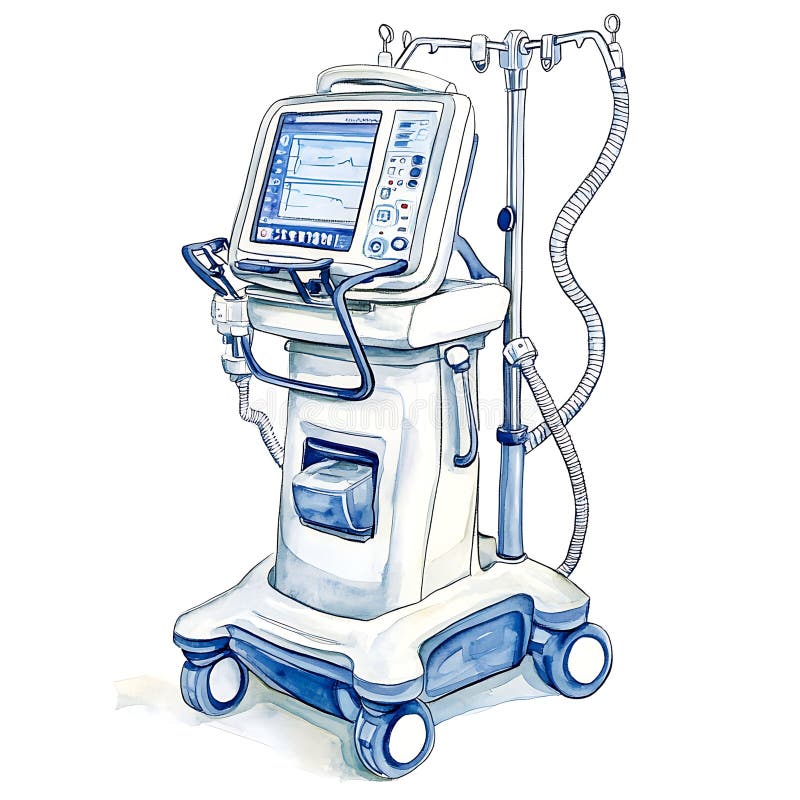
Have you ever wondered what keeps someone alive when their body can’t do it on its own? A life support machine is the answer.
It’s a powerful tool that helps breathe, pump blood, or perform other vital functions for those in critical condition. Understanding how it works can give you peace of mind or prepare you for tough decisions. Keep reading to discover what a life support machine is, how it works, and why it matters to you or someone you care about.
Life Support Machine Basics
Understanding the basics of life support machines is crucial, especially if you or a loved one ever faces critical health challenges. These machines play a vital role in keeping essential body functions working when the body cannot do so on its own. Knowing their purpose and the common types can help you grasp how medical teams support patients during emergencies or long-term care.
Purpose And Function
Life support machines are designed to maintain or replace vital bodily functions. They assist or completely take over tasks like breathing, circulation, or kidney function. Without these machines, patients with severe injuries or illnesses might not survive.
Think about a time you experienced difficulty breathing or felt extremely weak. Life support machines step in to keep oxygen flowing and organs working while your body heals. They don’t cure the illness but provide a critical bridge to recovery.
Common Types
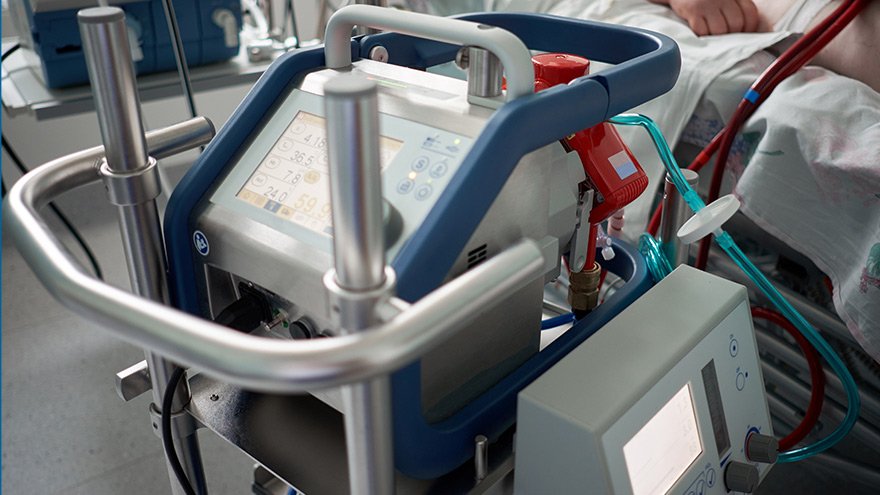
- Ventilators:Help patients breathe by moving air in and out of the lungs when they cannot breathe on their own.
- Heart-Lung Machines:Temporarily take over the functions of the heart and lungs during surgeries.
- Dialysis Machines:Filter waste and excess fluids from the blood when the kidneys fail.
- Extracorporeal Membrane Oxygenation (ECMO):Provides prolonged cardiac and respiratory support by circulating blood through an artificial lung.
Have you ever wondered how these machines know exactly what your body needs? Each is carefully monitored and adjusted by healthcare professionals to meet individual patient needs. This personalized care can make all the difference in outcomes.
Credit: www.renown.org
Key Components
Understanding the key components of a life support machine can give you clearer insight into how these devices keep patients alive during critical moments. Each part plays a vital role in maintaining essential body functions when the body cannot do so on its own. Let’s break down these components and see how they work together to support life.
Respiratory Support
Respiratory support is often the first thing people think about when they hear “life support.” This component helps patients breathe by delivering oxygen and removing carbon dioxide from the body.
Machines like ventilators use tubes inserted into the airway to push air in and out of the lungs. This ensures your body gets the oxygen it needs even if your lungs are failing.
Have you ever considered how delicate the balance of oxygen and carbon dioxide is in your blood? Life support machines constantly monitor and adjust this balance to keep you stable.
Circulatory Assistance
Circulatory assistance helps maintain blood flow and heart function. When the heart cannot pump effectively, this component steps in to take over or support the workload.
Devices such as ventricular assist devices (VADs) or extracorporeal membrane oxygenation (ECMO) machines temporarily replace or enhance heart function. This ensures that oxygen-rich blood reaches your organs and tissues.
Think about how much your body relies on consistent blood flow—without it, cells start to die quickly. Circulatory assistance buys time for recovery or for more permanent solutions.
Monitoring Systems
Monitoring systems keep a close eye on vital signs and machine performance. They track heart rate, oxygen levels, blood pressure, and more in real time.
These systems alert healthcare providers immediately if something goes wrong. This quick response can be the difference between life and death.
Would you trust a machine that doesn’t provide constant feedback? Monitoring systems provide the safety net that ensures your life support machine is working correctly at all times.
When Are They Used?
Life support machines play a vital role in medicine, stepping in when the body’s own systems struggle to keep up. Understanding when these machines are used helps you appreciate their importance and the situations where they can make a critical difference. Let’s look at some specific scenarios where life support becomes necessary.
Critical Illness Scenarios
Life support machines are often used for patients facing severe illnesses that affect vital organs. Conditions like respiratory failure, severe infections, or organ damage can leave the body unable to function properly on its own.
For example, if your lungs can’t supply enough oxygen, a ventilator can assist breathing. Similarly, machines like dialysis support kidney function when those organs fail. These tools buy time for your body to heal or for doctors to find other treatments.
Post-surgery Care
After major surgeries, your body might need extra help to recover. Life support machines provide that assistance, especially when surgery impacts your heart, lungs, or brain.
Imagine waking up from surgery but still unable to breathe fully on your own. A ventilator can take over temporarily until you regain strength. This support reduces stress on your body and improves your chances of a smooth recovery.
Emergency Situations
In emergencies like accidents or sudden medical crises, life support machines can be lifesavers. They stabilize your condition when immediate intervention is necessary but the body is too weak to respond.
Think about someone who stops breathing after a trauma. Emergency responders use ventilators and other machines to maintain breathing and circulation. This support keeps vital organs alive while doctors work to fix the underlying problem.

Credit: www.nobelmedicalcollege.com.np
Risks And Challenges
Life support machines are vital in critical care but come with risks and challenges. These devices keep patients alive by supporting heart, lung, or kidney functions. Despite their importance, they can cause complications and raise difficult ethical questions.
Possible Complications
Using life support machines can lead to health issues. Common complications include:
- Infections caused by tubes or catheters
- Damage to organs from prolonged use
- Blood clots or bleeding problems
- Muscle weakness due to immobility
- Lung injuries from mechanical ventilation
Doctors monitor patients closely to reduce these risks. Timely care helps prevent long-term harm.
Ethical Considerations
Life support raises many ethical dilemmas. Families and doctors often face tough decisions about:
- When to start or stop treatment
- Patient quality of life versus survival
- Respecting patient wishes and advance directives
- Balancing medical benefits against emotional costs
Clear communication and respect for patient rights are essential. These choices require compassion and careful thought.
Advancements In Technology
A life support machine helps keep people alive when their body cannot work on its own. It supports breathing, heart, or other vital functions. These machines are vital in hospitals for patients with serious health problems.
Advancements in technology have significantly transformed life support machines, making them more efficient and user-friendly. These machines are critical in sustaining life by performing essential bodily functions when the body cannot. With rapid technological progress, life support machines have evolved to offer improved safety, portability, and ease of use.Improved Safety Features
Modern life support machines come equipped with advanced safety features that minimize risks and enhance reliability. Alarms and alerts notify healthcare professionals of any issues, allowing for quick intervention. This ensures that patients receive the best possible care, reducing the chance of human error. Additionally, these machines are designed to be more intuitive, with user-friendly interfaces that simplify operation. Even in high-pressure situations, medical staff can easily navigate the controls, ensuring seamless patient care.Portable Life Support Devices
The development of portable life support devices has been a game-changer. These compact machines allow patients to maintain their quality of life outside the hospital setting. Whether it’s traveling or simply spending time at home, portability offers newfound freedom. Imagine being able to visit family or take a walk in the park while still receiving the support you need. This flexibility is not just about convenience; it’s about enhancing life quality and providing emotional well-being. Portable devices are also becoming increasingly accessible, making them a viable option for more patients. As technology continues to advance, these devices will likely become even more affordable and efficient, widening the horizon of possibilities for those who rely on life support.Caregiver And Patient Roles
The roles of caregivers and patients are vital when using a life support machine. Both must work together for the best care and recovery. Understanding their responsibilities helps reduce stress and improve outcomes.
Managing The Equipment
Caregivers learn how to operate the life support machine safely. They check the machine regularly to ensure it works correctly. Simple tasks include adjusting settings and monitoring alarms. Patients may not handle the machine but can observe and report any discomfort. Clear communication between caregiver and patient is important for smooth management.
Emotional And Psychological Impact
Life support machines can affect emotions deeply. Patients may feel scared or frustrated being connected to a machine. Caregivers often face stress and worry about the patient’s condition. Support from family, friends, and professionals helps both cope better. Staying positive and patient improves the healing process.

Credit: www.news18.com
Frequently Asked Questions
What Is A Life Support Machine Used For?
A life support machine helps sustain vital body functions when patients cannot do so naturally. It supports breathing, circulation, or organ function.
How Does A Life Support Machine Work?
It mechanically assists or replaces essential body functions like breathing or heart pumping. Sensors monitor patient status, adjusting support as needed.
Who Needs A Life Support Machine?
Patients with severe illness, injury, or surgery complications often require life support to maintain vital functions temporarily.
Can A Life Support Machine Save Lives?
Yes, it sustains critical body functions, giving patients time to recover or receive further treatment.
Conclusion
Life support machines help keep patients alive when their bodies cannot work alone. They assist with breathing, heart function, and other vital tasks. Doctors use these machines to give time for recovery or decision-making. Families often face tough choices about their use.
Understanding life support helps people feel more prepared and informed. These machines play a key role in modern healthcare and save many lives every day.



