
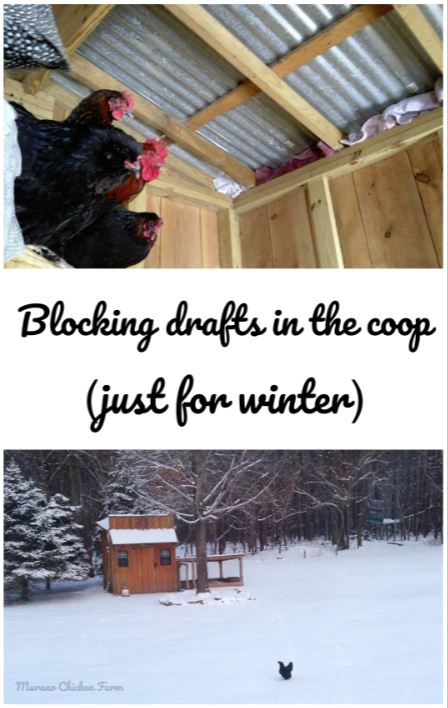
If you keep chickens, you know how important it is to keep them healthy and comfortable. One key factor is ventilation in your chicken coop.
Without proper airflow, your chickens can suffer from poor air quality, moisture buildup, and even illness. But how do you make sure your coop is well-ventilated without making it too drafty? You’ll discover simple, effective ways to ventilate your chicken coop.
By the end, you’ll have the confidence to create a fresh, safe environment that keeps your flock happy and thriving. Keep reading to learn the easy steps you can take today!
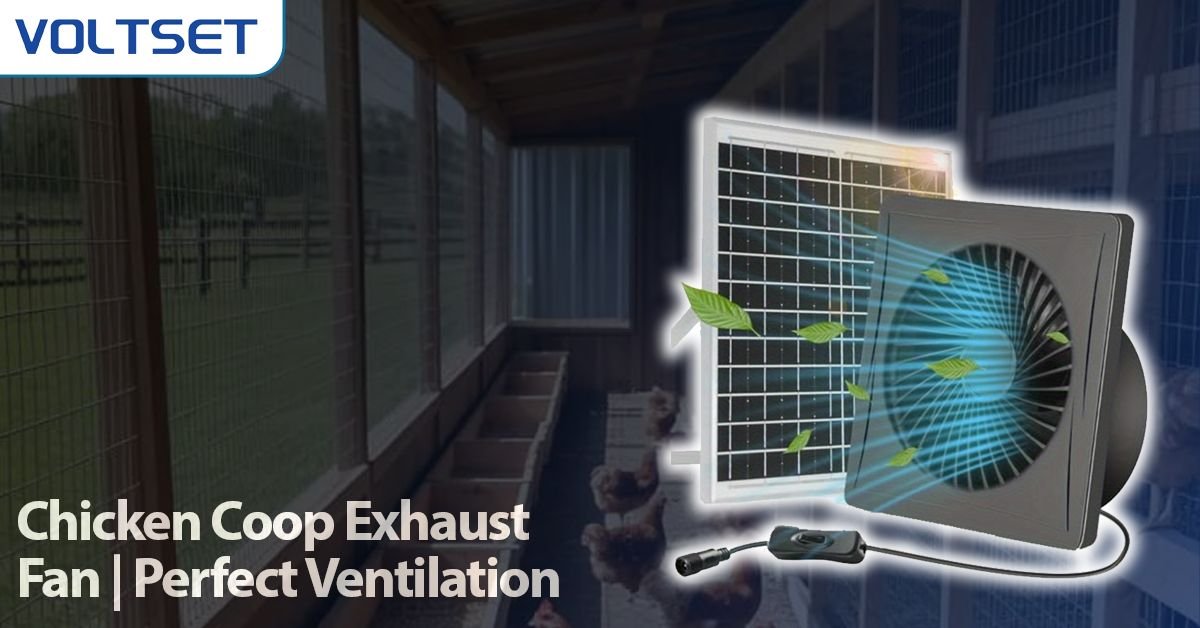
Credit: voltset.com
Importance Of Coop Ventilation
Ventilation in a chicken coop is essential for keeping chickens healthy and comfortable. It helps control temperature, moisture, and air quality. Without proper airflow, the coop can become harmful to your flock. Fresh air prevents the buildup of harmful gases and keeps the environment dry. Good ventilation supports the overall well-being of your birds.
Effects Of Poor Airflow
Poor airflow causes dampness inside the coop. Moist air leads to mold and mildew growth. Ammonia from droppings builds up and harms chicken lungs. Stale air increases the risk of respiratory diseases. Chickens become stressed and less productive in bad air. Heat can get trapped, causing overheating in summer. Cold air can become stagnant, making winter harsh.
Benefits For Chicken Health
Proper ventilation reduces moisture and ammonia levels. It keeps the coop dry and odor-free. Fresh air lowers the chance of respiratory infections. Chickens stay calmer and less stressed with good airflow. It helps maintain a steady, comfortable temperature. Strong, healthy birds lay more eggs. Ventilation improves coop cleanliness and reduces parasites.
Signs Of Inadequate Ventilation
Recognizing the signs of poor ventilation in your chicken coop can save your flock from discomfort and illness. If the air inside feels heavy or stale, it’s a warning you shouldn’t ignore. Let’s look at some clear indicators that your coop needs better airflow.
Excess Moisture And Odors
Have you noticed damp bedding or condensation on windows? Excess moisture is one of the first signs that ventilation is lacking. When moisture builds up, it creates an environment where mold and bacteria thrive, which can harm your chickens.
Strong, unpleasant odors that linger even after cleaning are another red flag. Ammonia from droppings should dissipate quickly with proper airflow. If you smell it strongly, your chickens are breathing in unhealthy air every day.
- Wet or soggy bedding that doesn’t dry out
- Foggy or damp coop walls and windows
- Persistent ammonia or sour smells
Respiratory Issues In Chickens
Have you seen your chickens coughing, sneezing, or wheezing? These are common signs that poor ventilation is affecting their respiratory health. Without fresh air, dust and ammonia irritate their lungs and can lead to infections.
Chickens with breathing problems might also appear lethargic or have swollen eyes and noses. Watching your flock’s behavior closely can help you catch these symptoms early before they become serious.
- Frequent sneezing and coughing
- Labored or noisy breathing
- Swollen eyes or nasal discharge
What changes can you make today to improve the air your chickens breathe? Sometimes, small adjustments like adding vents or raising the coop slightly off the ground can make a big difference.
Types Of Ventilation Systems
Choosing the right ventilation system helps keep your chicken coop fresh and dry. Proper airflow controls humidity and removes harmful gases. Several types of ventilation systems fit different coop sizes and climates. Understanding these options guides you to the best choice for your chickens.
Natural Ventilation Options
Natural ventilation uses openings to allow air to flow freely. It relies on wind and temperature differences to move fresh air inside. Common natural ventilation features include:
- Windows placed high and low for cross ventilation
- Vents near the roof to release warm air
- Adjustable shutters to control airflow
- Screened openings to keep pests out
This system requires no electricity and is easy to maintain. It works best in mild climates and well-designed coops. Proper placement of vents is crucial to avoid drafts on chickens.
Mechanical Ventilation Solutions
Mechanical ventilation uses fans to force air in or out of the coop. This system helps maintain steady airflow regardless of outside weather. Common types include:
- Exhaust fans to pull stale air out
- Intake fans to bring fresh air in
- Thermostat-controlled fans for automatic operation
- Inline fans for larger coops or barns
Mechanical systems work well in extreme weather or crowded coops. They require power and occasional maintenance but provide reliable ventilation. Fans should be placed to avoid direct wind on chickens.
Designing Ventilation For Your Coop
Designing ventilation for your chicken coop is essential to keep your flock healthy and comfortable. Proper airflow removes moisture, ammonia, and heat, which can otherwise harm your chickens. It’s about finding the right balance between fresh air and protection from drafts.
Placement Of Vents
Where you place vents in your coop affects how well air moves through the space. Ideally, vents should be high up near the roof to let hot air escape. Cooler air can enter through lower vents, creating a natural flow that refreshes the air without chilling your birds.
Think about the direction of prevailing winds on your property. Position vents so they catch breezes but aren’t directly aimed at your chickens’ roosting spots. You want fresh air circulating without strong drafts that can stress your flock.
Balancing Airflow And Temperature
Too much airflow can cause cold drafts, especially during winter, while too little can trap heat and moisture inside. You can use adjustable vents or shutters to control how much air enters and exits based on the season.
Adding insulation to walls while keeping vents open can help maintain a steady temperature. Ask yourself: how can I keep air moving without making my chickens shiver at night? Experiment with vent sizes and placement until you find a setup that keeps your coop fresh and cozy year-round.
Materials And Tools Needed
Basic tools like a drill, screwdriver, and measuring tape help with coop ventilation. Materials include vents, wire mesh, and weatherproof seals to keep air flowing safely.
Ventilating a chicken coop isn’t just about keeping the air fresh—it’s about ensuring the health and productivity of your flock. The right materials and tools can make this task much easier and more effective. Let’s dive into what you’ll need to create a well-ventilated environment for your chickens.Vent Covers And Screens
Vent covers and screens are essential to keep unwanted guests like rodents and insects out while allowing air to flow freely. Choose durable materials like galvanized wire mesh, which is resistant to rust and pecking. These screens can be easily attached to existing openings in your coop. Consider using adjustable vent covers, which allow you to control airflow based on the season. In winter, you can close them partially to retain warmth while still ensuring adequate ventilation. Don’t forget to periodically check and clean the screens to maintain optimal airflow.Fans And Exhaust Systems
Fans can be a game-changer when natural ventilation falls short, especially in larger coops. Opt for energy-efficient fans designed for outdoor use to withstand the elements. Position them strategically to ensure they circulate air evenly throughout the coop. Exhaust systems can be particularly beneficial during the hot summer months. They help to expel hot air and moisture, preventing heat stress in chickens. A small investment in an exhaust fan can lead to a noticeable improvement in your coop’s environment. Does your coop have different needs depending on the season? Experiment with fan placement and settings to find what works best for your setup. Your chickens will thank you with better health and increased egg production.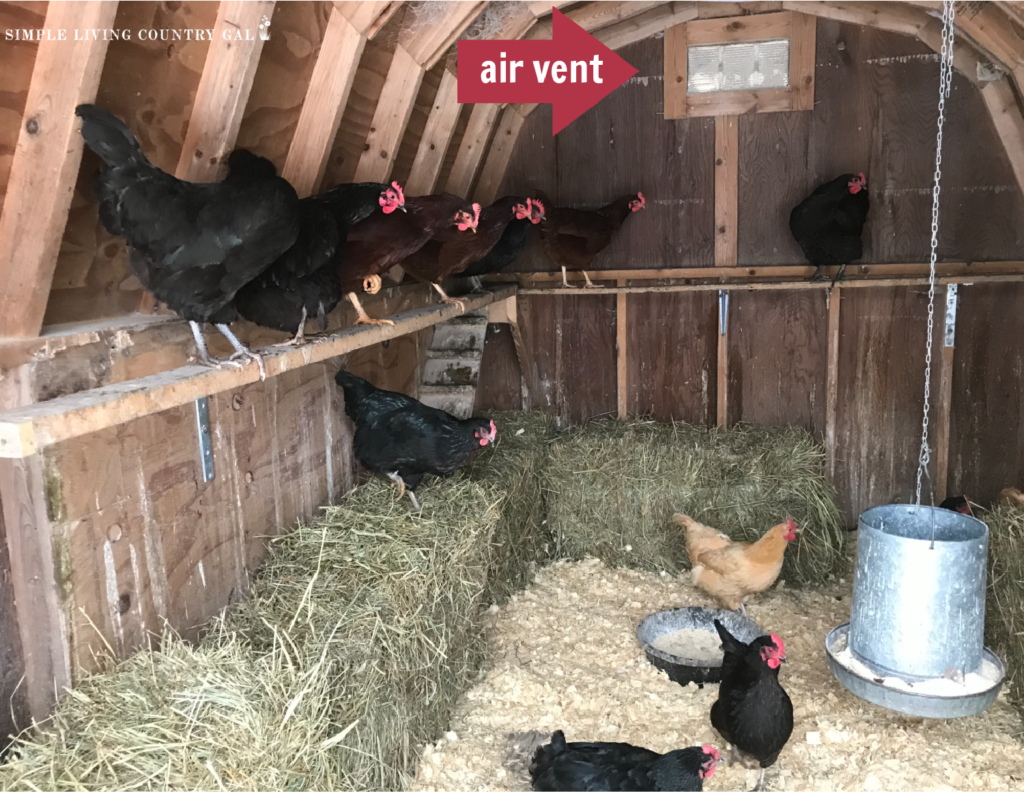
Credit: simplelivingcountrygal.com
Step-by-step Ventilation Installation
Proper ventilation is key to keeping your chicken coop healthy and comfortable. Installing a good ventilation system can seem challenging, but breaking it down into clear steps makes it manageable. Here’s a straightforward guide to help you set up ventilation that works effectively for your flock.
Preparing The Coop
Start by assessing your coop’s current structure. Look for areas where air naturally flows, such as near the roof or walls. Removing any obstacles like clutter or tight corners can improve airflow dramatically.
Next, decide where you want your vents to go. Ideally, vents should be placed high to release hot air and low to bring in fresh air. Take measurements carefully and mark the spots before you begin cutting or drilling.
Installing Vents
Choose vents that fit your coop’s size and climate. Simple mesh-covered openings work well for mild environments. In colder areas, adjustable vents that can be closed in winter are better.
Use a jigsaw or drill to cut openings in the marked spots. Attach the vents securely with screws and seal any gaps with weatherproof caulk. This prevents drafts that could chill your chickens during cold nights.
Setting Up Fans
Fans are especially useful in hot climates or during summer months. Small, battery-operated or solar fans can be mounted near the vents to boost air circulation.
Position fans so they push stale air out and draw fresh air in. Test the airflow by feeling with your hand or using a smoke test. Make sure the fans run quietly to avoid stressing your chickens.
Have you noticed how stagnant air can affect your chickens’ behavior? Adding even one fan can make a noticeable difference in their activity and health.
Maintaining Proper Airflow Year-round
Maintaining proper airflow in your chicken coop throughout the year is crucial for keeping your flock healthy and comfortable. Good ventilation helps control moisture, reduces ammonia buildup, and prevents respiratory issues. It also ensures fresh air circulation without exposing your birds to drafts, which can be tricky as seasons change.
Adjusting For Seasonal Changes
Ventilation needs vary with the seasons. During warmer months, open vents or windows wider to encourage air movement and keep the coop cool. In colder months, reduce the size of openings to retain heat but still allow fresh air to circulate.
Think about adding adjustable vents that you can open or close based on the weather. I found that installing simple sliding vent covers made it easy to respond quickly to temperature changes without disturbing the chickens. Can you spot areas where cold drafts might sneak in during winter? Blocking those while maintaining airflow is key.
Regular Cleaning And Inspection
Airflow can be blocked by dust, feathers, and dirt buildup. Check your vents and fans regularly to keep them clear. A clean coop not only improves ventilation but also reduces the risk of disease.
During my routine coop cleaning, I noticed that clogged vents were causing stale air pockets. Wiping them down and removing debris made a noticeable difference in air quality. How often do you inspect your coop’s ventilation? Setting a schedule can help you catch problems early before your chickens show signs of discomfort.
Common Ventilation Mistakes To Avoid
Poor airflow can cause dampness and ammonia buildup in a chicken coop. Avoid blocking vents and ensure fresh air flows without drafts on the birds. Proper placement and size of openings help keep chickens healthy and comfortable.
Ensuring proper ventilation in your chicken coop is vital for your flock’s health. However, it’s easy to make mistakes that can compromise their environment. Let’s look at some common ventilation mistakes you should avoid for optimal coop conditions.Overventilation In Cold Weather
While keeping fresh air circulating is essential, overventilation during cold months can be detrimental. Excessive airflow can lead to a chilly coop, making it uncomfortable and unhealthy for your chickens. They may struggle to maintain body heat, leading to stress or illness. To avoid this, adjust ventilation openings to control airflow based on the season. A simple sliding window or adjustable vent can make a big difference. Think about how you feel when there’s a drafty window on a cold winter night. Your chickens experience the same discomfort if overventilated.Blocking Airflow With Coop Design
The layout of your coop plays a crucial role in ventilation. A common mistake is designing a coop that inadvertently blocks airflow. Poorly placed walls or overcrowded spaces can impede fresh air circulation. Consider the flow of air as you plan your coop’s layout. Placing vents high up can help, as warm air rises and exits while drawing cooler air in. Reflect on this: Have you ever rearranged furniture only to find it blocks a doorway? The same principle applies to airflow in your coop. By being mindful of these mistakes, you can create a comfortable, healthy environment for your chickens, ensuring their wellbeing throughout the year.
Credit: www.amazon.com
Frequently Asked Questions
How Often Should I Ventilate My Chicken Coop?
Ventilate your chicken coop daily to remove moisture and ammonia. Proper airflow prevents respiratory issues and keeps chickens healthy. Use vents and windows to ensure fresh air circulates without creating drafts.
What Are The Best Ventilation Methods For Chicken Coops?
The best methods include ridge vents, soffit vents, and adjustable windows. These allow natural airflow and control moisture effectively. Combining passive and active ventilation ensures consistent air exchange, promoting a safe environment.
Can Poor Ventilation Harm My Chickens?
Yes, poor ventilation causes respiratory diseases and heat stress. Moist, stale air promotes harmful bacteria growth. Good ventilation reduces odors and maintains a dry, healthy coop environment for your flock.
How To Prevent Drafts While Ventilating A Chicken Coop?
Position vents high and low to create airflow without direct drafts. Use adjustable vents or covers to control airflow during cold months. Proper design balances ventilation and protection from harsh winds.
Conclusion
Good ventilation keeps chickens healthy and happy. Fresh air helps stop moisture and bad smells. It also reduces heat and prevents illness. Simple vents or windows can make a big difference. Regularly check your coop for proper airflow. A well-ventilated coop means stronger chickens and fewer problems.
Small changes can improve your birds’ comfort. Keep the air moving, and your flock will thrive.



