
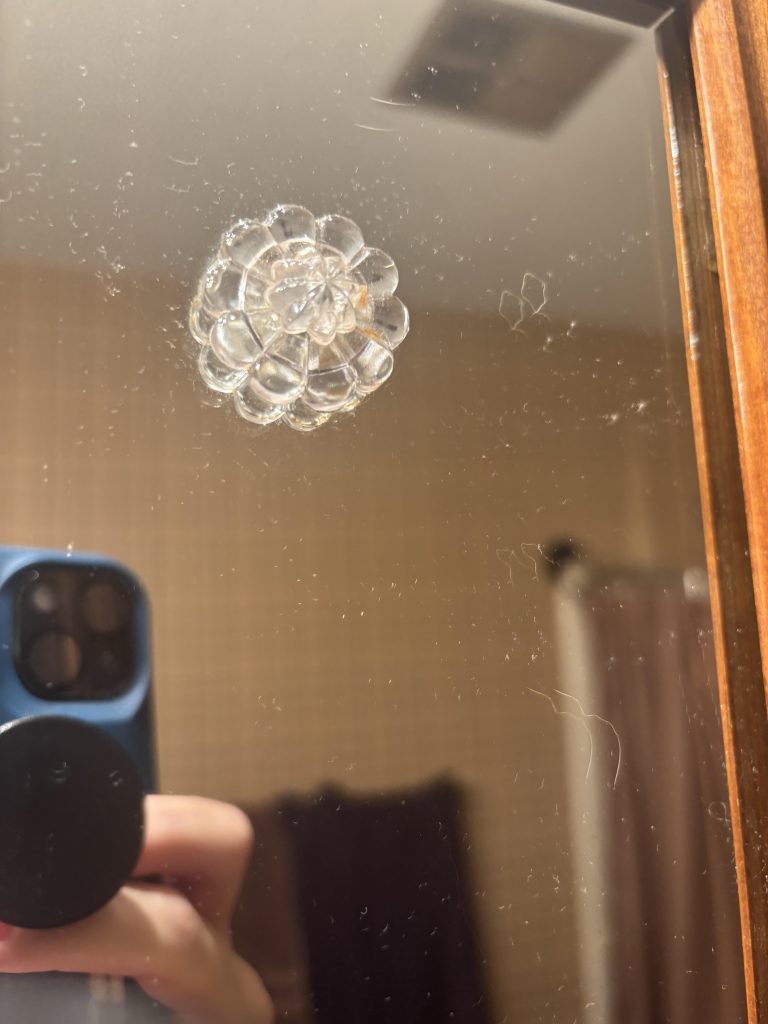
Have you ever stared at a mirror hanging on your wall and wondered how to take it down without damaging your wall or the mirror itself? Whether you’re redecorating, moving, or simply want a change, removing a mirror can feel tricky and even risky.
You might worry about cracked glass, holes in your wall, or messy glue. But don’t worry—this guide will show you simple, safe steps to get that mirror off your wall quickly and cleanly. Keep reading, and you’ll learn how to protect your space and your mirror while making the process smooth and stress-free.
Tools You’ll Need
Removing a mirror from the wall requires the right tools to keep the process safe and smooth. Using proper tools helps avoid damage to the wall or the mirror itself. Some tools are basic and found in most homes. Others come in handy for tougher situations.
Gather Basic Supplies
- Flat-head screwdriver – to pry off clips or frames
- Utility knife – to cut through caulk or paint seal
- Putty knife – to gently separate the mirror from adhesive
- Gloves – to protect your hands from sharp edges
- Drop cloth or blanket – to catch the mirror and protect floors
- Masking tape – to secure mirror cracks in case it breaks
Optional Tools For Stubborn Mirrors
- Heat gun or hair dryer – to soften adhesive or paint
- Wire or fishing line – to cut through strong adhesive behind the mirror
- Putty scraper – for tougher adhesive spots
- Safety goggles – extra protection against glass shards
- Assistants – helpful for lifting heavy or large mirrors safely

Credit: www.youtube.com
Prepare The Area
Clear the space around the mirror to avoid damage or injury. Lay down a drop cloth or old towel to catch any falling debris. Ensure good lighting to see all edges and fasteners clearly.
Removing a mirror from the wall can be a daunting task, but with the right preparation, you can ensure a smooth and safe process. Before diving into the removal, it’s crucial to prepare the area effectively. Ensuring a clean and protected space will make the job easier and prevent unnecessary damage. Let’s explore how to get started.Clear Surrounding Space
Start by removing any furniture or decor near the mirror. This not only gives you ample room to work but also prevents accidental bumps or knocks that could lead to breakage. Consider the last time you had to maneuver in a cramped space. It was frustrating, right? Avoid this hassle by giving yourself plenty of room. Store these items in another room temporarily or neatly against a far wall.Protect Walls And Floor
Before you get to work, think about the surfaces around you. Your walls and floors can suffer if not protected. Use drop cloths or old sheets to cover the floor beneath the mirror. For the walls, painter’s tape is your best friend. Tape around the mirror’s edges to protect the paint or wallpaper from accidental scratches or adhesive residue. A little precaution can save you from costly repairs. Remember, it’s always better to be safe than sorry.Check Mirror Attachment
Before removing a mirror from the wall, check how it is attached. Understanding the attachment helps prevent damage to the mirror and the wall. It also makes the removal process safer and easier.
Identify Mounting Type
Look closely at the edges and back of the mirror. Some mirrors hang on hooks or brackets. Others might be mounted with clips or a frame. Knowing the mounting type guides the removal method.
Sometimes, mirrors are glued directly to the wall. This needs extra care to avoid breaking the glass or damaging paint.
Look For Adhesive Or Screws
Check if the mirror is held by screws or nails. These are often visible around the frame or backing. Use a screwdriver to remove them carefully.
If no screws appear, the mirror may use adhesive strips or glue. Adhesive can be soft or very strong. Use a tool like a putty knife to gently pry the mirror away.

Credit: www.workshop.bunnings.com.au
Remove Mirrors Attached With Screws
Removing mirrors attached with screws requires care and the right approach. These mirrors are usually fixed firmly to the wall, making the removal process a bit tricky. Taking your time helps avoid damage to both the mirror and the wall.
Using the correct tools and following safe handling practices ensures smooth removal. Below are key steps for safely detaching mirrors secured with screws.
Locate And Unscrew Fasteners
Start by finding all screws holding the mirror to the wall. Screws may be visible along the mirror’s edges or hidden under clips. Use a flashlight to spot any hard-to-see fasteners.
Choose a screwdriver that fits the screw heads exactly. Turn screws counterclockwise to loosen them. Keep all screws in a small container to avoid losing them.
Do not force screws if they resist. Apply gentle pressure and try again. If a screw is stuck, use a lubricant to ease removal.
Handle Mirror Carefully
After removing screws, support the mirror firmly with both hands. Mirrors are heavy and fragile. Avoid sudden movements to prevent dropping or cracking.
Place the mirror on a soft surface like a blanket or carpet once off the wall. Use gloves to protect your hands from sharp edges.
Inspect the mirror edges for any remaining adhesive or clips before full removal. Clean the wall gently after the mirror is removed to prepare for any new installation.
Remove Mirrors With Adhesive
Removing mirrors fixed with adhesive requires care and patience. Adhesive bonds can be strong and tricky to break. Using the right approach helps avoid damage to the wall or mirror.
Start by softening the adhesive. This step makes the mirror easier to detach. Then, use proper tools to gently pry the mirror away from the wall. These steps reduce risks and help keep everything intact.
Soften Adhesive Safely
Heat weakens many adhesives. Use a hairdryer or heat gun on low setting. Hold it a few inches from the mirror edge. Move it slowly to warm the adhesive evenly.
Do not overheat the glass. Too much heat can cause cracks. Warm the area for several minutes until the adhesive feels softer. Test by gently pressing the mirror to check for looseness.
Another option is to apply rubbing alcohol or adhesive remover. Dab it carefully around the edges. Let it sit to break down the glue. Avoid harsh chemicals that may damage the wall paint.
Use Proper Tools To Pry Mirror
Choose tools designed for gentle prying. A plastic putty knife or a flat paint scraper works well. Avoid metal tools that can scratch or break the glass.
Insert the tool slowly between the mirror and wall. Wiggle it carefully to create a small gap. Work the tool around the edges bit by bit. Keep applying heat or adhesive remover if the mirror resists.
Ask for help if the mirror is large or heavy. Support the mirror while prying to prevent falls. Once loose, lift it straight off the wall with steady hands.
Dealing With Stubborn Adhesive
Stubborn adhesive can make removing a mirror from the wall difficult. The glue often holds the mirror tightly, risking damage to the wall or the mirror itself. Patience and care help avoid scratches or holes during removal.
Using the right approach softens the adhesive, making the process smoother. Below are effective ways to deal with tough glue without harming your surfaces.
Apply Heat Techniques
Heat softens most adhesives, making them easier to remove. Use a hairdryer or heat gun on low settings. Hold it a few inches from the adhesive area.
Move the heat source slowly over the glue to avoid overheating. Warm the adhesive for several minutes. This loosens the glue’s grip on the wall.
Once heated, gently try to lift the mirror. Use a plastic scraper or old credit card to pry it off carefully. Heat may need repeating if the adhesive is thick.
Use Solvents Cautiously
Solvents help break down adhesive bonds but must be used with care. Choose a solvent safe for your wall type, like rubbing alcohol or adhesive remover.
Test the solvent on a small hidden area first. This prevents damage or discoloration. Apply the solvent with a cotton ball or cloth directly on the glue.
Allow the solvent to sit for a few minutes to soften the adhesive. Gently scrape the glue away with a plastic tool. Avoid metal tools that can scratch surfaces.
Work slowly and add more solvent if needed. Clean the area with warm soapy water after removing all adhesive residues.
Clean Up Residue
After removing a mirror from the wall, residue often remains. This leftover material can be sticky or flaky. Cleaning it up helps prepare the wall for painting or hanging another item. A clean surface also improves the overall look of the room.
Remove Leftover Adhesive
Begin by softening the adhesive with heat. Use a hairdryer to warm the sticky areas for a few minutes. This makes it easier to scrape off without damaging the wall.
Use a plastic scraper or an old credit card to gently lift the residue. Avoid metal tools that may scratch the surface. Work slowly and carefully to remove as much as possible.
For stubborn adhesive, apply a small amount of rubbing alcohol or adhesive remover on a cloth. Dab the residue and let it sit for a few minutes. Then wipe or scrape it away. Test any chemical on a small wall spot first.
Restore Wall Surface
After removing the adhesive, some spots might look rough or uneven. Lightly sand these areas with fine-grit sandpaper to smooth the surface. Wipe the dust away with a damp cloth.
Fill holes or cracks with spackle or wall filler. Use a putty knife to apply it evenly. Let it dry completely, then sand smooth again.
Prime the wall before repainting or rehanging. This step seals the surface and ensures a uniform finish. Proper restoration keeps your wall looking fresh and clean.

Credit: www.amazon.com
Safety Tips
Removing a mirror from the wall requires care to avoid injuries or damage. Following safety tips helps keep the process smooth and safe. Prepare yourself and the area before starting the removal.
Wear Protective Gear
Always wear safety glasses to protect your eyes from glass shards. Use thick gloves to shield your hands from sharp edges. Long sleeves and pants help prevent cuts and scratches. Proper footwear reduces the risk of foot injuries from falling objects.
Work With A Partner
Having a partner makes the job safer and easier. One person can hold the mirror steady while the other removes it. Partners help watch for hazards and give quick help if needed. Coordinating actions prevents accidents and damage to the mirror.
Frequently Asked Questions
How Do I Safely Remove A Mirror From The Wall?
Start by loosening any screws or clips holding the mirror. Use a flat tool to gently pry off adhesive strips. Always wear gloves to protect your hands from broken glass.
What Tools Are Needed To Take Down A Wall Mirror?
You typically need a screwdriver, utility knife, and putty knife. Gloves and safety goggles are also important for protection. These tools help safely detach the mirror without damage.
Can I Remove A Mirror Glued Directly To The Wall?
Yes, but carefully. Use a hairdryer to soften the adhesive. Then, gently pry the mirror off with a putty knife. Avoid forcing it to prevent wall damage.
How To Prevent Wall Damage When Removing Mirrors?
Work slowly and use proper tools like a putty knife. Soften adhesives with heat if needed. Fill any holes or marks with spackle and repaint afterward.
Conclusion
Removing a mirror from the wall is easier than it seems. Use the right tools and take your time. Always protect your hands and the mirror’s surface. Avoid rushing to prevent damage or injury. Follow the steps carefully for a smooth process.
Now, you can change or clean your mirror safely. Keep these tips handy for future use. Simple actions lead to great results.



