
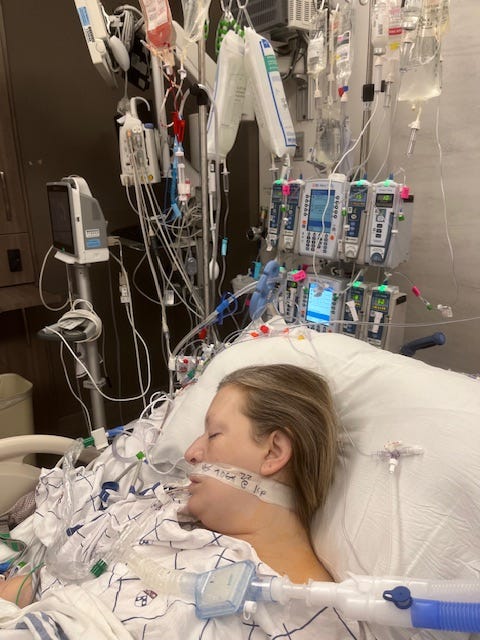
Have you ever wondered how long someone can stay on a ventilator before it becomes risky? If you or a loved one is facing this situation, you probably have many questions and concerns.
Knowing when time on a ventilator is too long can make a big difference in understanding the risks and what to expect next. This article will guide you through the facts, helping you feel more confident and prepared. Keep reading to learn what you need to know about ventilator use and how it affects recovery.
Ventilator Basics
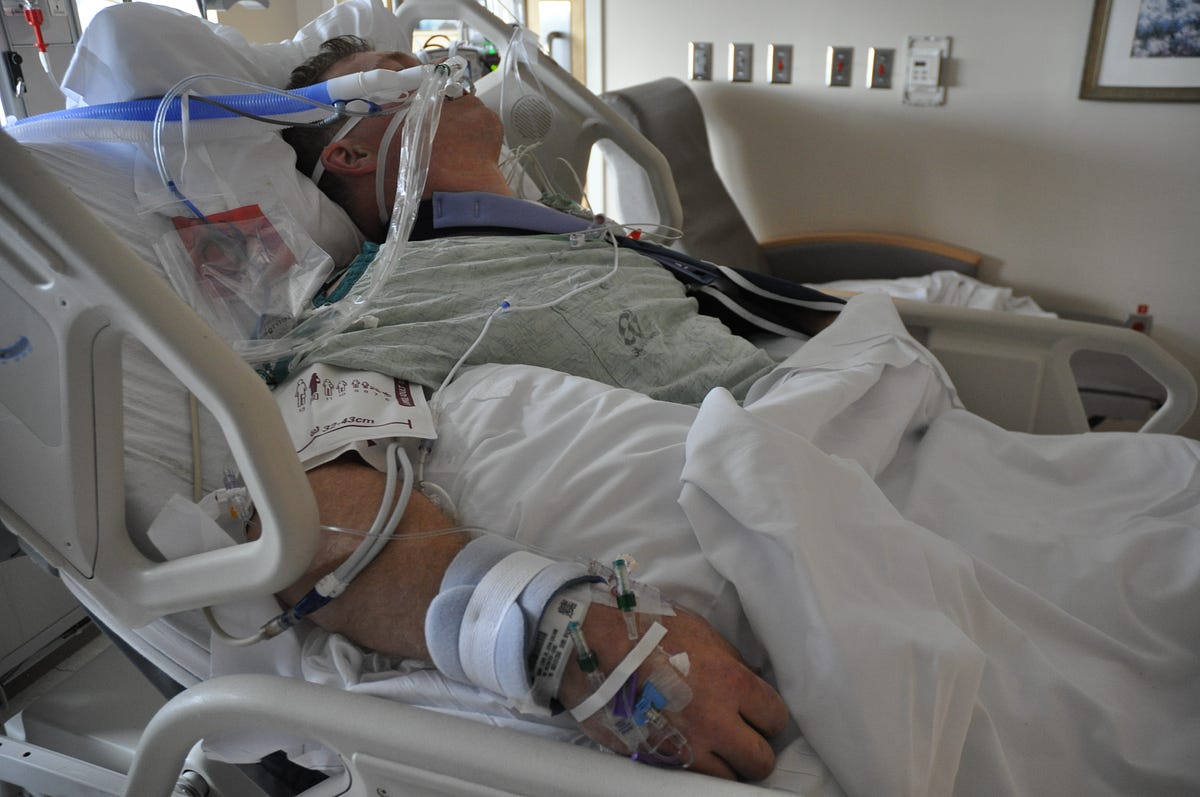
Understanding ventilators helps to grasp how they support breathing. These machines assist patients who cannot breathe well on their own. Ventilators deliver air or oxygen to the lungs. They play a crucial role in intensive care units and emergency situations.
Purpose And Function
Ventilators help patients breathe by moving air in and out of the lungs. They support people with lung diseases, injuries, or during surgery. The machine controls the amount and pressure of air delivered. It also removes carbon dioxide from the body. Ventilators ensure the patient’s organs get enough oxygen to work properly.
Types Of Ventilators
There are several types of ventilators, each serving different needs. Some common types include:
- Invasive Ventilators:Use a tube inserted into the windpipe to provide air directly to the lungs.
- Non-Invasive Ventilators:Use masks or mouthpieces to deliver air without tubes in the windpipe.
- Portable Ventilators:Lightweight and used for transport or home care.
- ICU Ventilators:Advanced machines with precise control, used in intensive care.
Each type has specific features to meet patient needs and treatment goals.
Credit: medium.com
Duration Factors
The time a patient spends on a ventilator depends on many factors. These factors affect how long the breathing machine is needed. Understanding these helps doctors make the best decisions for care.
Patient Condition
Each patient’s health plays a big role in ventilator duration. Patients with weak muscles or poor lung function may need longer support. Age also matters; older patients often take more time to recover. Mental alertness and ability to breathe on their own affect the process too.
Underlying Illness
The illness causing breathing problems impacts ventilator time. Diseases like pneumonia or lung injury may require weeks of support. Chronic conditions such as COPD or heart failure can extend ventilation needs. Recovery speed depends on how serious the illness is and how well it responds to treatment.
Ventilator Settings
How the ventilator is set influences duration. Settings adjust the amount of air and oxygen given. Doctors aim to use the lowest support needed to help the patient. Too much support can weaken breathing muscles. Careful adjustment helps patients regain natural breathing faster.
Risks Of Prolonged Ventilation
Prolonged use of a ventilator can lead to lung damage and infections. Staying too long on a ventilator may weaken breathing muscles and cause complications. Doctors carefully monitor patients to decide the safest time to stop ventilation.
Prolonged ventilation can be a necessary intervention for many patients, but it doesn’t come without risks. As you or your loved ones navigate the complexities of long-term care, understanding these risks can help make informed decisions. Here, we explore some significant concerns associated with extended time on a ventilator.Infections
Extended time on a ventilator increases the risk of infections, particularly ventilator-associated pneumonia (VAP). The tube that helps you breathe can also become a conduit for germs. Hospitals take measures to prevent infections, but awareness and vigilance are key. Have you considered asking about the infection control practices in place?Lung Damage
Being on a ventilator for too long can also cause lung damage. The pressure and volume from the machine, while life-saving, can strain delicate lung tissues. It’s a delicate balance to maintain adequate oxygenation while minimizing harm. If you or a loved one is in this situation, discussing lung-protective strategies with the healthcare team can be crucial.Muscle Weakness
Muscle weakness is another challenge with prolonged ventilation. When your muscles aren’t used, they can quickly weaken, including those involved in breathing. Physical therapy and early mobility are often essential components of care. Are you aware of the rehabilitation plans available to support recovery during and after ventilation? Understanding these risks empowers you to be an active participant in the care process, advocating for the best outcomes possible. What steps will you take to ensure the well-being of yourself or your loved one during this critical time?
Credit: www.apexhospitals.com
Signs To Watch
Knowing the signs to watch while a patient is on a ventilator is crucial. These signs help caregivers and medical staff decide if the ventilator support is still appropriate. Early detection of issues can prevent complications and improve patient outcomes.
Changes In Breathing Patterns
Watch for irregular breathing or sudden changes. Breaths that become shallow or too fast may signal distress. Long pauses between breaths can also indicate a problem. These changes might mean the patient is struggling to breathe independently.
Vital Sign Fluctuations
Keep an eye on heart rate, blood pressure, and oxygen levels. Sudden rises or drops can be warning signs. Low oxygen levels or irregular heartbeats require immediate attention. Vital sign instability often points to complications from prolonged ventilation.
Patient Discomfort
Look for signs of pain or agitation. Restlessness, grimacing, or crying may show discomfort. Patients may also try to remove tubes or masks. Discomfort can indicate the need to adjust ventilator settings or consider weaning off support.
Weaning Indicators
Knowing when to start weaning someone off a ventilator is a crucial part of recovery. Certain signs, called weaning indicators, help doctors decide if the patient is ready to breathe on their own. These indicators focus on the patient’s breathing strength, oxygen levels, and mental state.
Respiratory Strength
Your breathing muscles need to be strong enough to handle the work without the ventilator. Doctors often check how well your diaphragm and other muscles can pull in air. If you can take deep breaths and cough effectively, that’s a good sign your respiratory strength is improving.
Have you ever tried to hold your breath for too long? It gets harder because your muscles tire quickly. This is why measuring respiratory strength helps predict if you can manage breathing independently.
Oxygen Levels
Oxygen is the fuel your body needs to function properly. Your blood oxygen levels must stay within a safe range even when the ventilator support is reduced. If oxygen levels drop too low, it means your lungs aren’t ready to take over fully yet.
Doctors use tools like pulse oximeters to monitor these levels continuously. Seeing stable oxygen saturation above 90% without extra help often signals readiness for weaning.
Mental Alertness
Your brain plays a key role in controlling your breathing. If you are awake, alert, and able to follow simple commands, it’s easier to coordinate your breathing efforts. Mental alertness also means you can protect your airway by coughing and clearing secretions.
Imagine trying to breathe deeply while feeling confused or sleepy—it would be much harder. That’s why doctors pay close attention to your mental state before deciding to reduce ventilator support.
Credit: www.theglobeandmail.com
Care Team Role
The care team plays a key role in managing patients on a ventilator. Their work helps decide how long a patient should stay on the machine. The team includes doctors, nurses, respiratory therapists, and other specialists. They watch the patient’s progress and adjust care to avoid harm. Clear communication and careful monitoring guide the treatment process.
Monitoring Protocols
Care teams follow strict monitoring protocols to track patient health. They check vital signs like oxygen levels and breathing patterns. Equipment settings are adjusted based on these readings. Regular assessments help detect early signs of complications. This helps prevent long-term damage from extended ventilator use.
Communication With Family
Keeping the family informed is a vital part of care. Teams explain the patient’s condition in simple language. They discuss treatment options and possible outcomes. Families can ask questions and share their concerns. This builds trust and supports decision-making during tough times.
Adjusting Treatment
The care team changes treatment based on patient response. They try to reduce ventilator support when possible. Weaning plans are personalized for each patient. The goal is to help patients breathe on their own again. Team members work together to ensure safe transitions.
Frequently Asked Questions
How Long Can Someone Stay On A Ventilator Safely?
Most patients can safely remain on a ventilator for days to weeks. Prolonged use increases risks like infections and lung damage. Doctors aim to minimize ventilator time while ensuring adequate breathing support.
What Are The Risks Of Long-term Ventilator Use?
Long-term ventilator use can cause lung injury, infections, and muscle weakness. It may also lead to psychological stress. Careful monitoring and timely weaning reduce these risks significantly.
When Is Ventilator Support Considered Too Long?
Ventilator support is often considered too long after several weeks without improvement. Each patient’s condition varies, but extended use raises complications and lowers recovery chances.
How Do Doctors Decide To Wean Off A Ventilator?
Doctors assess lung function, oxygen levels, and overall health to decide weaning. They gradually reduce ventilator support when patients show breathing strength and stability.
Conclusion
Staying on a ventilator too long can cause health risks. Doctors watch patients closely to decide the right time to stop. Each case is different and depends on many factors. Family support helps patients recover better and faster. Understanding ventilator use helps reduce fear and confusion.
Always ask healthcare providers questions about care and plans. Careful monitoring ensures patients get the help they need. Ventilators save lives but must be used wisely and briefly.



