
Hanging a heavy mirror on your wall can feel tricky and even risky. You want it to look great, but you also need it to stay safe and secure.
If you’re worried about your mirror falling or damaging your wall, you’re not alone. The good news is, with the right steps, you can hang your heavy mirror confidently and keep it steady for years to come. Keep reading, and you’ll learn simple, clear tips that make the whole process easier than you think.
Your walls—and your mirror—will thank you.
Choosing The Right Wall
Choosing the right wall is essential for safely hanging a heavy mirror. The wall must support the mirror’s weight without damage or risk of falling. Different walls have different strengths and require specific mounting methods. Understanding your wall type helps ensure a secure installation.
Assessing Wall Material
Identify the wall material before mounting the mirror. Common wall types include drywall, plaster, concrete, and brick. Drywall is the most common but may need extra support for heavy items. Concrete and brick walls offer strong support but require special tools for drilling. Plaster walls are fragile and need careful handling to avoid cracks.
Locating Studs And Supports
Studs provide the strongest support for heavy mirrors. Use a stud finder to locate wooden or metal studs behind drywall or plaster. Studs are usually spaced 16 to 24 inches apart. Mounting directly into studs reduces the risk of the mirror falling. If studs are not available where you want to hang the mirror, use strong wall anchors designed for heavy loads.

Credit: www.amazon.ca
Selecting Proper Hardware
Choosing strong anchors and screws designed for heavy loads ensures the mirror stays secure. Match hardware to your wall type, like studs or drywall, for safe mounting. Proper tools and quality materials prevent accidents and keep your mirror steady.
Selecting the right hardware is crucial for hanging a heavy mirror. It’s not just about choosing a nail and hammer. The wrong choice can lead to accidents and damage. Understanding the types of anchors and screws is essential. You also need to consider the mirror’s weight capacity. Proper hardware ensures safety and stability. Let’s explore these components in detail.Types Of Anchors And Screws
Different walls require different anchors. Drywall, plaster, and brick need specific types. Plastic wall anchors work well for lighter mirrors. For heavier mirrors, use toggle bolts or molly bolts. Screws should be long enough to penetrate the wall. Stainless steel screws offer durability and strength. Ensure the screws match the anchors for a secure fit.Weight Capacity Considerations
Check the mirror’s weight before selecting hardware. Anchors have weight limits, so pick accordingly. Use a bathroom scale to weigh the mirror if needed. Always choose hardware that supports more than the mirror’s weight. Overestimate for added safety. This prevents accidents and ensures peace of mind.Preparing The Mirror
Preparing your heavy mirror before hanging it is a crucial step that can save you from future headaches. Taking time to properly attach hardware and measure placement ensures your mirror stays secure and looks great on your wall. Skipping these details can lead to damage or accidents, so let’s make sure you get it right from the start.
Attaching Hanging Brackets
Start by selecting strong hanging brackets designed for heavy mirrors. These brackets provide the support needed to hold the mirror’s weight safely.
Use a tape measure to find the center on the back of the mirror. Mark where you’ll place the brackets, ideally about one-third down from the top edge to balance the weight effectively.
Secure the brackets with screws that fit the mirror frame material—wood screws for wooden frames and appropriate anchors for metal or composite frames. Double-check that the brackets are tightly attached and don’t wiggle.
Measuring For Placement
Accurate measurements on the wall prevent guesswork and uneven hanging. Measure the width and height of your mirror, then decide where you want it to hang.
Mark the wall where the hanging brackets will meet it. Use a level to ensure these marks are perfectly horizontal—your mirror will thank you for this precision.
Consider what’s around the mirror: lighting, furniture, and room flow all affect the best placement. Will the mirror catch natural light? Will it reflect a beautiful view or an awkward corner? Think about these details before drilling holes.
Marking And Drilling
Marking and drilling are key steps for securing a heavy mirror to a wall. Precise marking ensures the mirror hangs straight and safely. Drilling must be done carefully to avoid wall damage and guarantee strong support. Both steps require attention and the right tools.
Accurate Measurement Techniques
Use a tape measure to find the mirror’s exact width and height. Mark the center point on the wall where you want the mirror to hang. Measure the distance between the mirror’s hanging brackets or wire ends. Transfer these points to the wall with a pencil. Use a level to check that the marks are perfectly horizontal. Double-check all measurements before drilling.
Safe Drilling Practices
Select the correct drill bit size for your wall anchors or screws. Wear safety goggles to protect your eyes from dust and debris. Use a stud finder to locate studs behind the wall for extra support. Drill slowly to avoid cracking or damaging the wall. Keep the drill steady and perpendicular to the surface. Clean out dust from holes before inserting anchors or screws.
Installing The Hardware
Installing the hardware is a key step in securing a heavy mirror to the wall. It ensures the mirror stays firmly in place and prevents accidents. Careful installation also protects your wall from damage. Follow precise steps to set the anchors and screws correctly.
Securing Anchors And Screws
Start by choosing anchors that fit your wall type. Drywall anchors work well for hollow walls. For solid walls, use masonry anchors or screws into studs. Drill pilot holes to make insertion easier.
- Insert anchors flush with the wall surface.
- Use screws that match the size of the anchors.
- Tighten screws firmly but avoid overtightening.
The screws must hold the mirror’s weight securely. Check the hardware packaging for weight limits. Use a level to keep screws aligned horizontally.
Double-checking Stability
After installing hardware, test stability before hanging the mirror. Gently pull on the anchor points. The screws should not move or loosen.
- Hang the mirror carefully.
- Observe for any wobbling or shifting.
- Adjust screws if needed for a tighter fit.
Repeat checks after a few days to ensure long-term safety. Proper hardware installation keeps your mirror safe and your wall intact.
Hanging The Mirror Safely
Hanging a heavy mirror safely requires careful planning and the right techniques. Proper handling prevents accidents and damage. Every step matters to secure the mirror firmly on the wall. Focus on safe lifting and precise final adjustments. These steps ensure the mirror stays in place and looks perfect.
Lifting Techniques
Heavy mirrors need strong, steady lifting. Use both hands to hold the mirror evenly. Keep the mirror close to your body to reduce strain. Bend your knees, not your back, while lifting. Avoid sudden movements or twisting. Ask for help if the mirror is too heavy. Use gloves for a better grip and to protect your hands. Take small, careful steps when moving the mirror to the wall.
Final Adjustments
Check the mirror’s position before securing it fully. Use a level to ensure it hangs straight. Adjust the hooks or brackets slightly for perfect alignment. Tighten screws or fasteners without overdoing it. Gently press the mirror against the wall to confirm stability. Step back and view the mirror from different angles. Make small changes until the mirror sits flush and secure. Confirm the mirror does not wobble or lean.
Maintenance And Safety Tips
Keeping a heavy mirror safe on the wall requires regular care and attention. Proper maintenance helps avoid accidents and keeps the mirror secure for years. Follow these simple tips to maintain stability and prevent mishaps.
Regular Stability Checks
Check the mirror’s mounting points often. Look for loose screws or hooks. Tighten them as soon as you notice any movement. Inspect the wall anchors for signs of damage or wear. Make sure the mirror hangs straight without tilting. Small shifts can mean the hardware is weakening.
Use a level tool to confirm the mirror stays even. Test the frame gently by pressing on different spots. If you feel any wobble, fix the problem immediately. Regular checks reduce the risk of the mirror falling unexpectedly.
Preventing Accidents
- Keep the area below the mirror clear of furniture or sharp objects.
- Place the mirror away from high-traffic zones to avoid bumps.
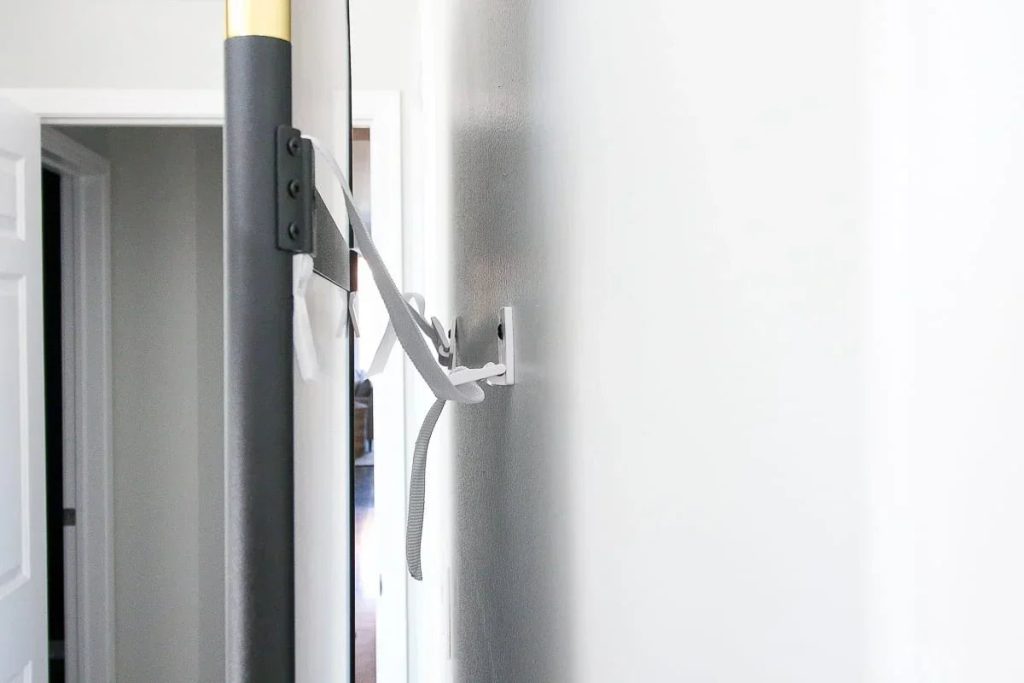
- Use safety straps or chains for extra support on very heavy mirrors.
- Avoid hanging mirrors on weak or damaged walls.
- Warn children not to play near the mirror.
These steps reduce the chance of injury or damage. Safety is key when handling heavy wall decorations. A secure mirror means peace of mind for everyone in your home.

Credit: www.thisoldhouse.com

Credit: www.wikihow.com
Frequently Asked Questions
How Do I Choose The Right Wall Anchors For Heavy Mirrors?
Select wall anchors rated for your mirror’s weight. Use toggle bolts for drywall and masonry anchors for brick or concrete walls. Proper anchors ensure strong support and prevent damage or accidents.
What Tools Are Needed To Hang A Heavy Mirror Securely?
You need a drill, level, tape measure, stud finder, screwdriver, and appropriate wall anchors. These tools help you mount the mirror safely and accurately on the wall.
Can I Hang A Heavy Mirror Without Studs?
Yes, use heavy-duty wall anchors like toggle bolts or molly bolts. These distribute weight evenly and provide strong support without needing studs.
How High Should I Hang A Heavy Mirror On The Wall?
Position the mirror so its center is at eye level, generally 57-60 inches from the floor. This height offers the best viewing angle and complements room decor.
Conclusion
Securing a heavy mirror to the wall needs care and the right tools. Use strong anchors and screws to hold the weight safely. Measure and mark spots carefully before drilling. Check the mirror’s stability after hanging it. Taking these steps keeps your mirror secure and your home safe.
A well-hung mirror also adds style and light to any room. Simple actions make a big difference in safety and appearance. Trust your skills and take your time for the best results.



