
Have you ever walked into your home and immediately noticed a stuffy, stale smell? That feeling of heavy air can make your space feel uncomfortable and even affect your mood.
Knowing how to air out your house properly can change everything—bringing fresh energy, improving air quality, and making your home a healthier place to be. You’ll discover simple, effective steps to refresh your rooms quickly and keep the air clean.
Ready to breathe easier and enjoy a fresher home? Keep reading to learn how.
Benefits Of Airing Out Your Home
Airing out your home does more than just freshen the space. It actively improves the air you breathe and can even impact your health and mood. Understanding these benefits can motivate you to open those windows more often.
Improves Indoor Air Quality
Opening windows lets fresh air replace stale, trapped air inside. This reduces indoor pollutants like dust, pet dander, and chemical fumes. Imagine how much better it feels to breathe in fresh air rather than recycled, dusty air.
Have you noticed how a stuffy room feels heavier and harder to focus in? That’s poor air quality at work. Regular airing helps keep your living spaces cleaner and more comfortable.
Reduces Mold And Moisture
Moisture buildup can cause mold, which harms your health and damages your home. By airing out your home, you lower humidity levels that mold loves to thrive in. Even a short daily airing can prevent long-term problems.
I once ignored airing out a bathroom after showers, and soon found mold growing in corners. Fixing that taught me the importance of letting fresh air circulate, especially in humid areas.
Boosts Mental Well-being
Fresh air can lift your mood and reduce stress. When you open windows, you invite natural light and outdoor sounds inside, creating a calming environment. This small act can make a noticeable difference in how you feel.
Think about the last time you opened a window on a sunny day—didn’t it instantly brighten your mood? That simple change can help you feel more relaxed and energized throughout the day.
Helps Control Odors
Cooking smells, pet odors, and other unwanted scents can build up indoors. Ventilation clears these smells quickly, leaving your home smelling clean and inviting. You don’t need expensive air fresheners to achieve fresh air.
Have you ever left a window open after cooking and noticed the difference? That quick airing out removes lingering smells that can make your home less pleasant.

Credit: shop.solatube.com
Best Times To Air Out Your House
Choosing the best times to air out your house helps improve air quality quickly. Fresh air removes stale odors and reduces indoor pollutants. Timing matters to avoid outdoor pollution or extreme weather.
Opening windows at the right time lets cool, clean air flow inside. It also helps control humidity and prevents mold growth. Here are the ideal moments to refresh your home air.
Early Morning Hours
Air is usually cleanest early in the morning. Cooler temperatures and less traffic mean fewer pollutants outside. Opening windows between 6 a.m. and 9 a.m. brings fresh air inside.
This time also feels calm and quiet. Morning airing helps start the day with a fresh, healthy space.
Late Afternoon Or Early Evening
Late afternoon, around 4 p.m. to 6 p.m., is another good time. Outdoor air cools down and dust settles by then. Airing out your home now refreshes the air before nighttime.
This period avoids midday heat and strong sunlight. It keeps your house cooler and more comfortable.
After Rainfall
Rain clears dust and pollution from the air. Opening windows after rain brings fresh, clean air inside. Moisture levels are often balanced, which helps with dryness indoors.
Wait until rain stops and puddles dry slightly before airing. This prevents dampness and keeps your home fresh.
During Low Traffic Periods
Traffic increases pollution near homes. Opening windows during low traffic times reduces exposure to fumes. Weekends or holidays often have less road activity.
Choose times when nearby roads are quiet. This improves the quality of air entering your house.
Essential Tools For Ventilation
Proper ventilation keeps your home fresh and healthy. To air out a house well, specific tools help move stale air out and bring fresh air in. Using the right tools makes the process faster and easier.
These tools improve airflow and reduce indoor pollutants. They also help control humidity and prevent mold growth. Here are the essential tools needed for effective ventilation.
Window Fans
Window fans fit into open windows to push air in or pull stale air out. They are easy to install and work well in rooms that need quick airflow. Many models offer reversible airflow for flexibility.
Exhaust Fans
Exhaust fans remove moist or polluted air from kitchens and bathrooms. They help reduce odors and keep these areas dry. Installing exhaust fans in key spots improves overall air quality.
Air Purifiers
Air purifiers filter dust, pollen, and other particles from indoor air. They complement ventilation by cleaning the air inside your home. Choose models with HEPA filters for the best results.
Ceiling Fans
Ceiling fans circulate air within rooms, promoting even temperature and airflow. They help move fresh air from open windows throughout the house. Running fans on low speed aids gentle ventilation.
Door Vents And Grilles
Door vents and grilles allow air to flow between rooms. They help maintain balanced ventilation and prevent air from becoming stagnant. Installing these can improve whole-house airflow.
Dehumidifiers
Dehumidifiers reduce excess moisture in the air. Lower humidity prevents mold and makes ventilation more effective. Use them in damp areas to keep your home comfortable and dry.

Credit: www.youtube.com
Step-by-step Airing Techniques
Airing out your house properly can transform the indoor atmosphere and improve air quality significantly. It’s more than just opening a window; it’s about using smart techniques to let fresh air flow through every corner. These simple but effective steps will help you feel the difference instantly.
Opening Windows And Doors
Start by opening windows and doors on opposite sides of your home. This creates a natural path for air to enter and exit. Don’t just open one window—try to open multiple points to encourage better airflow.
Think about the rooms you use most. Opening windows there first can help push stale air out quickly. I once opened every window during a spring morning and noticed how fresh the house felt within minutes—almost like nature’s reset button.
Using Fans Effectively
Fans are your best friends when airing out a house. Place a fan near an open window facing outward to push stale air outside. Meanwhile, another fan inside can pull fresh air in through other openings.
Try to avoid just blowing air around the same room. Instead, position fans to create a flow that moves air through and out of your home. Ever felt that satisfying breeze when a fan pulls fresh air in? It’s a simple trick that changes everything.
Creating Cross-ventilation
Cross-ventilation happens when air flows from one side of a room or house to the other. Open windows or doors on opposite sides to let fresh air enter and stale air exit simultaneously.
If your home layout doesn’t allow for direct airflow, use fans to guide air along a specific path. You might be surprised how even a small adjustment in window openings can improve air movement. What small change can you make right now to boost your home’s airflow?
Dealing With Humidity And Odors
Improving indoor air quality helps reduce humidity and odors. Open windows to let fresh air circulate throughout the rooms. Use fans to enhance airflow and consider using a dehumidifier to maintain a comfortable environment.
Dealing with humidity and odors can be a challenge in any home. Excess moisture often leads to unpleasant smells and discomfort. Proper ventilation is key, but sometimes it’s not enough. Finding effective ways to manage indoor humidity and eliminate odors improves air quality. This creates a more pleasant living environment.Natural Dehumidifiers
Natural dehumidifiers help in controlling moisture without using electricity. They are cost-effective and eco-friendly. One option is placing bowls of rock salt around the house. Rock salt absorbs moisture from the air. Bamboo charcoal bags are another great choice. They not only reduce humidity but also neutralize odors. Houseplants like Boston ferns and peace lilies also absorb moisture. They improve air quality while adding a touch of greenery.Eliminating Stale Smells
Stale smells can make a house feel unwelcoming. Fresh air circulation is crucial for removing these odors. Open windows and doors whenever possible to let fresh air in. Baking soda is excellent for absorbing smells. Sprinkle it on carpets and furniture, then vacuum after a few hours. White vinegar can neutralize odors in the kitchen. Place a bowl of vinegar on the counter to clear smells. Essential oils add a pleasant scent to the air. Use a diffuser with oils like lemon or lavender for a fresh aroma.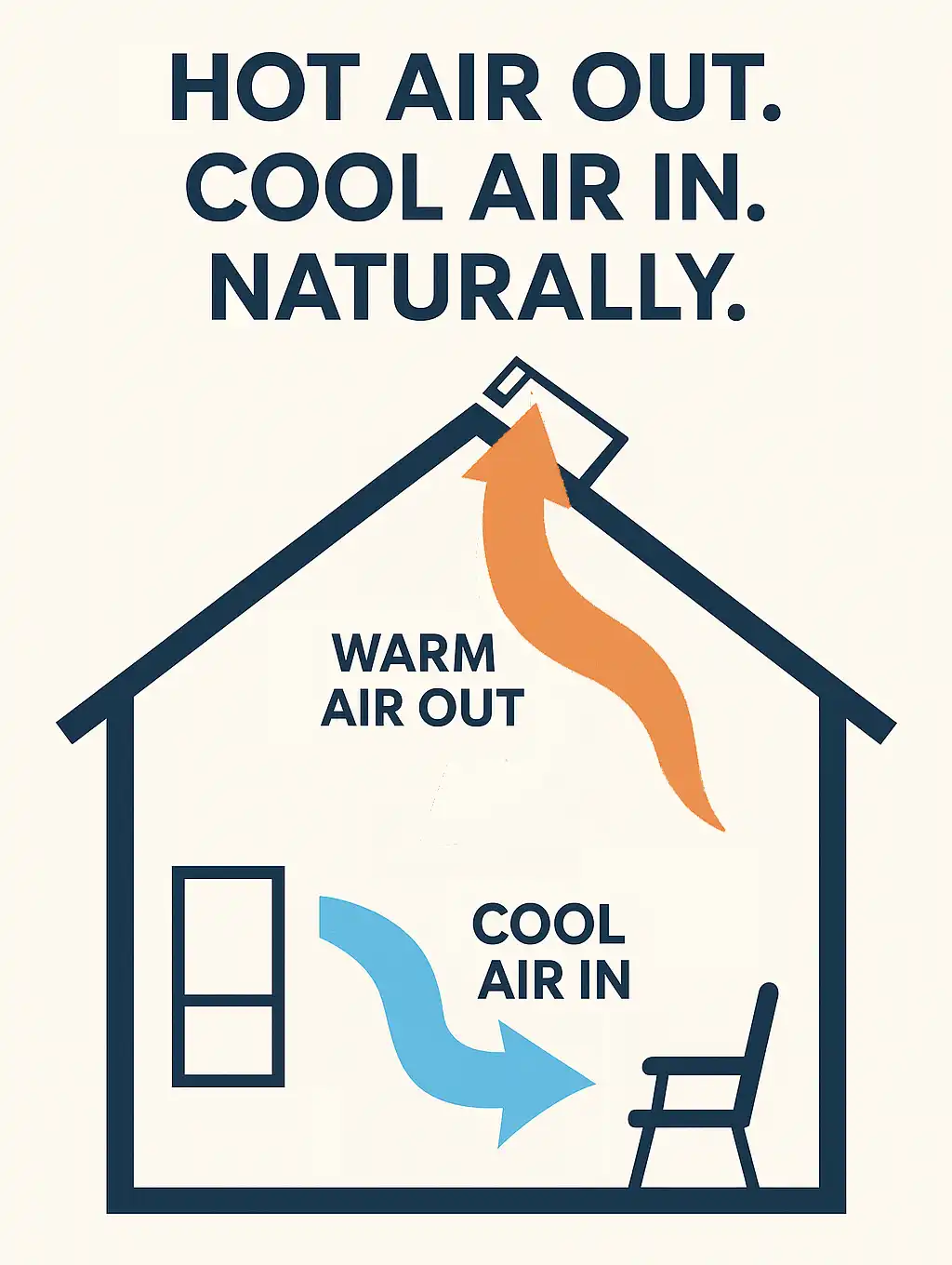
Credit: www.firststarexteriors.com
Maintaining Fresh Air Year-round
Maintaining fresh air in your home throughout the year improves health and comfort. Proper ventilation helps reduce indoor pollutants and moisture. It also prevents stale odors and keeps the atmosphere lively. You can achieve this by adjusting your airing habits with the seasons and adding natural air purifiers.
Seasonal Ventilation Tips
Air your house differently in each season for best results. In spring and fall, open windows wide to allow fresh air to circulate. Use cross-ventilation by opening windows on opposite sides of the room. During summer, ventilate early in the morning or late at night when temperatures are cooler. Avoid opening windows during hot afternoons to keep heat out.
Winter calls for short, frequent airing sessions. Open windows for 5 to 10 minutes to let fresh air in without losing too much heat. Use extractor fans in kitchens and bathrooms to remove moisture and odors. Adjust window openings based on wind direction to maximize airflow.
Indoor Plant Choices
Indoor plants improve air quality by absorbing toxins and releasing oxygen. Choose easy-care plants that thrive indoors and need low light. Snake plants, spider plants, and pothos are popular air-purifying options. Place plants in living areas, kitchens, or bedrooms to boost freshness.
Avoid plants that require frequent watering to prevent mold growth. Keep leaves clean to help plants breathe well. Group plants together to create a natural air filter. These green companions add beauty and improve indoor air quality effectively.
Common Mistakes To Avoid When Airing Out
Airing out your house seems simple, but many people unknowingly make mistakes that reduce its effectiveness. These errors can keep stale air trapped inside or even introduce new problems. Understanding what to avoid can save you time and ensure your home feels fresh and healthy.
Opening Windows Without Considering Wind Direction
Simply opening all windows might seem like the best way to air out your home. However, if you don’t pay attention to the wind direction, fresh air won’t circulate properly. Try opening windows on opposite sides of your home to create a natural cross breeze that pushes stale air out.
Leaving Windows Open Too Long
It’s tempting to leave windows open all day, but this can backfire. If the outside air is very humid, polluted, or cold, it can make your indoor environment uncomfortable or even damage your belongings. Open windows for about 15-30 minutes—long enough to exchange the air, but not so long that it causes problems.
Ignoring Indoor Airflow Obstacles
Furniture, curtains, or closed doors can block airflow and prevent fresh air from reaching every corner. Make sure pathways for air are clear to allow proper circulation. Have you noticed how air feels stuffy in rooms with heavy drapes or tightly closed doors? That’s why you need to open doors inside your home during airing out.
Not Timing Airing Out With Outdoor Air Quality
Opening windows during peak pollution hours or when pollen counts are high can worsen indoor air quality. Check your local air quality index before airing out, especially if you or your family have allergies or respiratory issues. Avoid airing out your home near heavy traffic times or during dust storms.
Forgetting To Combine Airing Out With Cleaning
Airing out alone won’t remove dust or allergens stuck to surfaces. Dust and vacuum your home regularly to get the best results from airing out. You’ll feel the difference when fresh air doesn’t just circulate but also replaces dust-laden air.
Frequently Asked Questions
How Often Should I Air Out My House?
Air out your house daily for 10-15 minutes to improve air quality. Regular ventilation reduces moisture and indoor pollutants, creating a healthier environment.
What Is The Best Time To Air Out A House?
The best time to air out your house is early morning or late evening. These times offer cooler air and less outdoor pollution, maximizing freshness indoors.
Can Airing Out Reduce Indoor Allergens?
Yes, airing out your house helps reduce indoor allergens by removing dust, mold spores, and pet dander. Proper ventilation improves overall air quality and comfort.
Should Windows Be Fully Or Partially Opened When Airing Out?
Open windows fully for quick air exchange when airing out your house. Full opening allows maximum airflow, effectively removing stale air and bringing in fresh air.
Conclusion
Airing out your house keeps the air fresh and healthy. Open windows for a few minutes daily. Use fans to move air in and out. Avoid blocking vents and keep spaces clean. Fresh air helps reduce moisture and odors. Simple steps make your home feel better.
Try these tips regularly for best results. Enjoy a cleaner, more comfortable living space.



