
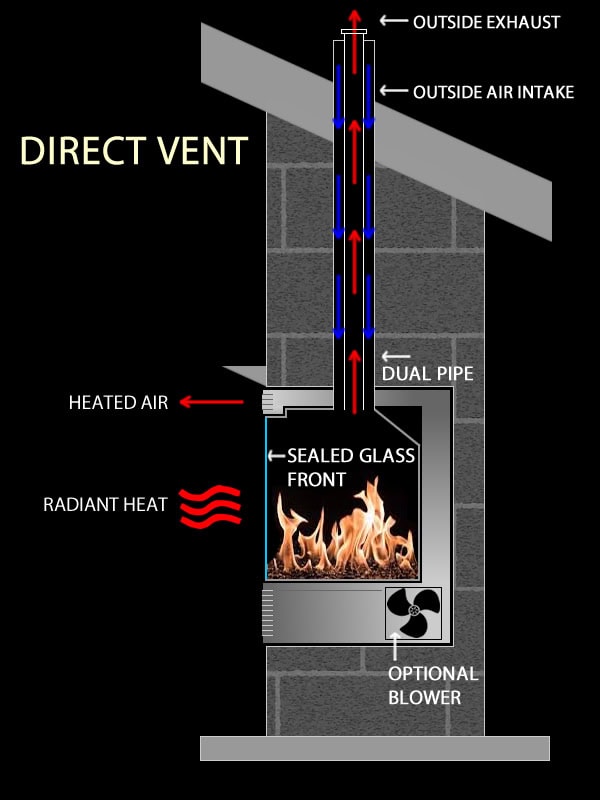
Have you ever wondered why your combustion heater needs ventilating air? It’s more important than you might think.
Ventilating air plays a key role in keeping your heater running safely and efficiently. Without the right airflow, your heater could waste fuel, produce harmful gases, or even become a fire hazard. You’ll discover exactly what ventilating air does, why it matters for your heater’s performance, and how it protects you and your home.
Keep reading to find out how something as simple as air can make a big difference in your heating system.

Credit: www.thefiresidegroup.com
Purpose Of Ventilating Air
Ventilating air plays a crucial role in the operation of a combustion heater. It is not just about moving air around; it directly impacts how the heater performs, how safe it is, and how well it controls temperature. Understanding its purpose helps you optimize your heater’s efficiency and safety.
Ensuring Complete Combustion
Ventilating air supplies the oxygen needed for fuel to burn fully. Without enough oxygen, combustion becomes incomplete, creating harmful gases like carbon monoxide. Have you ever noticed a smoky smell or soot buildup? That’s often a sign of poor ventilation.
Good ventilation helps the heater burn fuel cleanly, saving you money and protecting your health. It ensures every bit of fuel is used efficiently, reducing waste and emissions.
Maintaining Safe Operation
Safety is a major reason ventilating air is necessary. It prevents dangerous conditions such as gas buildup or overheating inside the heater. Without proper airflow, pressure can build up and cause malfunctions or even explosions.
Think about how you feel when a room is stuffy; your heater needs fresh air to avoid similar risks. Proper ventilation keeps the system stable and prevents hazards that could harm you and your home.
Controlling Temperature
Ventilating air also helps control the temperature within the heater. It removes excess heat, protecting components from damage caused by overheating. Have you ever touched a heater and found it hotter than usual? Insufficient ventilation might be why.
By regulating airflow, the heater can maintain a steady temperature, improving performance and longevity. This balance keeps your heater running smoothly and reliably.
Sources Of Ventilating Air
Ventilating air plays a crucial role in the operation of combustion heaters by supplying the oxygen needed for fuel to burn efficiently. Knowing where this air comes from helps you understand how your heater works and how to maintain it for peak performance. Let’s look at the common sources of ventilating air and what makes each one effective.
Ambient Air Intake
Ambient air intake draws fresh air directly from the surrounding environment into the combustion chamber. This method is straightforward and cost-effective since it relies on natural airflow without extra equipment.
However, the quality and temperature of ambient air can vary greatly depending on your location and weather. For example, in cold climates, using cold ambient air might reduce heater efficiency, while dusty or polluted environments could affect burner performance.
Have you ever noticed your heater struggling on a particularly windy day? That’s often because the ambient air intake is being influenced by outside conditions, which may require adjustments or additional filtration.
Forced Air Systems
Forced air systems use fans or blowers to push ventilating air into the combustion chamber. This controlled airflow ensures a steady, consistent supply of oxygen regardless of outside conditions.
Because you can adjust the volume and pressure of the air, forced air systems often improve combustion efficiency and reduce emissions. This makes them a popular choice in industrial or commercial heaters where reliability is critical.
Think about times when your heater seems to warm up faster or maintain heat more evenly—this is often due to forced air systems optimizing the air supply. Are you managing your heater’s airflow to get the best results?
Impact On Heater Efficiency
Ventilating air plays a crucial role in the efficiency of combustion heaters. Proper airflow ensures complete fuel burning and stable operation. Without enough ventilating air, heaters waste fuel and produce harmful byproducts. This section explores how ventilating air affects heater efficiency.
Optimizing Fuel Usage
Correct ventilating air supply helps fuel burn fully. It avoids leftover fuel and soot buildup inside the heater. Proper air means the heater uses less fuel for the same heat output. This saves money and reduces the frequency of maintenance. Balanced airflow keeps the flame steady and strong. It prevents fuel from being wasted due to incomplete combustion.
Reducing Emissions
Enough ventilating air lowers harmful emissions from the heater. It reduces carbon monoxide and unburned hydrocarbons released into the air. Cleaner combustion results in less smoke and fewer pollutants. This protects the environment and improves indoor air quality. Controlling ventilating air is key to meeting emission regulations. It also prolongs the life of the heater by preventing corrosion caused by poor combustion.
Safety Advantages
Ventilating air plays a crucial role in maintaining safety in combustion heaters. It helps manage air quality and temperature inside the heater. Proper ventilation reduces risks that can threaten health and property. Below are key safety advantages of using ventilating air in combustion heaters.
Preventing Carbon Monoxide Buildup
Carbon monoxide is a dangerous gas produced by incomplete combustion. Without enough ventilating air, this gas can accumulate inside the heater and nearby areas. Ventilation ensures fresh air mixes with combustion gases. This mixing helps burn fuel fully and reduces carbon monoxide levels. Proper ventilation lowers the risk of poisoning and keeps the air safe to breathe.
Avoiding Overheating
Overheating can damage the heater and create fire hazards. Ventilating air removes excess heat from the combustion chamber. It keeps the internal temperature within safe limits. This cooling effect protects heater parts from warping and breaking. It also prevents dangerous situations caused by extreme heat buildup. Ventilation helps the heater work efficiently and safely for longer.
Maintenance And Ventilation
Maintenance and ventilation play crucial roles in a combustion heater’s performance. Proper ventilation ensures safe operation and prevents harmful gases from accumulating. Regular maintenance keeps your heater efficient and prolongs its lifespan. Understanding airflow and ventilation issues is vital for every heater owner.
Monitoring Airflow
Monitoring airflow is essential for a heater’s safe operation. Check air vents for blockages regularly. Ensure the airflow is unobstructed to maintain efficiency. A clear airflow path reduces the risk of overheating and carbon monoxide buildup.
Common Ventilation Issues
Common ventilation issues can affect heater performance. Blocked vents are a frequent problem. Dust and debris can clog vents, reducing airflow. Inspect vents regularly to ensure they are clear. Another issue is insufficient ventilation. Ensure your room has enough fresh air supply. A lack of fresh air can cause incomplete combustion, leading to harmful emissions.
Energy Savings With Proper Ventilation
Proper ventilation plays a key role in saving energy on combustion heaters. It helps maintain efficient burning and reduces wasted fuel. Ventilating air ensures the heater receives enough oxygen for complete combustion. This leads to less smoke and lower fuel use.
Energy savings come from better heat output and less heat loss. A well-ventilated heater works smoothly without extra energy. It prevents overheating and damage, extending the heater’s life. Using the right ventilation also cuts down on harmful emissions, making it safer and eco-friendly.
How Ventilation Improves Combustion Efficiency
Ventilation supplies oxygen needed for burning fuel fully. This stops incomplete combustion, which wastes energy. Complete combustion produces more heat from the same fuel amount. It reduces soot and carbon buildup inside the heater. Cleaner burning means better heater performance and lower fuel costs.
Reducing Heat Loss Through Proper Airflow
Good airflow balances heat inside the heater. It stops cold air from cooling hot parts. Proper ventilation keeps heat inside longer. This reduces the energy needed to keep rooms warm. Less heat loss means less fuel burned. The heater works smarter, not harder.
Lowering Maintenance Costs With Correct Ventilating Air
Proper ventilation reduces buildup of soot and residues. This keeps heater parts clean and working well. Clean parts mean fewer repairs and less frequent maintenance. Lower maintenance saves money and reduces downtime. Efficient ventilation protects your investment in the heater.
Regulatory Requirements
Regulatory requirements set clear rules for ventilating air on combustion heaters. These rules protect health and ensure safe operation. Compliance helps avoid hazards like carbon monoxide buildup and fire risks. Understanding these rules is key for proper installation and maintenance.
Air Quality Standards
Air quality standards control pollutants released during combustion. They limit harmful gases such as carbon monoxide and nitrogen oxides. Ventilating air must meet these standards to keep indoor air safe. Proper airflow reduces toxic gas concentration inside buildings. These standards vary by region but focus on clean and safe air.
Building Codes
Building codes require adequate ventilation for combustion heaters. They specify the amount and type of air needed for safe fuel burning. Codes ensure that fresh air reaches the heater to prevent dangerous gas buildup. Following these codes avoids fines and legal issues. Inspectors check ventilation systems during building approval and routine checks.

Credit: www.thefiresidegroup.com
Credit: www.diychatroom.com
Frequently Asked Questions
What Is Ventilating Air In Combustion Heaters?
Ventilating air supplies fresh air to the combustion heater. It helps maintain efficient fuel burning and prevents overheating. Without it, heaters may malfunction or produce harmful gases.
Why Is Ventilating Air Important For Combustion Heaters?
Ventilating air ensures complete combustion by providing oxygen. It helps avoid carbon monoxide buildup and enhances heater safety. Proper ventilation also extends the heater’s lifespan.
How Does Ventilating Air Improve Heater Performance?
Ventilating air improves combustion efficiency by supplying oxygen. This leads to better heat output and fuel savings. It also reduces soot and emissions from the heater.
Can A Combustion Heater Work Without Ventilating Air?
No, a combustion heater cannot operate safely without ventilating air. Lack of ventilation causes incomplete combustion and toxic gas buildup. It risks equipment damage and health hazards.
Conclusion
Ventilating air plays a key role in combustion heaters. It helps keep the fire burning safely and cleanly. Without it, heaters may not work well or could become dangerous. This air also helps remove harmful gases from the heater area.
Understanding ventilating air helps you use heaters more safely and efficiently. Always ensure your heater has proper airflow for best results. Good ventilation means better heat and safer homes. Simple but important for every heater user.



