
Have you ever wondered how your home can stay fresh and comfortable without wasting energy? A Heat Recovery Ventilation (HRV) system might be the secret solution you didn’t know you needed.
It’s designed to bring in fresh air while saving the heat from the air you’re already paying to warm. Imagine breathing cleaner air and lowering your energy bills at the same time. Curious how it works and if it’s right for your home?
Keep reading, and you’ll discover everything you need to know about this smart, energy-saving technology.
Basics Of Heat Recovery Ventilation
Understanding the basics of a heat recovery ventilation (HRV) system can change how you think about indoor air quality and energy savings. At its core, an HRV system balances fresh air intake with the removal of stale air, all while recovering heat that would otherwise be lost. This smart approach not only improves comfort but also cuts down on heating and cooling costs.
Core Components
An HRV system is made up of a few essential parts that work together seamlessly:
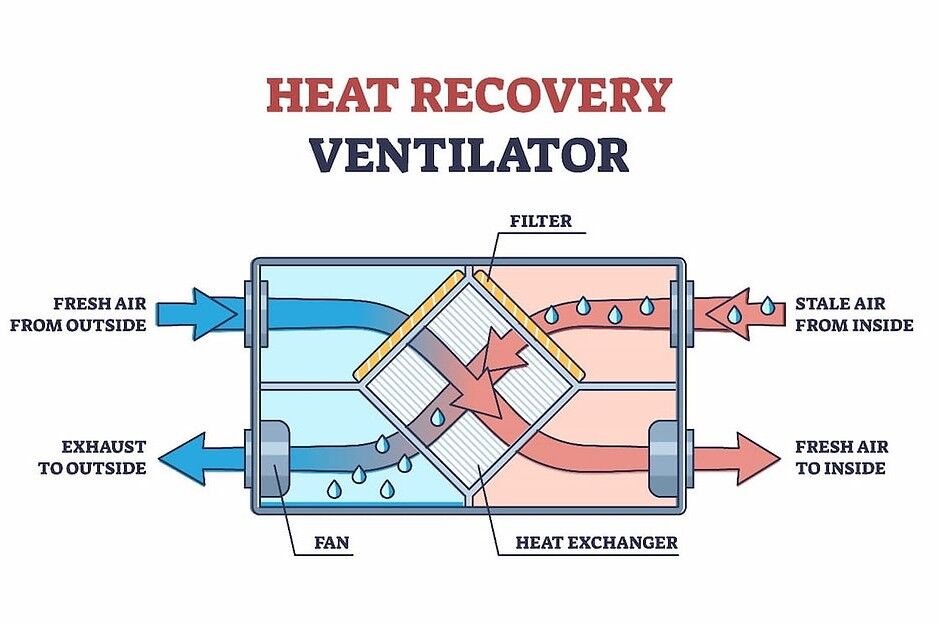
- Heat exchanger core:The heart of the system where heat transfer happens without mixing the air streams.
- Two fans:One pulls fresh outdoor air inside, and the other pushes stale indoor air out.
- Filters:These clean the incoming air, removing dust and allergens before it enters your home.
- Ductwork:Channels that direct air in and out of the system, usually hidden in your walls or attic.
Knowing these parts helps you troubleshoot or discuss your system with professionals more effectively.
Airflow Pathways
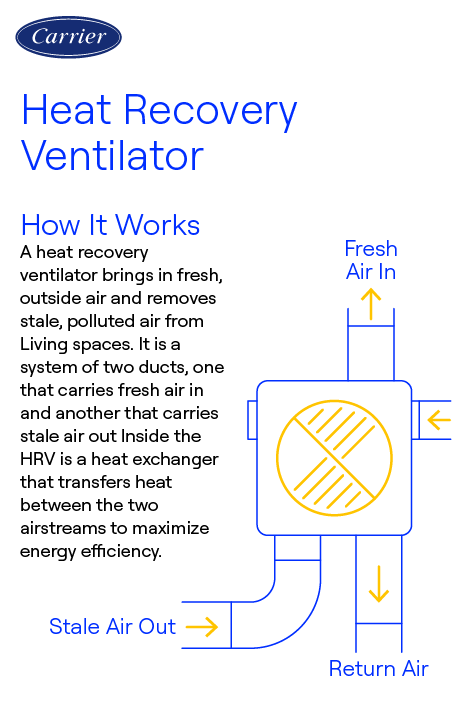
The way air moves through an HRV system is key to its efficiency. Fresh air is drawn from outside and pushed through a filter, then routed into your living spaces.
At the same time, stale air from inside your home is pulled through another duct and sent outside. The two air streams never mix directly, which prevents odors and contaminants from spreading.
Have you ever wondered why opening a window sometimes makes your heating bill spike? HRV systems avoid this by controlling airflow carefully, maintaining a balanced exchange that keeps your home fresh without energy waste.
Heat Exchange Process
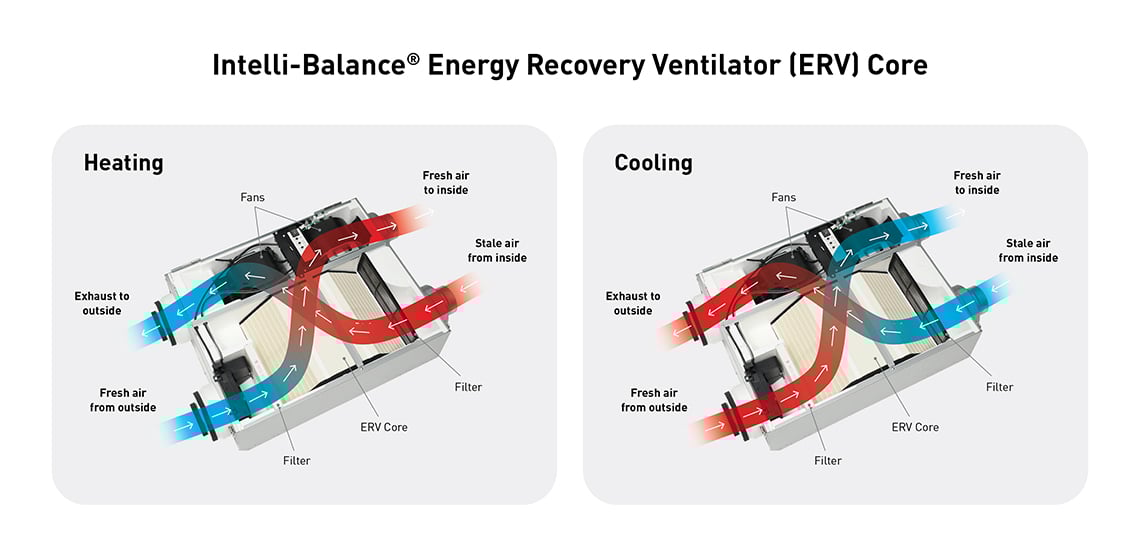
This is where the magic happens. The heat exchanger core transfers warmth from the outgoing stale air to the incoming fresh air during cold months.
In summer, the process can work in reverse to help cool the incoming air, depending on the system design. This transfer happens without mixing the two air streams, preserving air quality.
Imagine saving up to 70% of the heat energy that would normally escape through ventilation alone—it’s like recycling energy inside your home. How much could you save if your system worked this efficiently every day?
Credit: iaq.na.panasonic.com
Types Of Heat Recovery Systems
Heat recovery ventilation systems come in several types. Each type handles air exchange differently. These systems help keep indoor air fresh and reduce energy loss.
Choosing the right type depends on your home’s layout and ventilation needs. Here are the main types of heat recovery systems:
Balanced Ventilation
Balanced ventilation systems bring fresh air in and push stale air out equally. They use a heat exchanger to transfer heat between the two air streams. This process saves energy by warming or cooling incoming air. It maintains good indoor air quality and helps control humidity. These systems work well in airtight homes.
Exhaust Ventilation
Exhaust ventilation systems remove stale air from inside. This creates a slight negative pressure that pulls fresh air in through vents or cracks. These systems are simpler and less costly. They help remove moisture and pollutants but do not recover heat. Exhaust ventilation suits homes with moderate air tightness.
Supply Ventilation
Supply ventilation systems push fresh air into the home. This creates positive pressure that forces stale air out through leaks or vents. These systems filter and condition incoming air. They improve air quality and reduce allergens. Supply ventilation works best in homes with good sealing.
Energy Savings Explained
Energy savings are a key benefit of heat recovery ventilation systems. These systems capture heat from outgoing stale air and transfer it to incoming fresh air. This process reduces the need for extra heating or cooling, lowering energy use.
Heat recovery ventilation systems work quietly and efficiently. They maintain indoor air quality while cutting down on energy waste. Understanding how energy savings happen helps homeowners see the value of these systems.
Heat Transfer Efficiency
Heat recovery ventilation systems use a heat exchanger. This device transfers warmth from outgoing air to incoming air without mixing them. The efficiency of this transfer determines energy savings.
High-efficiency exchangers can recover up to 90% of heat. This means less energy is needed to heat or cool fresh air. The better the heat transfer, the lower the energy consumption.
Reducing Heating And Cooling Loads
The system reduces the work of your furnace or air conditioner. By pre-warming or pre-cooling incoming air, less energy is needed to reach the desired temperature. This reduces wear on HVAC equipment and saves energy.
Lower heating and cooling loads mean less fuel or electricity use. This leads to a smaller carbon footprint and cost savings.
Impact On Energy Bills
Energy bills can drop significantly after installing a heat recovery ventilation system. Savings depend on climate, home size, and system efficiency. Typically, homeowners see a 20% to 40% reduction in heating and cooling costs.
These systems pay for themselves over time through lower energy expenses. The upfront investment leads to long-term financial benefits.
Indoor Air Quality Benefits
Heat Recovery Ventilation (HRV) systems improve indoor air quality by constantly exchanging stale indoor air with fresh outdoor air. This process keeps the air clean and healthy inside homes or buildings. It also maintains a comfortable humidity level and removes harmful pollutants that can affect health.
Fresh Air Supply
HRV systems bring fresh outdoor air inside without losing heat. The fresh air flows through filters that clean dust and pollen. This constant supply of fresh air prevents stuffiness and keeps rooms feeling comfortable. It also helps reduce odors and keeps air fresh throughout the day.
Moisture Control
Too much moisture causes mold and mildew. HRV systems control indoor humidity by removing excess moisture. This balance prevents dampness and protects walls and furniture. Proper moisture control also helps reduce allergy symptoms and keeps the air feeling fresh.
Pollutant Removal
Indoor air can contain harmful pollutants like dust, smoke, and chemicals. HRV systems filter and remove these pollutants during air exchange. Cleaner air means fewer health risks and better breathing comfort. This is especially helpful for people with asthma or allergies.
Installation Considerations
Installing a Heat Recovery Ventilation (HRV) system requires careful planning. Proper installation ensures maximum efficiency and longevity. Several factors need consideration for optimal performance.
Placement And Sizing
Location is crucial for an HRV system. It should be placed where air circulation is optimal. This often means central locations in a home or building. The size of the system should match the space it serves. Larger areas require more powerful systems. Consult a professional for accurate sizing. Proper sizing ensures efficient operation and energy savings.
Integration With Hvac
HRV systems work well with existing HVAC systems. They need proper integration to function efficiently. This involves connecting ducts and calibrating controls. Ensure compatibility with existing heating and cooling units. Professional installation is recommended for seamless integration. This setup enhances air quality and energy efficiency.
Maintenance Needs
Regular maintenance keeps the HRV system running smoothly. Filters should be cleaned or replaced periodically. Inspect the system for blockages or damage. Schedule annual professional check-ups for thorough inspections. Maintenance extends the system’s life and ensures peak performance. Keep a maintenance log for easy tracking.

Credit: en.wikipedia.org
Cost And Return On Investment
Understanding the cost and return on investment (ROI) of a heat recovery ventilation (HRV) system is crucial before making a decision. You want to know how much you’ll spend upfront and how long it takes to see savings. Balancing initial costs with long-term energy savings can help you decide if an HRV system is the right fit for your home and budget.
Initial Costs
The initial price of an HRV system can vary widely based on the size of your home and the system’s complexity. Basic units typically start around $1,000, while more advanced models with added features can cost $3,000 or more. Installation fees also add to the total, often ranging from $500 to $2,000, depending on your home’s layout.
Keep in mind, a well-installed system can last 15-20 years, so think about the upfront investment as a long-term asset. Have you checked if your home’s current ventilation setup might increase installation costs? Sometimes retrofitting older homes costs more but delivers better efficiency gains.
Energy Savings Over Time
HRV systems reduce heating and cooling costs by recovering heat from outgoing stale air and transferring it to incoming fresh air. This process lowers the energy required to maintain a comfortable indoor temperature. On average, you can expect a 10-30% reduction in your heating and cooling bills.
Imagine cutting your annual energy bill by hundreds of dollars—that adds up quickly over the years. However, your actual savings depend on local climate, energy prices, and how airtight your home is. Are you curious how much you could save with your specific setup? Running a quick energy audit might give you clearer answers.
Incentives And Rebates
Many governments and utility companies offer incentives to encourage energy-efficient home upgrades like HRV systems. These can include tax credits, rebates, or low-interest loans that significantly lower your initial costs. Checking with your local energy provider or government website can reveal available programs in your area.
Sometimes incentives cover 20-30% of the purchase and installation price, which could make a big difference in your decision. Don’t miss out on these opportunities—they’re designed to make energy-saving technologies more affordable for you. Have you explored what’s available in your region yet?
Common Myths Debunked
Many misunderstandings surround heat recovery ventilation (HRV) systems. These myths cause hesitation and confusion for homeowners. Clearing up these myths helps you see the true benefits of HRV systems. Let’s explore some common myths and reveal the facts.
System Complexity
Some believe HRV systems are too complex to install or use. In reality, modern HRV units come with simple controls. Most systems require little maintenance beyond basic filter changes. Installation is straightforward for qualified professionals. The technology inside is smart but user-friendly. You don’t need special skills to operate an HRV system.
Noise Levels
Many worry HRV systems create loud, annoying noise. Good-quality HRV units operate quietly in the background. Noise levels are often lower than regular appliances. Manufacturers design units with soundproofing materials. You may only hear a gentle hum or airflow. Noise should never disrupt your daily life or sleep.
Effectiveness In Different Climates
Some think HRV systems only work in certain climates. HRV technology adapts well to a wide range of environments. It helps maintain indoor air quality in both cold and warm areas. Units balance heat and humidity for comfort year-round. Proper system setup ensures efficiency regardless of weather. HRV systems improve ventilation even in extreme climates.
Credit: www.carrier.com
Future Trends In Ventilation
Heat recovery ventilation systems exchange stale indoor air with fresh outdoor air while capturing heat. This process saves energy and keeps homes comfortable. Such systems improve air quality without wasting warmth.
Future Trends in Ventilation The world of ventilation is evolving rapidly. New technologies are enhancing how we manage indoor air quality. Heat Recovery Ventilation (HRV) systems are no exception. They are becoming more efficient and smart. Let’s explore some exciting trends shaping their future.Smart Controls
Smart technology is making ventilation systems more intuitive. With smart controls, users can manage air quality with ease. These systems can learn from user behavior. They adjust settings automatically for optimal performance. This leads to improved energy efficiency and comfort.Advanced Materials
New materials are being used in HRV systems. These materials enhance heat exchange efficiency. They are lighter, more durable, and better at insulation. This means longer system life and reduced maintenance. Advanced materials also support compact designs, saving space.Integration With Renewable Energy
Renewable energy is becoming a part of HRV systems. Solar panels and wind turbines can power these systems. This reduces reliance on traditional energy sources. It also lowers carbon footprints. Integration with renewable energy makes HRV systems more sustainable.Frequently Asked Questions
What Is A Heat Recovery Ventilation System?
A heat recovery ventilation system exchanges stale indoor air with fresh outdoor air. It recovers heat from outgoing air, improving energy efficiency. This process maintains indoor air quality while reducing heating and cooling costs.
How Does Heat Recovery Ventilation Save Energy?
It captures heat from exhaust air and transfers it to incoming fresh air. This reduces the need for extra heating or cooling, lowering energy consumption and utility bills.
Can A Heat Recovery System Improve Indoor Air Quality?
Yes, it continuously replaces stale indoor air with filtered fresh air. This process removes pollutants, moisture, and odors, enhancing overall indoor air quality and comfort.
Where Is A Heat Recovery Ventilation System Installed?
Typically, it is installed in central locations like basements or mechanical rooms. Ductwork connects to various rooms to ensure balanced ventilation throughout the building.
Conclusion
A heat recovery ventilation system saves energy and keeps air fresh. It moves stale air out and brings fresh air in. Heat from the outgoing air warms the incoming air. This process helps lower heating and cooling costs. It also reduces humidity and improves comfort.
Homes stay healthier with cleaner, balanced air. Choosing this system supports a more energy-efficient home. Simple, smart, and effective. A good step toward better indoor air quality.



