
Are you curious about how to become an HVAC technician? If you enjoy working with your hands, solving problems, and want a career that stays in demand, this path could be perfect for you.
Becoming an HVAC technician means learning how to install, maintain, and repair heating and cooling systems that keep homes and businesses comfortable all year round. You’ll discover clear steps to start your journey, what skills you need, and how to stand out in this growing field.
Ready to take control of your future and build a rewarding career? Keep reading to find out exactly how to become an HVAC technician.
Career Pathways
Choosing a career as an HVAC technician opens several pathways that can fit your skills and interests. Understanding the different roles available, the current industry demand, and the chances for growth will help you plan your future effectively. Let’s break down what you can expect as you move forward in this field.
Hvac Technician Roles
The HVAC field offers a variety of roles beyond just installation and repair. You might work as a service technician, focusing on maintenance and troubleshooting. Others specialize in system design, ensuring HVAC systems meet building requirements.
Some technicians advance into sales or project management, combining technical knowledge with customer interaction. Think about where your strengths lie—do you prefer hands-on work or coordinating larger projects? Your choice will shape your career experience.
Industry Demand
Heating, ventilation, and air conditioning systems are essential in homes, offices, and factories. This means the demand for skilled technicians remains strong across many regions. The push for energy-efficient and smart HVAC systems is creating new job opportunities as well.
If you’re wondering about job security, consider that buildings always need climate control regardless of economic shifts. How does the idea of steady work with evolving technology fit into your career goals?
Growth Opportunities
Starting as an entry-level technician, you can gain certifications and specialize in areas like refrigeration or green energy systems. This specialization can lead to higher pay and more responsibility.
Some HVAC professionals choose to start their own businesses or become instructors to train new technicians. The path you take depends on your willingness to learn and adapt. Are you ready to keep expanding your skills to reach the next level?
Essential Skills
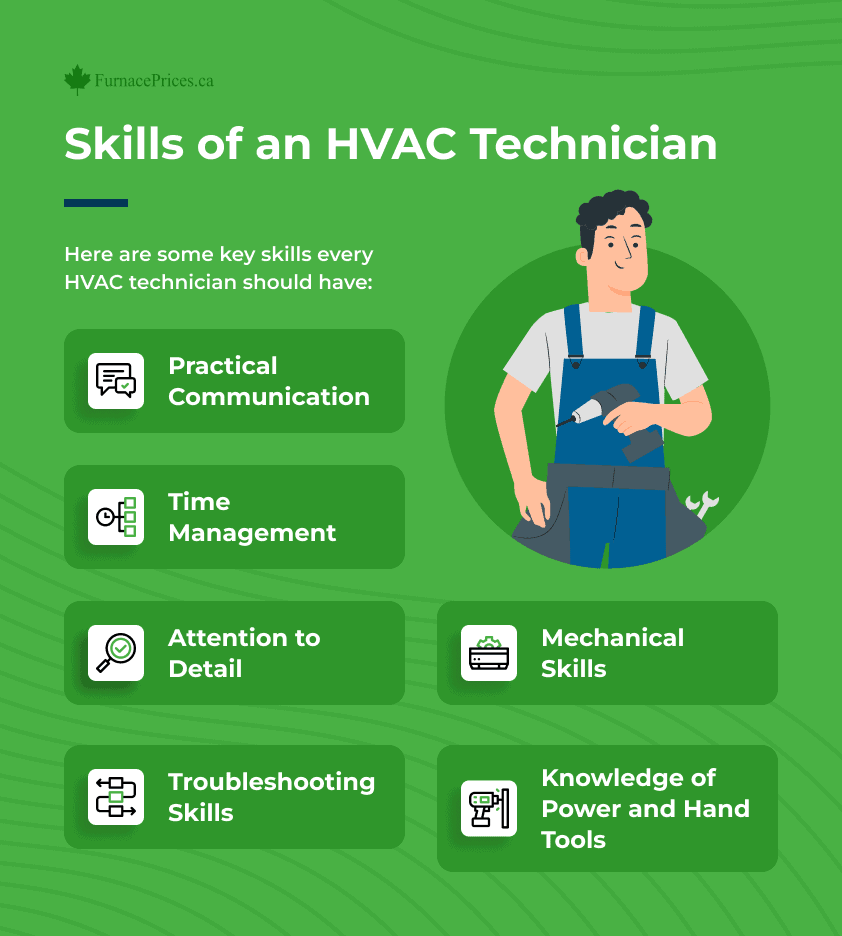
Becoming an HVAC technician requires a set of essential skills. These skills ensure success in the field and help handle daily tasks efficiently. Understanding these skills can guide you in your career path.
Technical Expertise
Technical expertise is the foundation of an HVAC technician’s work. It involves knowledge of heating, ventilation, and air conditioning systems. Learning how to install, maintain, and repair these systems is crucial. Familiarity with electrical components and tools is also important. Staying updated with new technology keeps skills relevant.
Problem Solving
Problem solving helps fix system issues quickly and effectively. Identifying the root cause of a problem saves time and money. Analyzing symptoms and testing parts are common tasks. Creative thinking often finds solutions that are not obvious. This skill improves with experience and practice.
Customer Service
Good customer service builds trust and satisfaction. Communicating clearly about work and costs helps customers feel confident. Listening to customer concerns shows respect and care. Being polite and professional leaves a positive impression. Strong customer service often leads to repeat business.
Education And Training
Education and training form the foundation of a successful HVAC technician career. This field requires a mix of technical knowledge and hands-on skills. Proper education ensures understanding of heating, cooling, and refrigeration systems. Training provides practical experience necessary to handle real-world tasks with confidence.
High School Courses
High school courses help build essential skills for HVAC work. Focus on subjects like:
- Mathematics – for measurements and calculations
- Physics – to understand heat and energy principles
- Basic electronics – for system wiring and controls
- Shop classes – to develop mechanical skills
These courses prepare students for advanced HVAC training after graduation.
Trade Schools And Apprenticeships
Trade schools offer specialized HVAC programs. These programs combine classroom learning and practical work. Students learn system installation, maintenance, and repair techniques. Apprenticeships provide hands-on experience under expert supervision. They usually last 3 to 5 years and include paid work. Apprenticeships help build skills faster and improve job prospects.
Certifications And Licenses
Certifications prove a technician’s knowledge and skills. Common certifications include EPA Section 608 for handling refrigerants. Licensing requirements vary by state and country. Many places require passing exams to work legally. Some employers prefer certified and licensed technicians. These credentials boost credibility and open up more job opportunities.
Credit: www.rsi.edu
Tools And Equipment
Tools and equipment form the backbone of every HVAC technician’s work. These tools help diagnose, repair, and maintain heating, ventilation, and air conditioning systems effectively. Using the right equipment makes tasks quicker and safer. Below are the essential tools and gear HVAC technicians rely on daily.
Basic Tools
Basic tools are the foundation for any HVAC job. They include handheld devices and common instruments found in most toolkits.
- Screwdrivers (flathead and Phillips)
- Pliers (needle-nose, slip-joint)
- Wrenches (adjustable and pipe)
- Tape measure
- Utility knife
- Socket set
- Flashlight
- Level
These tools allow technicians to open units, measure parts, and make precise adjustments.
Advanced Technology
Modern HVAC work requires advanced tools to test and troubleshoot systems accurately. These tools detect issues that are invisible to the eye.
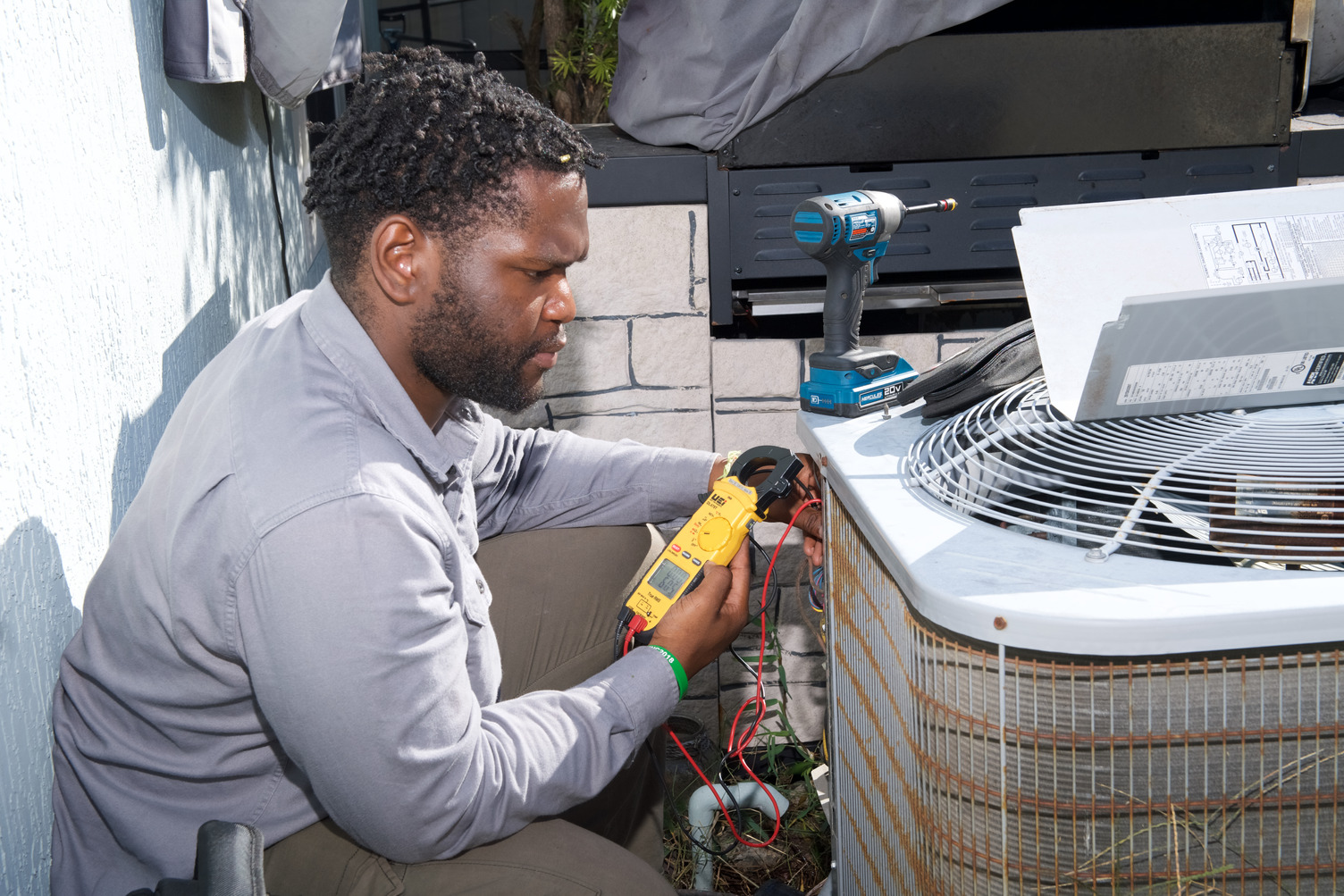
- Digital multimeter for electrical testing
- Manifold gauge set to measure pressure
- Thermometers for temperature readings
- Leak detectors for refrigerant leaks
- Combustion analyzers for gas furnaces
- Vacuum pumps for system evacuation
- Infrared cameras to find heat loss
Advanced tools increase diagnostic accuracy and reduce repair time.
Safety Gear
Safety gear protects HVAC technicians from hazards. It is essential to wear proper equipment at all times.
- Safety glasses to protect eyes
- Work gloves for hand protection
- Steel-toe boots for foot safety
- Respirators or masks for dust and fumes
- Ear protection in noisy environments
- Hard hats on construction sites
Wearing safety gear prevents injuries and promotes a safe work environment.
On-the-job Tips
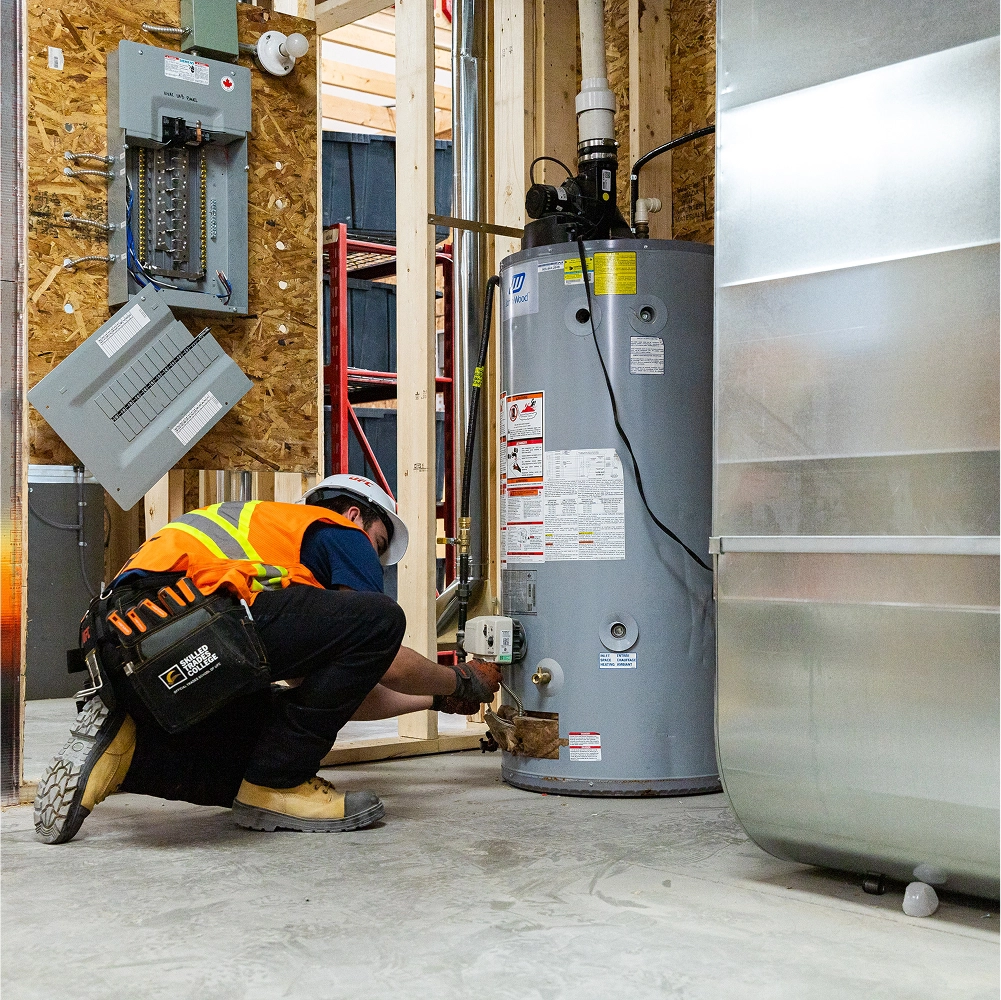
Being an HVAC technician means you are always learning on the job. Mastering practical skills is crucial for success. Here, we discuss key tips to excel in your daily tasks. This includes troubleshooting effectively, managing your time, and collaborating with your team.
Effective Troubleshooting
Learn to identify problems quickly. Listen to client concerns first. Inspect the system thoroughly. Look for common issues like leaks or faulty wiring. Use diagnostic tools efficiently. Keep your tools well-organized for easy access.
Document your findings clearly. Take notes of each step you take. This helps in future troubleshooting and improves your skills. Regular practice enhances your ability to solve problems faster.
Time Management
Plan your day before starting work. Prioritize urgent tasks first. Allocate specific time for each task. Avoid spending too much time on one job.
Keep track of time spent on each project. Use a timer if needed. This helps improve your productivity. Efficient time management leads to more satisfied clients.
Team Collaboration
Communication is key in teamwork. Share information with your colleagues. Discuss challenges openly. Brainstorm solutions together.
Respect each team member’s ideas. Learn from each other. This builds a supportive work environment. Strong collaboration enhances job efficiency and satisfaction.
Credit: www.skilledtradescollege.ca
Building A Reputation
Building a strong reputation as an HVAC technician is key to growing your career and securing steady work. Your reputation reflects the trust customers place in your skills and professionalism. Focus on delivering consistent value, maintaining clear communication, and staying updated with industry knowledge to stand out in this competitive field.
Quality Workmanship
Your reputation starts with the quality of your work. Every installation, repair, or maintenance job should meet high standards. Take the time to double-check your work and use reliable tools and parts.
Think about the last time you fixed a tricky system and the customer called back to thank you. That’s the kind of impact quality workmanship can have. It encourages repeat business and referrals, which are vital for your growth.
Customer Communication
Clear communication builds trust and prevents misunderstandings. Always explain what needs to be done and why, using simple language your customers can understand.
Listening is just as important. When you pay attention to customers’ concerns, you show respect and make them feel valued. This often leads to positive reviews and word-of-mouth recommendations.
Continuous Learning
Technology and standards in HVAC evolve quickly. Staying updated with the latest techniques and certifications keeps you competitive.
Ask yourself: When was the last time you learned a new skill or tool? Regular training not only sharpens your abilities but also signals to clients that you’re committed to excellence.
Salary And Benefits
Understanding the salary and benefits of an HVAC technician is crucial before diving into this career path. Your income and perks reflect not only your skills but also the effort you put into growing professionally. Knowing what to expect helps you set realistic goals and negotiate better offers.
Earning Potential
HVAC technicians’ earnings vary based on experience, location, and certifications. Entry-level technicians might start with a modest salary, but gaining specialized skills can significantly boost your pay.
In some regions, experienced HVAC technicians earn over $60,000 annually, with overtime and emergency call-outs increasing income further. Have you thought about obtaining certifications like EPA 608? They often lead to higher wages and more job opportunities.
Job Benefits
Benefits often go beyond your paycheck and can add substantial value to your overall compensation. Many employers offer health insurance, retirement plans, and paid time off to HVAC technicians.
Some companies also provide tools, uniforms, and training programs at no cost. These perks not only save you money but also help you stay updated with industry trends. Would you consider benefits like flexible schedules or performance bonuses important in your decision?
Negotiation Tips
Knowing your worth is key before discussing salary or benefits with an employer. Research local salary ranges to back your requests with data.
Highlight certifications, experience, and any specialized skills you bring to the table. Don’t hesitate to ask for benefits like additional vacation days or flexible hours if the salary offer is fixed.
Practice your pitch and be confident—negotiation shows professionalism and can lead to better compensation. What’s one benefit you’d never accept less than?
Future Trends
Technology in HVAC is evolving fast, with smart systems becoming common. Learning new skills helps technicians stay ready for future changes. Green energy and automation will shape the job ahead.
The HVAC industry is evolving rapidly, driven by technological advancements and a growing focus on sustainability. As an aspiring HVAC technician, understanding future trends can give you a competitive edge. Embracing these changes not only enhances your skill set but also prepares you for a dynamic and rewarding career. Let’s explore some of these promising future trends.Green Technologies
Green technologies in HVAC are gaining momentum as environmental concerns rise. Systems that use renewable energy sources like solar and geothermal are becoming popular. Imagine being able to install a solar-powered HVAC system that not only reduces energy costs but also minimizes the carbon footprint. Many buildings are now opting for eco-friendly HVAC solutions, creating a demand for technicians skilled in these areas. As a technician, you can capitalize on this trend by getting certified in green HVAC technologies. Are you ready to make a difference by promoting sustainability in your projects?Smart Hvac Systems
The rise of smart technology is transforming HVAC systems into intelligent, interconnected devices. Smart thermostats and sensors allow users to control their home climate remotely via smartphones. This is not just about convenience—it’s about optimizing energy efficiency and cutting down on wastage. For an HVAC technician, this means learning to integrate these technologies into existing systems. Have you ever considered how your skills could evolve with smart tech? Gaining expertise in smart HVAC systems could set you apart in the job market.Industry Innovations
Innovation in the HVAC industry goes beyond green and smart technologies. New refrigerants are being developed that are less harmful to the environment. These advancements require technicians to stay updated with the latest training and certifications. Moreover, 3D printing is starting to make its way into HVAC, allowing for custom parts and rapid prototyping. Can you envision how these innovations might change the way you work? Staying informed about these trends ensures you’re always at the forefront of the industry. By keeping an eye on these future trends, you can anticipate changes and adapt your skills accordingly. So, are you ready to embrace the future of HVAC technology?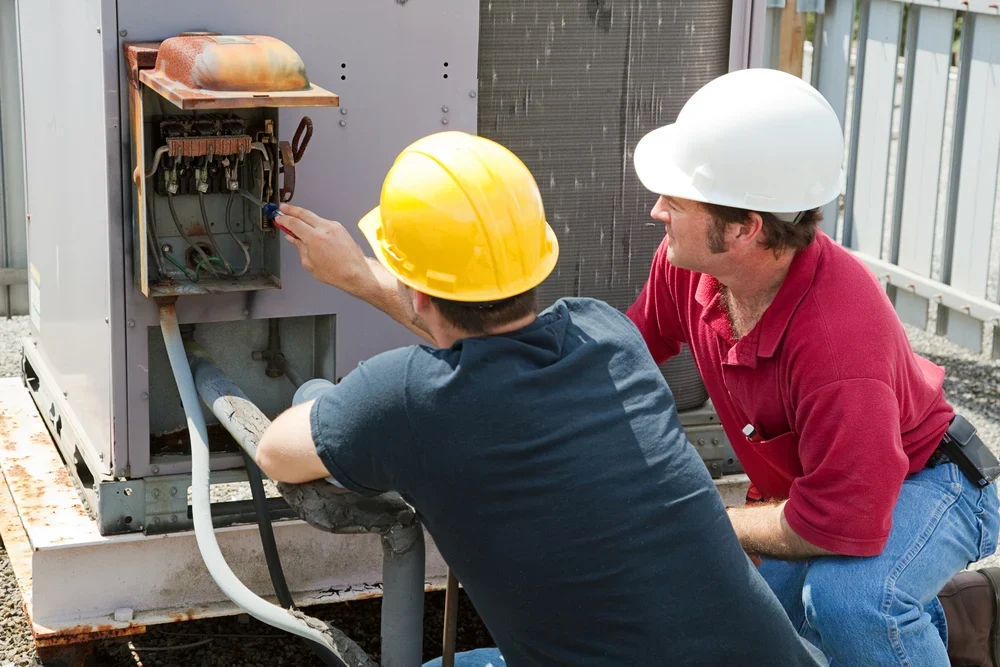
Credit: raiven.com
Frequently Asked Questions
What Skills Are Essential For An Hvac Technician?
An HVAC technician needs strong mechanical skills, problem-solving ability, and attention to detail. Good communication and customer service skills also help in understanding client needs and explaining repairs clearly.
How Long Does Hvac Technician Training Take?
Training typically lasts 6 months to 2 years, depending on the program. Many technicians attend trade schools or community colleges for hands-on experience and certification preparation.
What Certifications Are Required For Hvac Technicians?
Common certifications include EPA Section 608, NATE, and HVAC Excellence. These prove your expertise and are often mandatory for legal and safety compliance in HVAC work.
What Are Common Daily Tasks For Hvac Technicians?
Daily tasks include installing, maintaining, and repairing heating and cooling systems. Technicians also troubleshoot issues, perform inspections, and ensure systems meet safety standards.
Conclusion
Becoming an HVAC technician takes time and effort. Start by learning the basics and getting proper training. Practice your skills often to gain confidence. Stay curious and keep up with new technology. Safety should always come first on the job.
With patience and hard work, you can build a steady career. The HVAC field offers good opportunities and job growth. Take small steps each day and stay focused on your goals. Success is within reach for those who keep trying.



