
Is your attic feeling stuffy or too hot? Poor attic ventilation can cause hidden problems like moisture buildup, mold growth, and higher energy bills.
But don’t worry—improving your attic’s airflow is easier than you think. You’ll discover simple, effective ways to boost ventilation that protect your home and save you money. Keep reading to find out how small changes can make a big difference for your attic and your comfort.
Importance Of Attic Ventilation
Attic ventilation plays a crucial role in maintaining a healthy and efficient home environment. Without proper airflow, your attic can become a hotspot for problems that affect not only the space itself but also the overall comfort and safety of your living areas. Understanding why attic ventilation matters helps you prioritize this often overlooked part of your home maintenance.
Preventing Moisture Build-up
Moisture trapped in your attic can lead to serious issues like mold, mildew, and wood rot. These problems don’t just damage your attic structure—they can also affect the indoor air quality of your entire home. You might not notice signs of moisture immediately, but over time it can cause costly repairs and health problems.
Good ventilation moves moist air out and brings fresh air in, keeping your attic dry. Have you checked your attic for signs of dampness or musty smells lately? Addressing moisture early with proper ventilation can save you from expensive fixes down the road.
Reducing Energy Costs
Proper attic ventilation helps regulate temperature, making it easier to keep your home comfortable. In summer, it prevents heat from building up in the attic, which reduces the load on your air conditioner. In winter, it prevents warm air from getting trapped and causing ice dams on your roof.
This balance means your heating and cooling systems don’t have to work as hard, lowering your energy bills. Imagine cutting down your monthly utility costs just by improving airflow in your attic—what a simple way to save money!
Extending Roof Life
Heat and moisture can wear down roofing materials faster than you expect. When your attic is hot and damp, shingles can crack and wood can weaken, leading to premature roof failure. Proper ventilation helps maintain a stable environment under your roof, protecting your investment.
Think about how much a new roof costs—ventilation is a small price to pay to extend the life of your current one. Have you considered how much longer your roof could last with better attic airflow?
Credit: www.roofingcontractor.com
Signs Of Poor Attic Ventilation
Poor attic ventilation causes many problems in your home. It harms your roof and increases energy bills. Knowing the signs helps fix issues early. Watch for these common signals of poor attic airflow.
Excessive Heat In Summer
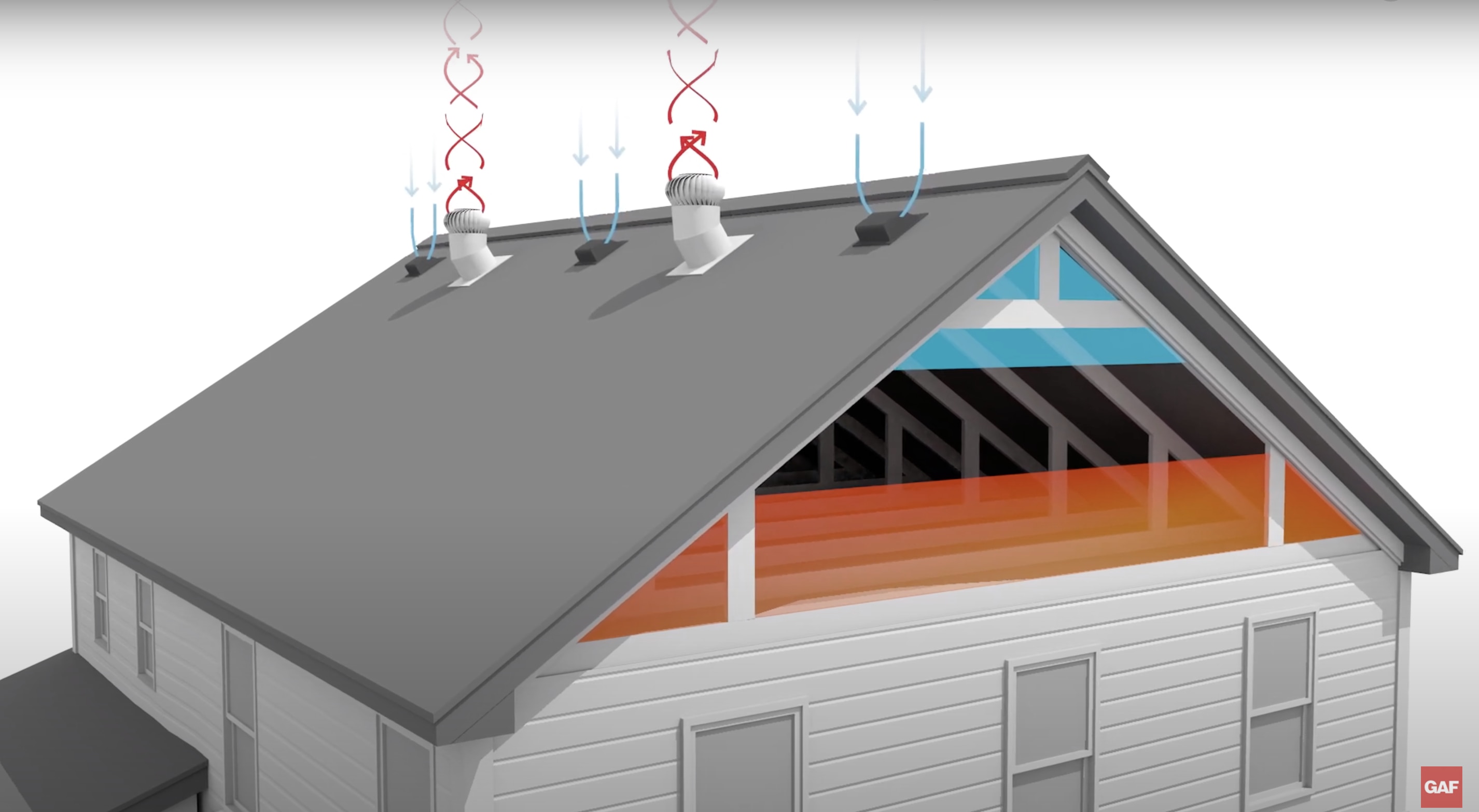
Hot air gets trapped in the attic during summer. This makes your home warmer and your air conditioner work harder. The attic temperature can rise over 150°F. This heat can damage roofing materials and lower their lifespan.
Ice Dams In Winter
Warm air from the attic melts snow on the roof. The melted snow refreezes at the edges, forming ice dams. Ice dams cause water to leak inside walls and ceilings. This leads to costly repairs and mold growth.
Musty Odors And Mold
Trapped moisture creates a damp environment in the attic. This causes mold and mildew to grow. Musty smells spread to living areas. Mold can damage wood and insulation, harming your home’s structure.
Types Of Attic Vents
Choosing the right type of attic vent can make a huge difference in how well your attic breathes. Each vent type has its own way of allowing air to flow, helping to reduce heat and moisture buildup. Understanding these options helps you decide what fits your home’s needs and climate best.
Soffit Vents
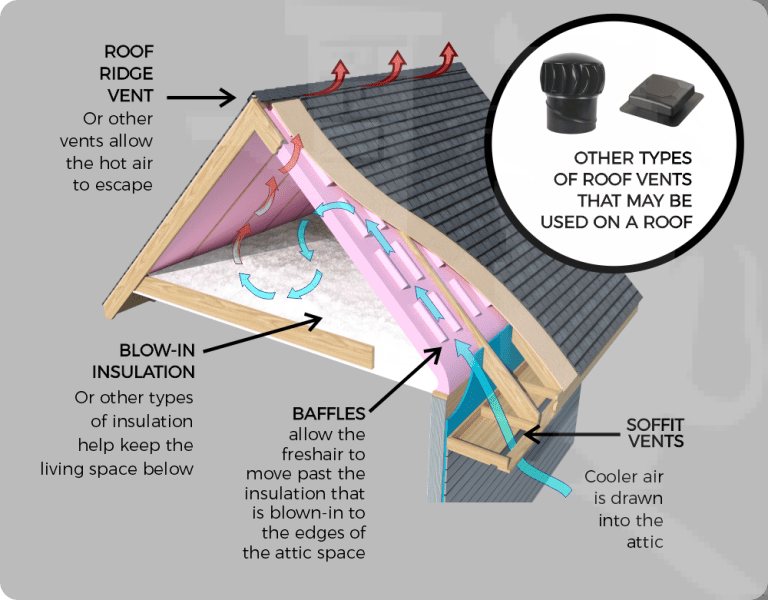
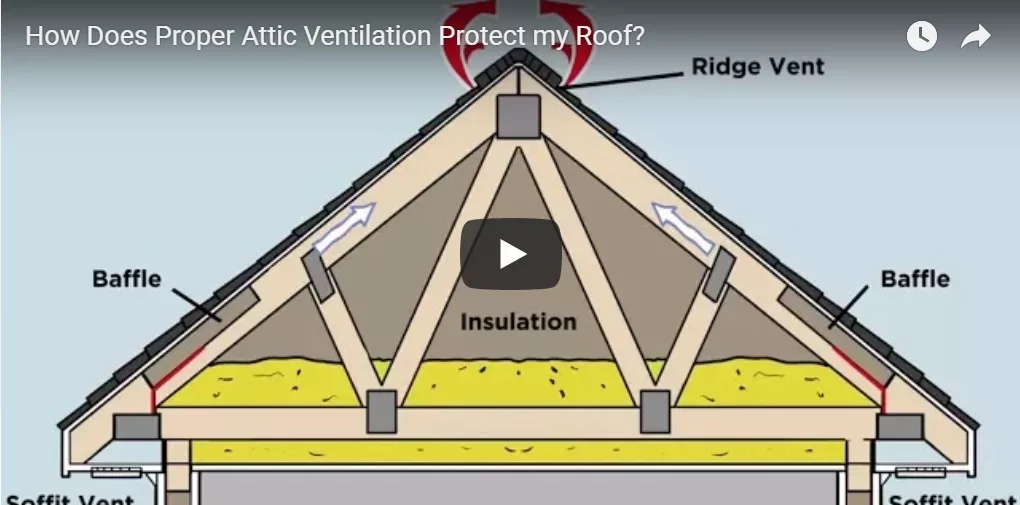
Soffit vents are installed under the eaves of your roof. They allow cool air to enter the attic from the outside. This fresh air pushes out hot air through other vents, creating a natural airflow cycle.
If your attic lacks good intake vents, adding soffit vents can be a game-changer. They work best when paired with exhaust vents like ridge vents to keep air moving continuously.
Ridge Vents
Ridge vents run along the peak of the roof and provide a continuous outlet for hot air to escape. They are hidden under the roofline, so they don’t affect your home’s appearance. Ridge vents work well with soffit vents to create a balanced ventilation system.
Have you noticed a cooler attic after installing ridge vents? Many homeowners report lower energy bills and less moisture damage after upgrading to ridge vents.
Gable Vents
Gable vents are placed on the triangular walls at each end of the attic. They allow air to flow out of the attic and can be combined with other vents for better results. These vents are easy to install and often come in decorative designs.
Gable vents work well if your attic has cross-ventilation, but they may not be as effective alone in homes with limited airflow paths.
Turbine Vents
Turbine vents spin with the wind to pull hot air out of the attic. They don’t rely on electricity and can be very effective on windy days. However, they may not work as well on calm days or in areas with low wind.
Consider turbine vents if you want a low-maintenance option that actively expels hot air. Just ask yourself if your location gets enough wind to keep them spinning efficiently.
Credit: www.roofingcontractor.com
Calculating Ventilation Needs
Calculating ventilation needs depends on attic size and roof shape. Proper airflow helps reduce heat and moisture buildup. Measure attic volume and use guidelines to find the right vent amount.
Calculating ventilation needs is crucial for a healthy attic. Proper ventilation prevents heat and moisture buildup. This ensures your home stays comfortable and energy-efficient. To achieve this, understanding your attic’s ventilation requirements is essential.Measuring Attic Space
First, calculate your attic’s square footage. Measure the length and width of the attic. Multiply these numbers to get the total area. This measurement helps determine how much ventilation you need.Determining Vent Area
Once you have the attic’s area, calculate the vent area needed. Typically, one square foot of vent is required per 150 square feet of attic space. This ratio ensures adequate airflow. If your attic has a vapor barrier, adjust the ratio to one square foot per 300 square feet.Balancing Intake And Exhaust
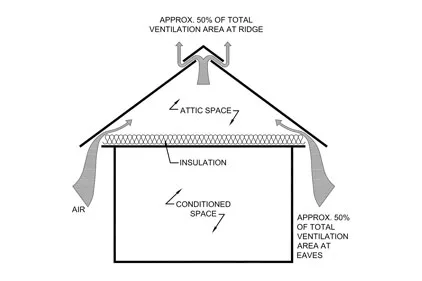
Balance intake and exhaust vents for effective ventilation. Intake vents are usually under the eaves. Exhaust vents are placed near the roof peak. Ensure equal venting for both intake and exhaust. This balance allows air to flow smoothly through the attic. Proper balance prevents moisture and heat accumulation.Installing New Vents
Installing new vents is a practical way to boost your attic’s airflow and prevent heat buildup. Proper vent placement allows hot air to escape while bringing in fresh air, reducing moisture and lowering energy bills. Let’s break down how you can add these vents effectively to improve your attic’s ventilation.
Choosing Vent Locations
Where you put your vents matters a lot. Ideally, vents should be placed both low and high in the attic. Low vents, like soffit vents, allow cool air to enter, while high vents, such as ridge or gable vents, let hot air exit.
Think about your attic’s shape and roof style. Are there existing vents you can supplement or replace? Avoid placing vents where insulation or framing blocks airflow. Positioning vents on opposite ends creates a natural airflow path, improving ventilation efficiency.
Tools And Materials Needed
- Measuring tape– for accurate vent placement
- Drill and drill bits– to make holes for screws and pilot holes
- Jigsaw or reciprocating saw– to cut vent openings
- Screwdriver or impact driver– to secure vents
- Caulk or weatherproof sealant– to seal edges and prevent leaks
- Vent covers (ridge, soffit, or gable)– depending on your chosen vent type
- Safety gear– gloves, safety glasses, and dust mask
Gathering all these tools before you start saves time and avoids interruptions. Safety gear is often overlooked but critical, especially when cutting through roofing materials.
Step-by-step Installation
Start by marking the vent locations carefully. Double-check measurements and ensure no wiring or insulation will be damaged. Cut the opening with your saw, following the vent manufacturer’s size specifications.
Next, place the vent into the opening and secure it with screws. Use caulk around the edges to seal any gaps and prevent water leaks. Finally, inspect your work from both inside and outside the attic to confirm proper installation and airtight sealing.
Have you noticed how a small change in vent placement can drastically improve airflow? Try testing different configurations if your attic feels stuffy even after installation. Your attic’s health depends on smart vent choices and precise installation.
Improving Existing Ventilation
Improving attic ventilation helps reduce heat and moisture buildup. Installing vents or adding fans boosts airflow and prevents damage. Proper ventilation keeps your attic cooler and extends roof life.
Improving attic ventilation boosts your home’s energy efficiency. It reduces moisture and prevents mold growth. Begin by assessing your current ventilation system. Identify any areas that might need enhancement. Here are some effective methods.Cleaning Blocked Vents
Blocked vents hinder airflow and can cause attic issues. Regularly inspect your vents for debris or dirt. Use a vacuum or soft brush to clean them. Ensure the vents are free from obstructions. This simple task can significantly improve air circulation.Adding Soffit Or Ridge Vents
Soffit and ridge vents enhance attic ventilation. Soffit vents are installed under the eaves. Ridge vents are placed along the roof peak. They work together to allow air to flow smoothly. Adding these vents can help balance the attic temperature.Using Attic Fans
Attic fans move hot air out and draw cooler air in. Install an attic fan to improve ventilation. It can be electric or solar-powered. Fans reduce heat buildup during warm months. They can also lower energy bills by reducing the need for air conditioning.Maintaining Attic Ventilation
Maintaining attic ventilation is essential to keep your home comfortable and energy-efficient. Proper airflow prevents moisture buildup and reduces heat damage. Regular care ensures vents work correctly and your attic stays dry and cool. Consistent maintenance protects your roof and extends its life.
Regular Inspections
Check your attic vents at least twice a year. Look for signs of damage or blockages. Inspect after storms or heavy winds for loose or broken parts. Use a flashlight to see inside dark areas. Early detection stops small problems from growing.
Removing Debris
Clear leaves, dust, and dirt from vents and openings. Debris blocks airflow and traps moisture. Use a soft brush or vacuum to clean vents gently. Keep the area around vents free of nests or insulation buildup. Clean vents improve air circulation and prevent mold.
Checking For Air Leaks
Seal gaps around vents and attic doors with weatherstripping or caulk. Air leaks reduce ventilation efficiency and waste energy. Look for cracks or holes in the attic floor and walls. Fix leaks to keep warm air out in summer and inside in winter. Proper sealing supports balanced airflow and lowers energy bills.
Benefits Of Proper Attic Airflow
Proper attic airflow plays a key role in maintaining a healthy and efficient home. It helps balance temperature and moisture levels. Good ventilation keeps the attic dry and cool, which benefits the whole house. Below are some important advantages of having proper attic ventilation.
Enhanced Comfort
Proper attic ventilation reduces heat buildup in the summer. This keeps your living space cooler and more comfortable. It also prevents hot air from rising into the rooms below. In winter, proper airflow helps reduce moisture and keeps the home warmer. The result is a more stable indoor temperature year-round.
Lower Utility Bills
Good attic ventilation helps your HVAC system work less. It reduces the need for air conditioning in hot months. This lowers electricity use and cuts utility bills. In cold months, it prevents ice dams that can lead to heat loss. Overall, proper airflow improves energy efficiency and saves money.
Preventing Structural Damage
Moisture buildup in the attic causes wood to rot and metal to rust. Proper ventilation removes excess moisture and prevents mold growth. This protects the roof and attic structure from damage. It also extends the life of insulation. Proper airflow helps maintain a strong and safe home.
Credit: www.gaf.com
Frequently Asked Questions
What Are The Benefits Of Proper Attic Ventilation?
Proper attic ventilation reduces moisture buildup, prevents mold growth, and extends roof life. It also lowers cooling costs by keeping the attic cooler in summer. Good airflow helps maintain consistent indoor temperatures and protects insulation efficiency.
How Can I Improve Attic Ventilation Effectively?
Improve attic ventilation by installing ridge vents, soffit vents, or gable vents. Ensure vents are not blocked by insulation or debris. Adding an attic fan can also enhance airflow. Proper balance between intake and exhaust vents is key for effective ventilation.
What Signs Indicate Poor Attic Ventilation?
Signs of poor attic ventilation include excessive heat, moisture buildup, mold growth, and ice dams in winter. You might notice a musty smell or warped wood. High energy bills and damaged shingles can also signal ventilation issues.
Can Attic Ventilation Reduce Energy Bills?
Yes, attic ventilation helps reduce energy bills by lowering attic temperatures. This decreases the workload on air conditioning systems in summer. Proper airflow keeps the home cooler and more energy-efficient, leading to cost savings on cooling.
Conclusion
Improving attic ventilation protects your home from heat and moisture. Good airflow keeps the attic dry and cool. It helps prevent mold and wood damage. Simple steps like adding vents or fans work well. Regular checks ensure the system runs smoothly.
Proper ventilation saves energy and lowers bills. Start small and see the difference it makes. Your home stays healthier and lasts longer. A well-ventilated attic is a smart choice for any homeowner.



