
Are you or someone you care about struggling to breathe easily? Understanding how non-invasive ventilation (NIV) can help might change everything for you.
This simple yet powerful method supports your breathing without the need for uncomfortable tubes or surgery. By learning what non-invasive ventilation is and how it works, you can take control of your health and feel more confident about managing breathing problems.
Keep reading to discover how NIV can make a real difference in your life.

Credit: www.tandfonline.com
Basics Of Non-invasive Ventilation
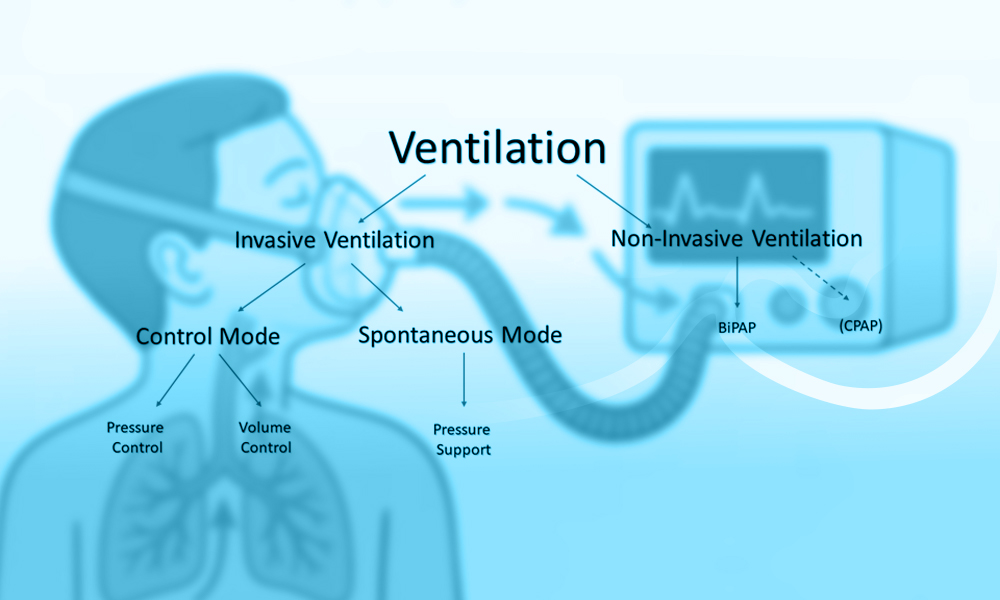
Non-invasive ventilation (NIV) helps people breathe without inserting tubes into their airways. It supports breathing by delivering air through a mask or similar device. NIV is used for patients with breathing difficulties caused by various conditions. It provides relief and improves oxygen levels without surgery or invasive methods.
How Non-invasive Ventilation Works
NIV delivers pressurized air through a mask covering the nose or mouth. This air helps keep the airways open and assists lung expansion. The machine adjusts air pressure to match the patient’s breathing needs. It reduces the effort needed to breathe and improves oxygen intake. This method avoids the discomfort and risks of invasive ventilation.
Types Of Non-invasive Ventilation
- Continuous Positive Airway Pressure (CPAP):Provides steady air pressure to keep airways open during sleep or breathing issues.
- Bilevel Positive Airway Pressure (BiPAP):Offers two levels of pressure: higher during inhalation and lower during exhalation for comfort and support.
- Adaptive Servo-Ventilation (ASV):Adjusts pressure automatically to stabilize breathing patterns, often used in complex cases.
Common Devices Used
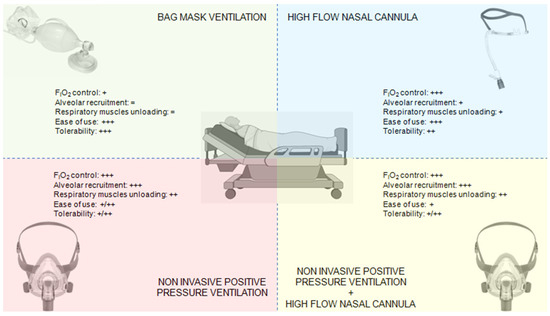
- Face Masks:Cover nose and mouth or just the nose. They connect to the ventilation machine.
- Nasal Pillows:Fit directly into the nostrils and are less bulky than masks.
- Ventilators:Machines that control airflow and pressure based on patient needs.
- Humidifiers:Add moisture to air, preventing dryness and irritation.
Who Needs Non-invasive Ventilation
Non-Invasive Ventilation (NIV) is a valuable treatment option, but it’s not for everyone. Understanding who benefits most from NIV can help you recognize its role in managing breathing difficulties. Whether you’re a patient, caregiver, or healthcare professional, knowing the right candidates for NIV is crucial for effective care.
Medical Conditions Treated
NIV is commonly used to support patients with certain respiratory and neurological conditions. It helps people with chronic obstructive pulmonary disease (COPD) during flare-ups, easing the work of breathing. Patients with sleep apnea also rely on NIV devices, like CPAP or BiPAP machines, to maintain airway openness during sleep.
Other conditions include:
- Acute respiratory failure where oxygen alone is insufficient
- Neuromuscular diseases such as amyotrophic lateral sclerosis (ALS) that weaken respiratory muscles
- Chest wall deformities that restrict lung expansion
- Congestive heart failure causing fluid buildup in the lungs
Have you ever wondered why some patients improve dramatically with NIV, while others do not? The answer often lies in the underlying medical condition and how NIV addresses the specific breathing problem.
Patient Selection Criteria
Choosing the right patient for NIV involves more than just identifying a medical condition. Doctors look at clinical signs like the ability to protect the airway and the level of consciousness. NIV isn’t suitable for those who cannot cooperate or who have excessive secretions that can’t be cleared.
Other key factors include:
- Severity of respiratory distress and blood gas levels
- Patient’s comfort and tolerance of the mask interface
- Absence of facial trauma or deformities preventing mask fit
- Support system at home or hospital for monitoring and assistance
Imagine a patient with COPD who struggles to breathe during a flare-up. If this patient is alert, can clear secretions, and tolerates the mask well, NIV can reduce the need for invasive ventilation. But if the patient is confused or unable to clear mucus, NIV might not be the best choice.
Benefits Of Non-invasive Ventilation
Non-Invasive Ventilation (NIV) offers several clear benefits that can make a significant difference for patients needing respiratory support. It provides effective breathing assistance without the complications linked to invasive procedures. Understanding these benefits can help you appreciate why NIV is often the preferred choice in many clinical situations.
Advantages Over Invasive Methods
NIV avoids the need for intubation, which means there’s no tube inserted directly into the windpipe. This reduces the risk of infections and other complications like vocal cord damage. Because the airway remains natural, it’s easier to manage and less likely to cause trauma.
Another key advantage is that NIV can often be started quickly and removed just as easily. This flexibility means you can receive support tailored exactly to your needs without long-term commitment to invasive devices. It also shortens hospital stays and lowers healthcare costs.
Improved Patient Comfort
Since NIV uses masks or similar interfaces placed over the nose or mouth, it feels less restrictive than a breathing tube. Many patients report feeling less anxious and more in control when using NIV. You can even talk, eat, and drink without removing the device, which helps maintain a sense of normalcy.
Comfort isn’t just about physical ease—it also impacts recovery. When you feel comfortable, your body can focus more on healing rather than dealing with stress or pain. Have you ever noticed how much easier it is to recover when you’re relaxed? That’s exactly what NIV helps to achieve.

Credit: www.youtube.com
Getting Started With Non-invasive Ventilation
Starting with non-invasive ventilation (NIV) can feel overwhelming, but understanding the basics helps ease the process. You’ll quickly find that setting up and adjusting the equipment to fit your needs is key to gaining comfort and effectiveness. Let’s break down what you need to do first to get your NIV experience off on the right foot.
Setting Up The Equipment
Begin by placing the ventilator machine on a stable surface near your bed or chair. Make sure it’s plugged into a power source and that you have easy access to the controls. Connect the tubing from the machine to the mask, ensuring all connections are tight to avoid air leaks.
Check the humidifier if your device includes one. Adding moisture can prevent dryness in your airways, which is common during NIV use. Don’t forget to keep the device clean—regular maintenance avoids infections and keeps everything working smoothly.
Mask Types And Fitting
Choosing the right mask is crucial. You’ll find nasal masks, full-face masks, and nasal pillows designed to fit different preferences and facial shapes. The best mask fits snugly but doesn’t cause pressure sores or discomfort.
Try different sizes and styles if possible. A good fit means less air leaks and better therapy results. Pay attention to how the mask feels when you breathe and move your head. If you notice red marks or pain, adjust the straps or try another mask.
Adjusting Settings For Comfort
Your comfort depends largely on how the pressure and other settings are adjusted. Most machines allow you or your healthcare provider to set the pressure levels based on your breathing needs. Start with lower pressures and increase gradually as you get used to the sensation.
Many devices offer ramp features that start with low pressure and slowly increase to the prescribed level. This can make falling asleep easier. Don’t hesitate to experiment with these settings and ask your provider for help if you feel discomfort or dryness.
Have you noticed how small changes in fit or pressure can make a big difference in comfort? Paying attention to these details helps you stick with NIV and gain its full benefits.
Common Challenges And Solutions
Non-Invasive Ventilation (NIV) offers many benefits but also comes with challenges. Users often face issues that can affect comfort and therapy success. Understanding common problems helps find simple solutions. This section highlights frequent challenges and ways to manage them effectively.
Dealing With Air Leaks
Air leaks cause discomfort and reduce NIV effectiveness. They happen when the mask does not fit well. Small gaps around the nose or mouth allow air to escape. This may cause noise and dry eyes.
- Check mask size and shape for a better fit.
- Adjust straps gently without over-tightening.
- Use mask liners or cushions to seal gaps.
- Try different mask types like nasal or full-face masks.
Proper fitting reduces leaks and improves therapy comfort.
Managing Skin Irritation
Skin irritation appears due to mask pressure and moisture. It can cause redness, soreness, or rashes. Sensitive skin needs extra care to avoid wounds.
- Clean the face and mask regularly to prevent irritation.
- Use soft padding under mask straps to reduce pressure.
- Apply barrier creams or protective dressings on the skin.
- Take short breaks from the mask if possible.
Good hygiene and gentle care keep skin healthy during NIV use.
Improving Sleep Quality
Sleep problems may arise using NIV. Noise, mask discomfort, and air pressure can disrupt rest. Better sleep supports healing and daily energy.
- Choose a quiet NIV machine with low sound levels.
- Practice wearing the mask before bedtime.
- Adjust pressure settings with help from healthcare providers.
- Create a calm, dark, and cool bedroom environment.
These steps help users sleep better with NIV therapy.
Credit: www.mdpi.com
Monitoring And Follow-up
Monitoring and follow-up are vital parts of non-invasive ventilation (NIV) therapy. They ensure the treatment works well and helps patients breathe easier. Regular check-ups allow doctors to adjust settings and catch any issues early. This ongoing care helps improve comfort and health over time.
Tracking Treatment Effectiveness
Doctors use several methods to track how well NIV is working. They check oxygen levels and carbon dioxide removal. Sleep studies may show if breathing improves during rest. Patients might keep a diary of symptoms and daily energy. Data from the NIV machine helps identify any problems with usage or pressure settings.
- Oxygen saturation monitoring
- Sleep quality assessments
- Patient symptom logs
- Machine usage reports
When To Seek Medical Advice
Patients should contact their doctor if they notice new or worsening symptoms. Signs include increased shortness of breath, headaches, or fatigue. Issues like mask discomfort or air leaks also need attention. Early consultation prevents complications and keeps therapy effective.
Future Trends In Non-invasive Ventilation
Non-Invasive Ventilation (NIV) supports breathing without inserting tubes into the airway. Future trends focus on improving comfort, efficiency, and technology. Enhanced devices aim to provide better patient outcomes and ease of use.
As non-invasive ventilation (NIV) technology evolves, we find ourselves on the brink of exciting advancements that promise to enhance patient care and comfort. The future of NIV is bright, with innovations that could transform the way patients with respiratory conditions are treated. Let’s explore some of these future trends that are set to make a significant impact.Technological Advances
The integration of artificial intelligence in NIV devices is one of the most promising trends. AI can optimize ventilation settings in real-time, based on a patient’s respiratory patterns. This personalization ensures that you receive the best possible care without constant manual adjustments. Portable and wireless NIV devices are also gaining traction. They offer increased mobility and freedom for patients, allowing you to maintain your lifestyle while receiving necessary treatment. Imagine being able to travel or go about your daily activities without being tethered to a bulky machine.Emerging Applications
NIV is expanding beyond traditional uses, finding applications in novel areas of medicine. For instance, it is being explored as a first-line treatment for conditions like chronic obstructive pulmonary disease (COPD) exacerbations. This could potentially reduce hospital admissions and improve your quality of life. There’s also growing interest in using NIV for sleep apnea management. With advancements in comfort and efficacy, more patients are likely to adopt this non-invasive option. Could this be the key to a better night’s sleep for you or your loved ones? As we look to the future, it’s clear that non-invasive ventilation is not just evolving—it’s poised to revolutionize respiratory care. What will these innovations mean for your health journey?Frequently Asked Questions
What Is Non-invasive Ventilation Used For?
Non-invasive ventilation supports breathing without a tube in the airway. It treats conditions like COPD, sleep apnea, and respiratory failure. This method improves oxygen levels and reduces breathing effort safely and comfortably.
How Does Non-invasive Ventilation Work?
Non-invasive ventilation delivers air through a mask or nasal prongs. It helps keep airways open and supports lung function. This assists patients in breathing more easily without invasive procedures.
What Are The Benefits Of Non-invasive Ventilation?
Non-invasive ventilation avoids intubation risks, reduces infections, and improves comfort. It allows easier communication and eating compared to invasive ventilation. This method often shortens hospital stays and enhances recovery.
Who Can Use Non-invasive Ventilation?
Patients with respiratory diseases like COPD, asthma, or sleep apnea can use it. It is also helpful for those with acute respiratory failure. Doctors decide based on individual health needs and conditions.
Conclusion
Non-invasive ventilation helps many people breathe better without surgery. It uses masks or devices that support your breathing gently. This method is often safer and more comfortable than other options. Patients can stay active and recover faster with this care.
Understanding how it works can ease worries about breathing problems. Talk to a doctor to learn if this treatment suits your needs. Breathing easier is possible with the right support and care.



