
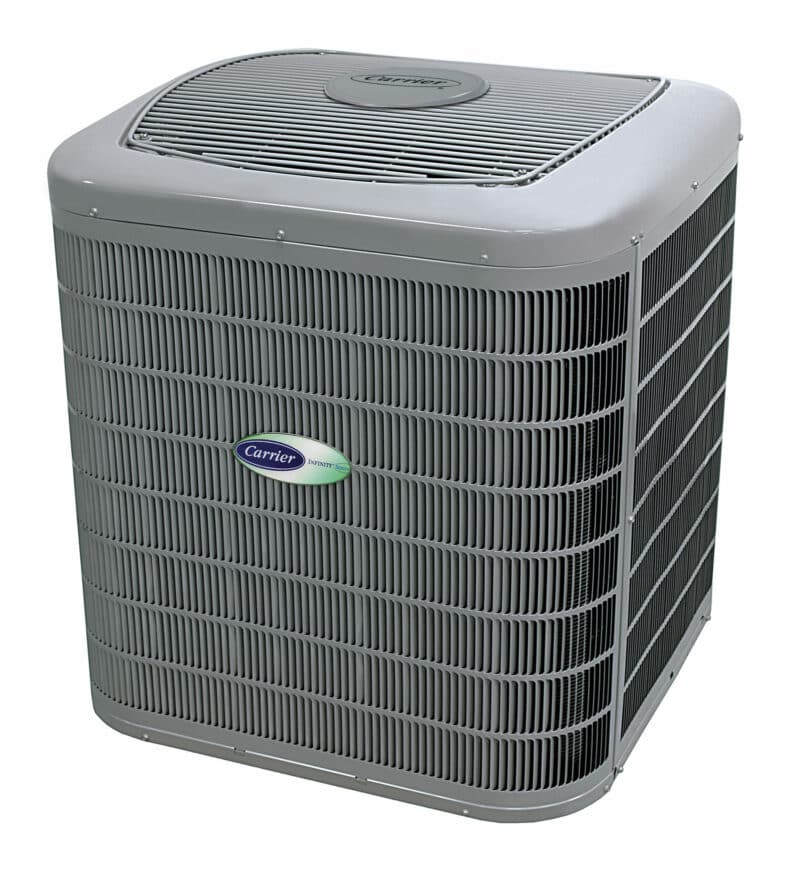
Have you ever wondered how your home stays cool and comfortable during the hottest days? The answer lies in your air conditioning unit.
This small but powerful device works quietly in the background, turning warm air into refreshing coolness. Understanding what an air conditioning unit is and how it works can help you make smarter choices for your comfort and energy bills. Keep reading to discover the secrets behind this essential home appliance and how it can improve your daily life.
Air Conditioning Basics
Air conditioning units cool indoor spaces by removing heat and moisture from the air. They create a comfortable environment during hot weather. Understanding the basics helps choose the right system for your needs. This section breaks down how air conditioners work, their types, and key parts.
How Air Conditioners Work
Air conditioners move heat from inside a building to the outside. They use a cycle of refrigeration to cool air. Warm air from the room passes over cold coils. The air cools down and circulates back into the room. The heat absorbed by the coils is released outside. This process repeats until the room reaches the desired temperature.
Types Of Air Conditioning Units
- Window Units:Installed in windows, cool single rooms.
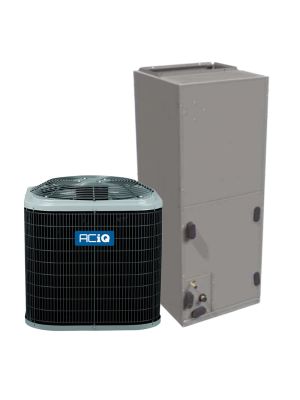
- Split Systems:Have indoor and outdoor parts, cool larger areas.
- Central Air Conditioning:Cools entire buildings through ducts.
- Portable Units:Moveable and good for temporary cooling.
- Ductless Mini-Splits:Offer flexible cooling without ducts.
Key Components
| Component | Function |
|---|---|
| Compressor | Pressurizes refrigerant to release heat outside. |
| Evaporator Coil | Absorbs heat from indoor air. |
| Condenser Coil | Releases heat outside. |
| Expansion Valve | Controls refrigerant flow and pressure. |
| Fan | Circulates air inside and outside the unit. |
Credit: www.acdirect.com
Choosing The Right Unit
Choosing the right air conditioning unit can change how comfortable your home feels during hot days. It’s not just about cooling power; it’s about fitting the unit to your space, budget, and lifestyle. Understanding the main types helps you make a smart choice that keeps your home cool without unnecessary costs or hassle.
Window Vs. Split Systems
Window units are compact and fit directly into a window frame, making them a quick solution for cooling a single room. They’re generally affordable and easy to install, but they can block your view and may be noisy.
Split systems, on the other hand, have two parts: an indoor unit and an outdoor compressor. They offer quieter operation and better cooling for larger areas or multiple rooms. If you want a permanent and less intrusive option, split systems often work better.
Central Air Conditioning Options
Central air conditioning cools your entire home using a network of ducts. This option is efficient for larger houses, providing consistent temperature throughout. However, installing ducts can be expensive and might require professional help if your home isn’t already equipped.
Think about whether you spend most of your time in one or two rooms. If yes, central AC might be more than you need. But if you want even cooling everywhere, it’s a strong choice.
Portable And Ductless Units
Portable units offer flexibility since you can move them between rooms. They don’t require installation, which is great if you rent or want a temporary solution. Keep in mind, though, they usually cool smaller spaces and can be noisy.
Ductless mini-split systems provide the benefits of split systems without ducts. They’re ideal for homes without existing ductwork or for adding cooling to specific areas. Installation is less invasive, and you can control temperatures room by room.
Installation Tips
Installing an air conditioning unit correctly ensures it works well and lasts longer. Proper installation improves cooling and saves energy. This section covers important tips to help with a smooth setup.
Placement Considerations
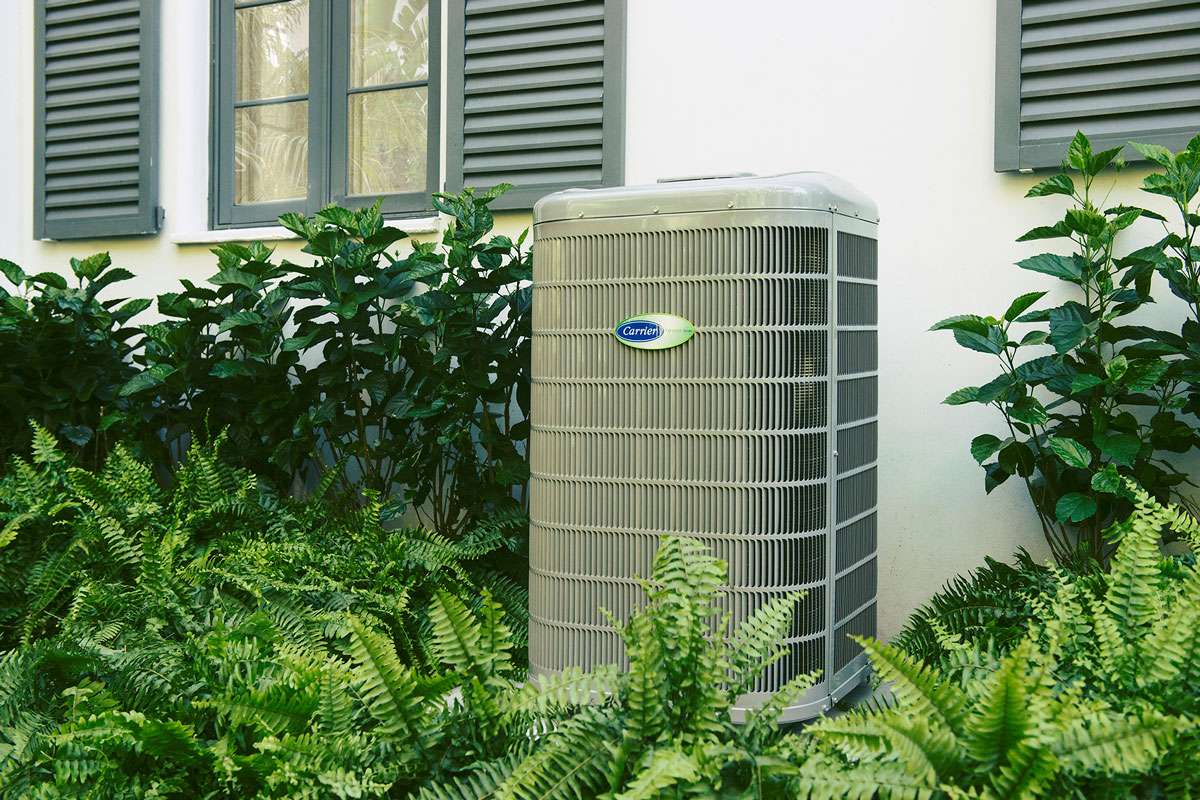
Choose a spot with good airflow and shade. Avoid direct sunlight to reduce energy use. Keep the unit away from heat sources like ovens or heaters. Place it where noise won’t disturb your daily activities. Make sure there is space around the unit for maintenance and repairs.
Professional Vs. Diy Installation
Hiring a professional guarantees safe and correct setup. They know how to handle electrical and refrigerant parts safely. DIY installation may save money but risks mistakes and damage. Professionals offer warranties and can fix problems quickly. Only attempt DIY if you have the right tools and experience.
Common Installation Mistakes
- Placing the unit in direct sunlight, causing overheating.
- Ignoring proper drainage, leading to water damage.
- Using incorrect wiring, risking electrical hazards.
- Installing the unit too close to walls or furniture, blocking airflow.
- Failing to level the unit, which affects performance.
Credit: www.pickheat.com
Energy Efficiency
Energy efficiency is a key factor in choosing an air conditioning unit. Efficient units use less electricity, saving money on bills. They also reduce environmental impact by lowering carbon emissions. Understanding energy efficiency helps select the best system for your needs.
Seer Ratings Explained
SEER stands for Seasonal Energy Efficiency Ratio. It measures how well an air conditioner cools over a season. Higher SEER ratings mean better energy efficiency. For example, a unit with a SEER of 16 uses less energy than one with a SEER of 10. Choosing units with high SEER ratings helps reduce power use and costs.
Energy-saving Features
Modern air conditioners come with features that save energy. Programmable thermostats adjust temperature automatically. Variable speed compressors use only the energy needed. Sleep mode reduces power during the night. These features help lower electricity use without losing comfort.
Cost-effective Cooling Strategies
- Set the thermostat to 78°F (26°C) when home.
- Use fans to circulate air efficiently.
- Close curtains to block sunlight and heat.
- Seal windows and doors to prevent leaks.
- Regularly clean or replace filters for better airflow.
Simple steps like these improve cooling while cutting energy waste.
Maintenance And Care
Proper maintenance and care of your air conditioning unit ensure its efficiency. Regular upkeep extends the unit’s lifespan and enhances performance. Let’s explore key maintenance tips to keep your air conditioner in peak condition.
Cleaning Filters
Cleaning filters is crucial for optimal air conditioning performance. Dirty filters block airflow, reducing efficiency. Clean filters every month during peak usage. Remove the filters and gently wash them with warm water. Let them dry completely before reinstalling.
Seasonal Maintenance Checklist
Seasonal checks help prevent unexpected breakdowns. Use this checklist to maintain your air conditioning unit:
- Check thermostat settings for accuracy.
- Inspect electrical connections for wear and tear.
- Lubricate moving parts to reduce friction.
- Clear debris around the unit for proper airflow.
Troubleshooting Common Issues
Encountering issues with your air conditioner can be frustrating. Here are some common problems and simple solutions:
- Unit not cooling:Check if the thermostat is set correctly.
- Strange noises:Inspect for loose parts or debris inside.
- Water leaks:Ensure the drain line is not clogged.
- Unpleasant odors:Clean the filters and ducts regularly.
Credit: www.absheatingandairconditioning.com
Benefits Beyond Cooling
Air conditioning units do much more than just cool your space. They create a comfortable environment by improving air quality, controlling humidity, and reducing noise. These benefits make living and working indoors more pleasant and healthier.
Improved Air Quality
Air conditioning units filter dust, pollen, and other particles from the air. This helps reduce allergens and keeps the air fresh. Clean air lowers the chance of breathing problems and allergies.
Some units also remove bacteria and mold spores. This creates a healthier indoor environment, especially for people with asthma or respiratory issues.
Humidity Control
Air conditioners regulate indoor humidity by removing excess moisture. This prevents dampness and mold growth. Proper humidity levels protect furniture, walls, and floors from damage.
Balanced humidity also makes the air feel cooler and more comfortable. It helps avoid sticky, uncomfortable feelings during hot weather.
Noise Reduction
Air conditioning units reduce the need to open windows. This helps block outside noise like traffic and street sounds. A quieter room improves focus and relaxation.
Modern units operate quietly, allowing you to sleep or work without distractions. This adds to the overall comfort of your indoor space.
Frequently Asked Questions
What Is An Air Conditioning Unit?
An air conditioning unit cools indoor air by removing heat and humidity. It improves comfort and air quality in homes and offices.
How Does An Air Conditioning Unit Work?
It uses a refrigeration cycle to absorb heat from inside and release it outdoors. This process cools and dehumidifies the air.
What Are The Main Types Of Air Conditioning Units?
Common types include window units, split systems, central air conditioners, and portable units. Each suits different room sizes and needs.
Why Is Regular Maintenance Important For Air Conditioning Units?
Maintenance ensures efficient operation, extends lifespan, and prevents breakdowns. Cleaning filters and checking refrigerant levels are essential tasks.
Conclusion
An air conditioning unit keeps indoor spaces cool and comfortable. It works by removing heat and moisture from the air. Many types exist, such as window, split, and central units. Choosing the right one depends on your space and needs.
Regular maintenance helps the unit run efficiently. Understanding how it works can help you use it better. Stay cool and breathe easy with a good air conditioner.



