
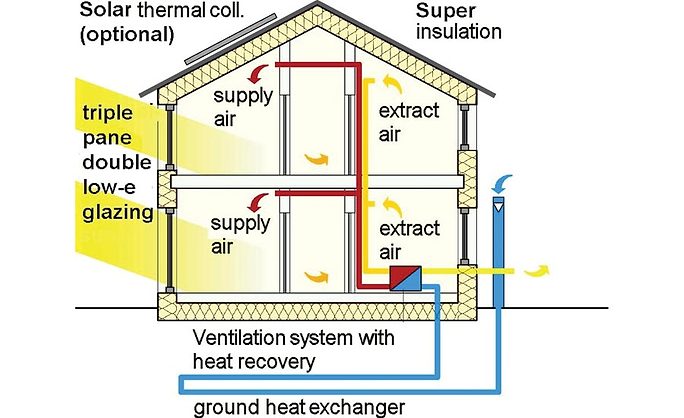
Have you ever wondered how fresh air flows through your home without noisy fans or expensive machines? A passive ventilation system might be the simple answer you’ve been looking for.
It quietly works to keep your space fresh and healthy by using natural airflow. Understanding how this system works can help you improve your indoor air quality and even save on energy bills. Keep reading to discover what a passive ventilation system is and how it can benefit your home.
Passive Ventilation Basics
Understanding the basics of a passive ventilation system can change how you think about airflow in your home or workspace. These systems rely on natural forces rather than mechanical parts, making them energy-efficient and low-maintenance. Knowing how they work and their main components can help you decide if this approach fits your needs.
Key Components
A passive ventilation system includes several crucial parts that work together seamlessly.
- Air Inlets:These allow fresh air to enter the building, usually placed low to capture cooler, denser air.
- Air Outlets:Positioned higher up, these let warm, stale air escape naturally.
- Ventilation Paths:Channels or openings that guide the airflow through the building, ensuring effective circulation.
- Thermal Chimneys or Stack Effect Structures:These create pressure differences that drive air movement without fans.
Each component plays a vital role in maintaining fresh air while keeping energy use minimal.
How It Works
Passive ventilation works by using natural forces like wind and heat to move air through a space. When warm air inside rises, it creates a pressure difference that pulls cooler air in through the lower vents.
This natural airflow replaces stale air with fresh outside air, improving indoor air quality without electricity. Have you noticed how rooms feel fresher after opening windows on a breezy day? That’s passive ventilation at work.
Types Of Passive Ventilation
There are several types of passive ventilation systems, each suited to different building designs and climates.
- Cross Ventilation:Air enters through openings on one side of the building and exits on the opposite side, creating a breeze.
- Stack Ventilation:Uses vertical openings to let warm air rise and exit, drawing cooler air in below.
- Wind-Driven Ventilation:Designed to capture prevailing winds and direct them inside through strategically placed openings.
Choosing the right type depends on your building’s layout and local weather patterns. Which of these could you see working best in your space?
Benefits Of Passive Ventilation
Passive ventilation systems offer many benefits that improve living and working spaces. They use natural airflow to refresh indoor air without mechanical help. This creates a healthier, more comfortable environment. The advantages extend beyond comfort, affecting energy use and costs.
Energy Efficiency
Passive ventilation reduces the need for electric fans and air conditioners. It uses natural forces like wind and temperature differences to move air. This lowers energy consumption and reduces carbon footprints. Buildings stay cooler in summer and warmer in winter with less power.
Improved Air Quality
Fresh air constantly flows through passive ventilation systems. This helps remove indoor pollutants and moisture. Cleaner air reduces allergies and respiratory problems. It also prevents mold growth and keeps spaces feeling fresh and healthy.
Cost Savings
Installing passive ventilation can cut utility bills significantly. Without heavy use of HVAC systems, energy costs drop. Maintenance expenses are also lower because there are fewer moving parts. Over time, these savings add up, making passive ventilation a smart investment.
Design Considerations
Designing a passive ventilation system requires careful thought to ensure it works efficiently and suits your building’s needs. The way you plan the system impacts comfort, energy use, and air quality. Let’s look at key factors that shape how a passive ventilation system performs in real life.
Site Orientation
How your building faces the sun and wind plays a big role in ventilation. Positioning windows and vents to catch prevailing winds can naturally push stale air out and draw fresh air in.
Think about the path of the sun too. Placing openings to avoid direct harsh sunlight can help keep indoor temperatures stable. Have you noticed how a small shift in window placement changes airflow in your home?
Building Materials
The materials you choose affect how air moves and how much heat the building holds. Breathable materials like wood or brick allow moisture and air to pass, improving indoor air quality.
Using dense materials like concrete can trap heat, which might be good in cold climates but problematic in warm ones. Have you ever felt how some walls stay cooler or warmer depending on what they’re made of?
Climate Impact
Your local climate dictates how you set up ventilation. In humid areas, you need to prevent moisture buildup that can cause mold, so airflow must be balanced carefully.
Dry and hot climates benefit from designs that maximize cross-ventilation to cool the space naturally. Could adjusting vents seasonally help you maintain comfort all year round?
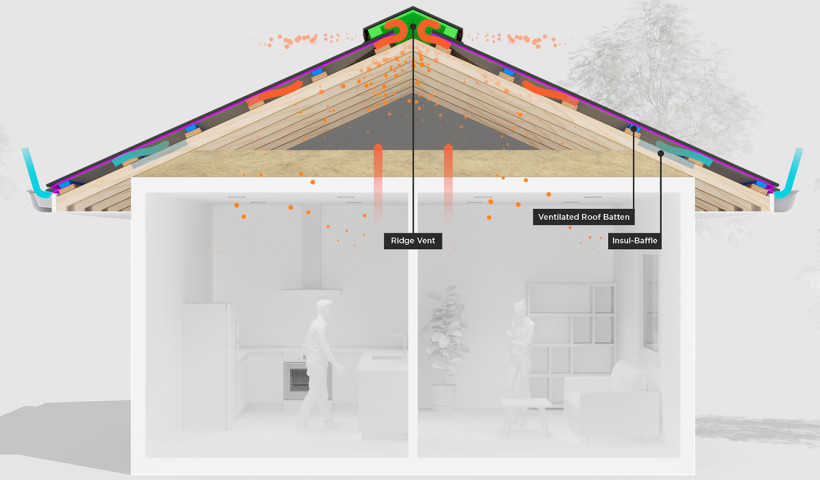
Credit: www.eboss.co.nz
Common Applications
Passive ventilation systems improve air flow without using fans or motors. These systems use natural forces like wind and heat to move air. They help keep spaces fresh and reduce energy costs. Many types of buildings benefit from passive ventilation.
Residential Buildings
Homes use passive ventilation to improve indoor air quality. It helps remove stale air and moisture. This system lowers the need for air conditioning and heating. It is common in bedrooms, kitchens, and bathrooms. Roof vents, window vents, and air bricks are often used. Passive ventilation creates a healthier and more comfortable living space.
Commercial Spaces
Offices and shops rely on passive ventilation to maintain air flow. It reduces energy costs and keeps workers comfortable. Large windows, vents, and atriums help air circulate naturally. This system supports fresh air without noisy fans. It also helps control humidity and odors. Many commercial buildings combine passive and active ventilation for best results.
Industrial Facilities
Factories and warehouses use passive ventilation to remove heat and fumes. It helps protect workers and equipment from harmful air. Large roof vents, wall vents, and louvers guide air through the space. Passive ventilation lowers energy use and improves safety. It is especially useful in areas with heavy machinery and chemicals. This system supports a cleaner and cooler work environment.
Challenges And Limitations
Passive ventilation systems are hailed for their eco-friendly nature and energy efficiency. However, they are not without challenges and limitations. Understanding these drawbacks can help you make an informed decision about whether this system is right for your home or building.
Weather Dependence
Passive ventilation systems rely heavily on natural forces like wind and temperature differences. This means their performance can be unpredictable and inconsistent. On a calm, windless day, you might find your indoor air feeling stuffy. Conversely, during strong winds, the system might over-ventilate, causing discomfort and heat loss. Have you considered how fluctuating weather patterns in your area might affect the efficiency of a passive system?
Maintenance Needs
While passive systems generally require less maintenance than mechanical systems, they are not maintenance-free. Regular checks are needed to ensure vents are clear from debris and functioning properly. Have you thought about the impact of seasonal changes, like falling leaves or snow, on your ventilation system?
Performance Variability
The performance of passive ventilation can vary greatly based on building design and location. A system that works perfectly in one home might be less effective in another. Factors like building orientation and surrounding structures can influence airflow and efficiency. How does your building’s unique characteristics impact its passive ventilation performance?

Credit: ezbreathe.com
Enhancing Passive Ventilation
Enhancing passive ventilation takes your home’s natural airflow to the next level. It’s not just about opening windows or vents anymore. You can improve air quality, comfort, and energy efficiency by smartly boosting how air moves through your space.
Combining With Mechanical Systems
Pairing passive ventilation with mechanical systems gives you control when natural airflow isn’t enough. For instance, a small fan can help push stale air out or pull fresh air in during still days. This blend keeps your indoor air fresh without running large HVAC units constantly.
You might wonder, how does this impact your energy bills? Mechanical assistance uses less power because it only supports, rather than replaces, natural airflow. This balance helps maintain comfort while saving money.
Use Of Ventilation Aids
Ventilation aids like air bricks, trickle vents, or roof ventilators can significantly enhance airflow. They work silently and require little to no maintenance, making them practical additions. Installing these aids in strategic spots improves cross-ventilation and reduces hotspots in your home.
Have you noticed areas in your home where air feels stagnant? Adding ventilation aids there can make a noticeable difference. It’s a simple fix that boosts comfort without complicated changes.
Smart Controls Integration
Smart controls allow you to monitor and adjust ventilation based on real-time conditions. Sensors can detect humidity, temperature, or CO2 levels and open vents or activate fans automatically. This means your home breathes smarter, not harder.
Imagine your house responding to your presence or weather changes without you lifting a finger. Smart controls make that possible, ensuring optimal air quality with minimal effort on your part.
Case Studies And Examples
Exploring real-world examples shows how passive ventilation systems work effectively. Case studies reveal practical benefits and challenges faced during implementation. These stories help understand the system’s impact on comfort, energy savings, and indoor air quality.
Successful Projects
- In a school building in California, passive ventilation reduced cooling costs by 40%.
- A residential complex in Sweden used natural airflow to improve air quality without fans.
- Office buildings in Singapore cut energy use by relying on stack ventilation design.
- Community centers in Kenya used wind-driven ventilation to keep indoor spaces fresh.
- Hospitals in Germany integrated passive vents for better airflow and reduced infections.
Lessons Learned
Proper design is vital to maximize airflow without causing drafts or heat loss. Site conditions such as wind direction and building orientation affect system success.
Regular maintenance ensures vents stay clear of debris and perform well over time. Combining passive with active ventilation sometimes improves results in extreme climates.
User education helps occupants understand how to use windows and vents correctly. Monitoring indoor air quality can reveal if adjustments are needed for comfort and health.

Credit: www.paulheatrecovery.co.uk
Frequently Asked Questions
What Is A Passive Ventilation System?
A passive ventilation system uses natural airflow without fans or mechanical devices. It relies on pressure differences and temperature to circulate fresh air, improving indoor air quality and reducing energy costs efficiently.
How Does Passive Ventilation Improve Indoor Air Quality?
Passive ventilation promotes fresh air exchange by allowing stale air to exit and fresh air to enter. This process helps remove pollutants, humidity, and odors, creating a healthier indoor environment naturally without using electricity.
What Are Common Types Of Passive Ventilation?
Common types include natural ventilation through windows, vents, and trickle vents. Other methods involve chimneys and air bricks that enhance airflow by harnessing wind and temperature differences.
Is Passive Ventilation Energy Efficient?
Yes, passive ventilation is energy efficient as it requires no electrical power. It reduces reliance on air conditioning and mechanical systems, lowering energy bills and carbon footprint sustainably.
Conclusion
A passive ventilation system helps keep buildings fresh without using power. It uses natural airflow to remove stale air and bring in clean air. This system saves energy and reduces costs. It also makes homes healthier and more comfortable. Understanding how it works can help you choose better ventilation options.
Simple, natural, and effective. A smart choice for good indoor air quality.



