
Have you ever wondered how your home stays cool in the summer and warm in the winter? Understanding how an HVAC system works can help you take better care of your comfort and save money on energy bills.
This simple yet powerful system controls the temperature and air quality in your space, making your environment just right. Keep reading, and you’ll discover the secrets behind your HVAC system, so you can feel confident about maintaining it and enjoying a cozy home all year round.
Credit: www.mrcool.com
Basics Of Hvac Systems
Understanding the basics of HVAC systems can make a big difference in how you maintain and use your home comfort system. HVAC stands for Heating, Ventilation, and Air Conditioning. These systems work together to keep your indoor air quality good while controlling temperature and humidity.
Think about the last time you adjusted your thermostat. Did you wonder how the system responded so quickly? Knowing the core parts and types of HVAC systems can help you see what’s happening behind the scenes.
Key Components
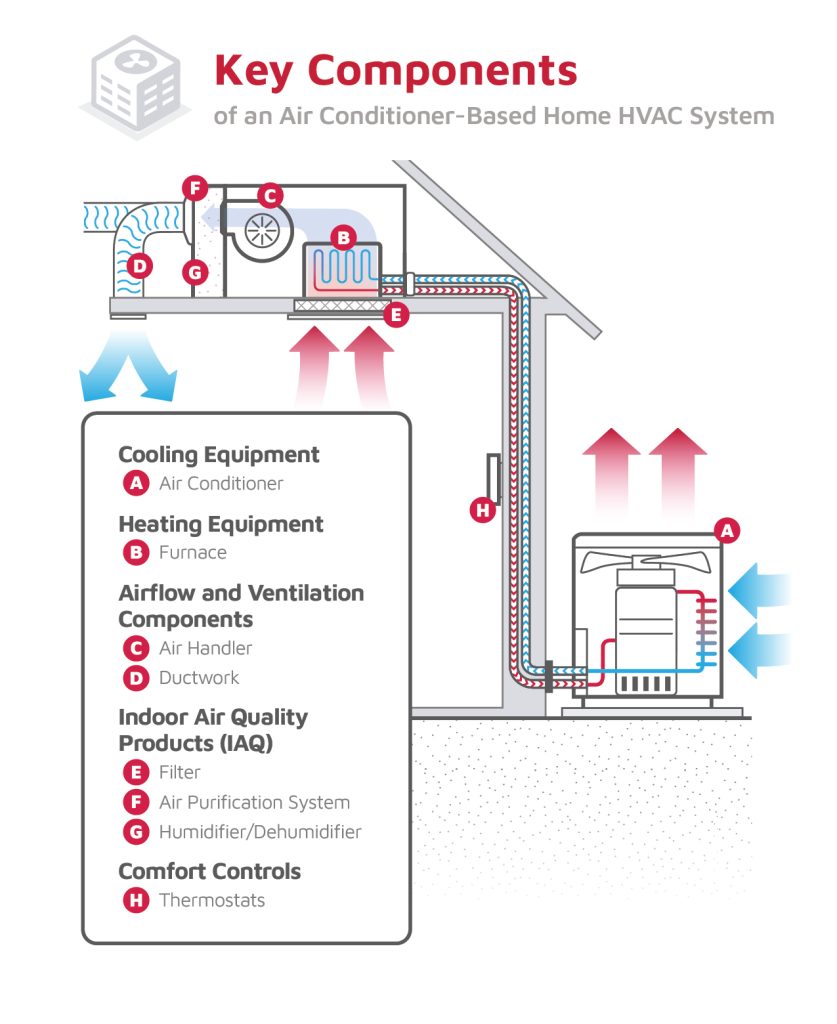
Every HVAC system has a few main parts that work together:
- Thermostat:This is your control center. It senses the temperature and tells the system when to heat or cool.
- Furnace:It heats the air when it’s cold outside. Many furnaces use gas or electricity.
- Air Conditioner:This cools the air in warm weather by removing heat from inside your home.
- Ductwork:A network of tubes that deliver warm or cool air throughout your rooms.
- Ventilation:This part brings in fresh air and removes stale air to keep your indoor air fresh.
Each component plays a crucial role. Missing or faulty parts can reduce efficiency or comfort. Have you checked your system’s filters lately? Dirty filters can block airflow and make your system work harder.
Types Of Hvac Systems
There isn’t just one kind of HVAC system. Here are the most common types you might find:
- Split Systems:These have separate indoor and outdoor units. The indoor unit handles heating or cooling, while the outdoor unit releases heat outside.
- Hybrid Systems:These combine a furnace and heat pump to switch between gas and electric heating, saving energy depending on the season.
- Ductless Systems:Perfect if you don’t have ductwork. They use individual units mounted on walls to cool or heat specific rooms.
- Packaged Systems:All heating and cooling components are combined in one outdoor unit. This works well for smaller spaces or homes without basements.
Knowing which system fits your home can help you choose repairs or upgrades wisely. What type of HVAC system do you have, and is it meeting your comfort needs efficiently?
Heating Process
The heating process in an HVAC system warms your home during cold months. It uses different technologies to generate and distribute heat. This section explains two common heating methods: furnaces and heat pumps. Both work to keep your indoor space comfortable and warm.
Furnace Operation
A furnace burns fuel or uses electricity to create heat. It heats air that circulates through ducts in your home. The thermostat signals the furnace to start heating when the temperature drops.
- Fuel types include natural gas, propane, oil, or electricity.
- Burners ignite fuel, producing heat inside the furnace.
- A heat exchanger warms the air without mixing it with combustion gases.
- The blower pushes warm air through ducts to rooms.
- Cold air returns to the furnace to repeat the cycle.
Furnaces provide quick, strong heat. They work well in very cold climates.
Heat Pumps Explained
Heat pumps move heat instead of creating it. They work like an air conditioner but in reverse during winter. Heat pumps extract warmth from outdoor air or the ground.
- A refrigerant absorbs heat from outside air or soil.
- The system compresses the refrigerant, raising its temperature.
- Warm air is sent inside through ducts or vents.
- The refrigerant cools down and absorbs heat again outside.
Heat pumps save energy by using existing heat. They work best in mild to moderate climates.
Cooling Process
The cooling process in an HVAC system is what keeps your home comfortable during hot days. It involves moving heat from inside your space to the outside, making the air inside cooler and more pleasant. Understanding how this process works can help you better maintain your system and troubleshoot issues.
Air Conditioning Mechanics
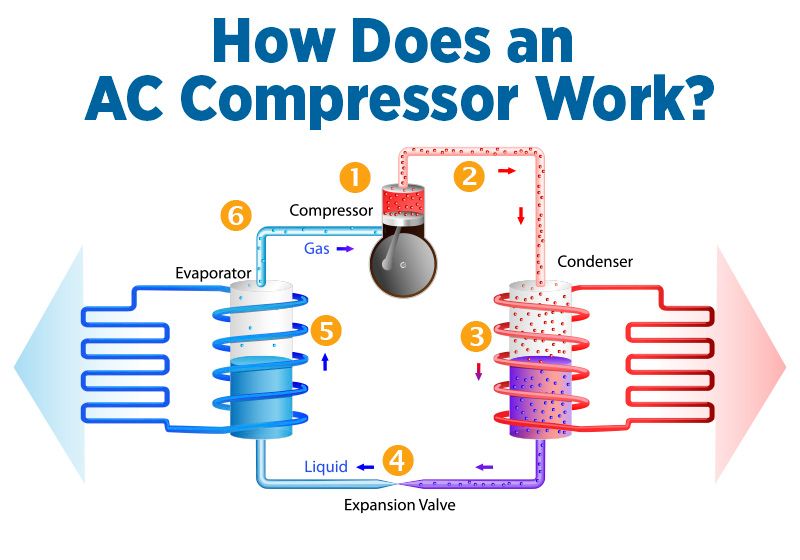
The heart of the cooling process lies in the air conditioner’s ability to absorb heat from your indoor air and release it outside. It uses a loop of components including a compressor, condenser, evaporator coil, and expansion valve to achieve this.
The compressor pumps refrigerant through the system, raising its pressure and temperature. Then, the hot refrigerant flows to the condenser coil where it releases heat to the outside air. After that, the refrigerant passes through the expansion valve, dropping in pressure and temperature before entering the evaporator coil.
Inside the evaporator coil, the cool refrigerant absorbs heat from the indoor air blown over the coil by the fan. This cooled air is then circulated back into your rooms, lowering the temperature. Have you ever noticed how sometimes the air feels less cool even though the AC is running? This could be due to issues in this part of the process.
Role Of Refrigerants
Refrigerants are the special fluids that make cooling possible by changing states from liquid to gas and back. Their ability to absorb and release heat efficiently drives the entire cooling cycle.
Modern refrigerants are designed to be environmentally friendly and energy efficient. They evaporate at low temperatures inside the evaporator coil, pulling heat from the air. Then, they condense back to liquid in the condenser coil, releasing the absorbed heat outside.
Using the right type and amount of refrigerant is critical. Too little refrigerant can cause poor cooling and damage the compressor, while too much can reduce efficiency. Have you checked your AC’s refrigerant levels recently? It’s a simple step that can save you from costly repairs.

Credit: www.youtube.com
Ventilation Importance
Ventilation plays a key role in how an HVAC system works. It ensures fresh air moves through a building. This helps control temperature and remove stale air. Proper ventilation keeps indoor air clean and safe. It also helps reduce moisture and odors. Good ventilation supports health and comfort for all occupants.
Airflow And Quality
Airflow moves fresh air inside and pushes bad air outside. It balances air pressure in rooms. Without enough airflow, air gets stale and stuffy. This lowers air quality and can cause discomfort.
Good airflow helps control humidity and stops mold growth. It also reduces dust, allergens, and pollutants. Clean air improves breathing and overall health. HVAC systems use fans and ducts to manage airflow efficiently.
Ventilation Methods
There are several ways to ventilate a building. Each method helps bring in fresh air and remove pollutants.
- Natural Ventilation:Uses windows, doors, and vents to let air flow naturally.
- Mechanical Ventilation:Uses fans and ducts to push fresh air inside and stale air out.
- Balanced Ventilation:Combines natural and mechanical methods for steady airflow.
- Exhaust Ventilation:Removes air from kitchens, bathrooms, and other areas with smells or moisture.
- Supply Ventilation:Brings fresh air into a space while pushing out old air through leaks or vents.
Energy Efficiency Tips
Understanding how an HVAC system works can boost energy efficiency. It heats, cools, and ventilates using thermostats and filters. Regular maintenance ensures optimal performance and lowers energy bills.
Maximizing the energy efficiency of your HVAC system is not just a smart way to save on utility bills; it’s also kinder to our planet. Small adjustments and regular care can make a significant difference. By focusing on thermostat settings and maintenance practices, you can ensure your HVAC system runs smoothly and efficiently.Thermostat Settings
Setting your thermostat correctly can make a big impact on energy savings. Consider lowering the temperature by a few degrees during winter nights and raising it slightly in the summer. It might surprise you how your body quickly adapts to these changes, and your energy bills will thank you. Programmable thermostats are a game-changer. They allow you to set specific temperatures for different times of the day. Imagine coming home to a perfectly cooled or heated house without wasting energy while you’re away.Maintenance Practices
Regular maintenance is the backbone of an efficient HVAC system. Have you ever noticed a spike in your energy bill? It might be time to clean or replace your air filters. Dirty filters force your system to work harder, consuming more energy. Scheduling annual check-ups with a professional can catch potential issues before they become costly repairs. A simple tune-up can enhance your system’s efficiency, ensuring that it runs at its best all year round. Think about the last time you checked your HVAC system. Is it due for some attention? By keeping up with these practices, you ensure that your system remains a reliable and energy-efficient ally in your home.Smart Hvac Technologies
Smart HVAC technologies improve comfort and save energy in homes and offices. These systems use advanced tools and software to control temperature efficiently. They adapt to user habits and environmental changes. This leads to a more balanced indoor climate and lower utility bills.
Smart Thermostats
Smart thermostats learn your schedule and adjust heating and cooling automatically. They connect to Wi-Fi, allowing control from smartphones or voice assistants. Users can set temperature preferences, and the thermostat optimizes energy use accordingly. These devices provide real-time energy reports and maintenance alerts. This helps keep HVAC systems running smoothly and efficiently.
Automation Benefits
Automation in HVAC systems reduces manual adjustments and errors. It keeps temperatures steady, improving comfort throughout the day. Automated systems can detect when rooms are empty and lower energy use. They also respond quickly to weather changes, maintaining ideal conditions. This smart control lowers energy bills and extends system life.
Common Hvac Problems
HVAC systems face common problems that affect comfort and efficiency. These issues can cause your home to feel too hot or cold. They may also increase energy bills and reduce air quality. Understanding these problems helps you spot trouble early.
Signs Of Malfunction
- Unusual noises like banging or rattling
- Weak airflow from vents
- Inconsistent temperatures in rooms
- Foul or strange odors
- Excessive dust or moisture around vents
- Frequent cycling on and off
- Higher energy bills without usage change
Troubleshooting Steps
- Check and replace dirty air filters
- Inspect thermostat settings and batteries
- Clear debris from outdoor units
- Ensure vents and registers are open
- Listen for unusual sounds during operation
- Reset the system breaker if tripped
- Schedule professional maintenance for complex issues

Credit: www.aljazeera.com
Frequently Asked Questions
What Is The Main Function Of An Hvac System?
An HVAC system controls indoor temperature, humidity, and air quality. It heats, cools, and ventilates spaces for comfort and health.
How Does The Hvac Heating Process Work?
Heating happens by warming air through a furnace or heat pump. Warm air circulates via ducts, raising indoor temperatures efficiently.
What Role Does The Air Conditioner Play In Hvac?
The air conditioner cools indoor air by removing heat and moisture. It circulates chilled air for a comfortable environment.
Why Is Ventilation Important In Hvac Systems?
Ventilation replaces stale indoor air with fresh outdoor air. It reduces pollutants, controls humidity, and improves overall air quality.
Conclusion
A HVAC system keeps your home comfortable year-round. It moves air, controls temperature, and removes moisture. The system uses heating, cooling, and ventilation parts to work well. Regular care helps it run smoothly and saves energy. Knowing how it works helps you understand its value.
Simple steps can extend its life and improve air quality. A working HVAC system means a healthier and happier home.



