

Have you ever felt uncomfortable during a long drive because your car seat gets hot and sticky? Ventilated car seats might be the solution you didn’t know you needed.
These seats keep you cool and dry by allowing air to flow through, making every ride more comfortable. If you want to learn how ventilated car seats work and why they could change your driving experience, keep reading. You’ll discover everything you need to know to decide if this feature is right for your car.
How Ventilated Seats Work
Ventilated car seats use smart technology to keep you comfortable. They help air move through the seat, stopping heat and sweat buildup. This makes driving in hot weather much easier. Let’s explore how these seats work to cool and sometimes warm you.
Airflow Mechanism
Ventilated seats have small fans inside the seat cushion and backrest. These fans pull air from outside the seat and push it through tiny holes in the seat cover. This airflow helps remove heat and moisture from your body.
The movement of air keeps your skin dry and fresh. It also reduces the sticky feeling caused by sweat. The seat materials are designed to allow air to pass easily, improving the cooling effect.
Cooling And Heating Features
Most ventilated seats offer both cooling and heating functions. The cooling uses the fans to blow air across your skin. This air helps lower your body temperature during hot days.
Heating works by warming elements inside the seat. These elements use electricity to create heat. You can switch between cooling and heating with a simple control on your car’s dashboard.
Some systems adjust temperature automatically based on cabin conditions. This feature keeps you comfortable without needing to change settings often.

Credit: www.amazon.ca
Benefits Of Ventilated Seats
Ventilated car seats offer more than just a sleek upgrade to your vehicle’s interior. They bring a range of benefits that can transform your daily drive, especially during hot weather or long trips. Understanding these advantages might make you rethink your next car purchase or upgrade.
Enhanced Comfort
Ventilated seats actively circulate air through tiny perforations in the seat material. This airflow helps keep your body cool and reduces sweat buildup, which can make a huge difference on hot days.
Imagine driving in summer without feeling sticky or uncomfortable. That’s exactly what ventilated seats provide—consistent comfort that adapts to your body temperature.
Health Advantages
Prolonged sitting in a hot car can cause discomfort and even skin irritation. Ventilated seats help prevent these issues by reducing moisture and heat around your back and thighs.
This airflow can also improve circulation by preventing excessive sweating and skin inflammation. Have you ever noticed how much better you feel after a cool breeze? Your seat can deliver that feeling too.
Improved Driving Experience
When you’re comfortable, your focus on the road sharpens. Ventilated seats reduce distractions caused by discomfort, letting you drive with more confidence and calm.
Plus, these seats often come with other luxury features that enhance your overall vehicle experience. How much more enjoyable would your daily commute be with a seat that keeps you cool and refreshed?
Types Of Ventilated Seats
Ventilated car seats offer a cool and comfortable ride by allowing air to flow through the seat surface. Different types of ventilated seats serve this purpose in various ways. Understanding these types helps you choose the right option for your car and comfort needs.
Built-in Ventilation
Built-in ventilation comes integrated from the car manufacturer. These seats have small fans or vents inside the seat cushion and backrest. The airflow moves moisture and heat away from the body. This type often works with other seat features like heating and massage. Controls are usually easy to access from the dashboard or seat panel. Built-in options offer seamless design and consistent performance.
Aftermarket Options
Aftermarket ventilated seats are add-ons installed after buying the car. They come as seat covers or full seat replacements with built-in fans. These products fit most car models and connect to the vehicle’s power supply. Installation can be DIY or done by professionals. Aftermarket options provide flexibility and cost savings. They allow drivers to upgrade existing seats without replacing the whole interior.
Materials And Design
Ventilated car seats blend smart materials with clever design to keep you cool and comfortable, especially during long drives or hot weather. The choice of materials directly affects breathability and durability, while the design dictates how well air circulates through the seat. Understanding these factors helps you pick seats that truly enhance your driving experience.
Leather Vs Fabric
Leather seats look sleek and feel luxurious, but they can trap heat if not ventilated properly. Ventilated leather seats use tiny holes to allow air to flow, preventing that sticky, sweaty feeling. Fabric seats, on the other hand, naturally breathe better and feel cooler, but they may wear out faster and absorb odors more easily.
Think about your daily routine: do you prefer the easy wipe-clean surface of leather or the softer, cooler touch of fabric? Your choice here impacts how effective the ventilation system feels on hot days.
Perforation Patterns
Perforation isn’t just about looks; it plays a big role in airflow. Different patterns—like small circular holes or elongated slots—affect how air moves through the seat. Some designs focus on larger holes for maximum breathability, while others use tighter patterns to keep the seat sturdy and durable.
Have you noticed that some ventilated seats feel cooler in certain areas? That’s often due to the perforation layout targeting hotspots like the back or thighs. Paying attention to these details can help you choose seats that match your comfort needs perfectly.
Installation And Maintenance Tips
Ventilated car seats add comfort during hot days. Proper installation and maintenance ensure they function well. This guide offers practical tips for installing and maintaining these seats effectively.
Cleaning Procedures
Regular cleaning is vital for ventilated car seats. Dust and dirt can block air vents. Use a vacuum with a soft brush attachment. Carefully remove debris from the seat surface. For stains, use a mild detergent mixed with water. Gently dab the stained area with a soft cloth. Avoid soaking the seat to prevent damage.
Rinse the cloth and wipe the seat again. Let the seat dry completely before use. Regular checks help maintain cleanliness and functionality.
Troubleshooting Common Issues
Problems can arise with ventilated seats. Check the power connection first. Ensure the seat is securely plugged in. If the fan doesn’t work, inspect for blockages. Use a flashlight to look inside the vents. Clear any visible obstructions.
If issues persist, consult the car’s manual. It may provide specific troubleshooting steps. For persistent problems, contact a professional. Proper care extends the life of your ventilated seats.
Cost And Value
Ventilated car seats offer comfort by circulating air through the seat surface. They come at different price points and provide value beyond just cooling. Understanding cost and value helps decide if they suit your needs and budget.
Price Range
Ventilated car seats usually cost more than standard seats. Prices vary based on car make, model, and seat material. Basic versions start around $200 to $500 per seat. Luxury or custom options can exceed $1,000 per seat. Installation might add extra costs if not included.
Long-term Benefits
These seats improve comfort during hot weather, reducing sweat and discomfort. They can help reduce fatigue on long drives. Proper ventilation may protect seat material from wear and tear. In some cars, ventilated seats increase resale value. They offer a small energy saving compared to air conditioning use. Overall, they add lasting comfort and potential savings over time.
Popular Car Models With Ventilated Seats
Ventilated car seats offer a cool and comfortable ride by circulating air through tiny perforations. This feature is becoming more common across various car types. Many popular car models now include ventilated seats to enhance driver and passenger comfort during hot weather.
Luxury Vehicles
Luxury car brands often lead with ventilated seats. These vehicles provide advanced climate control for a premium feel. Some popular luxury models include:
- Mercedes-Benz S-Class
- BMW 7 Series
- Audi A8
- Lexus LS
- Cadillac Escalade
These models combine ventilated seats with other comfort features. They deliver a smooth, pleasant drive in warm climates.
Mid-range Options
Mid-range cars also offer ventilated seats in select trims. These options bring comfort to more drivers without luxury prices. Notable models include:
- Honda Accord
- Toyota Camry
- Ford Edge
- Chevrolet Malibu
- Hyundai Sonata
Ventilated seats in these cars improve daily driving comfort. They make summer drives less tiring and more enjoyable.
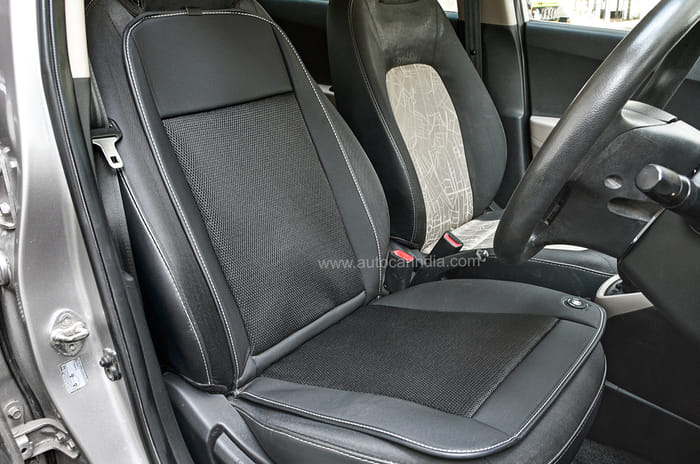
Credit: www.autocarindia.com

Credit: www.seatcoversolutions.com
Frequently Asked Questions
What Are Ventilated Car Seats?
Ventilated car seats have built-in fans that circulate air through the seat. This helps keep the driver and passengers cool, especially in hot weather. They improve comfort by reducing sweat and heat buildup during long drives.
How Do Ventilated Car Seats Work?
These seats use small fans or air channels inside the cushion. They pull in air from outside or cabin air and blow it through perforations in the seat. This airflow cools the surface and helps evaporate moisture for comfort.
Are Ventilated Car Seats Better Than Heated Seats?
Ventilated seats cool the body, while heated seats provide warmth. Ventilated seats are ideal for hot climates or summer driving. Heated seats are better for cold weather. Some cars offer both for year-round comfort.
Do Ventilated Car Seats Improve Driving Comfort?
Yes, they enhance comfort by reducing sweating and overheating. This prevents discomfort and distraction during drives. Cooler seating helps maintain focus and relaxation, making long trips more enjoyable.
Conclusion
Ventilated car seats help keep you cool and comfortable. They use small fans to move air through the seat. This feature works well in hot weather. It reduces sweat and makes driving more pleasant. Many cars now offer these seats as an option.
They add value and improve your ride experience. Choosing ventilated seats means better comfort on long drives. They help maintain a fresh feeling inside the car. Consider them if you want a cooler, dryer seat. Simple but effective for all your travel needs.



