
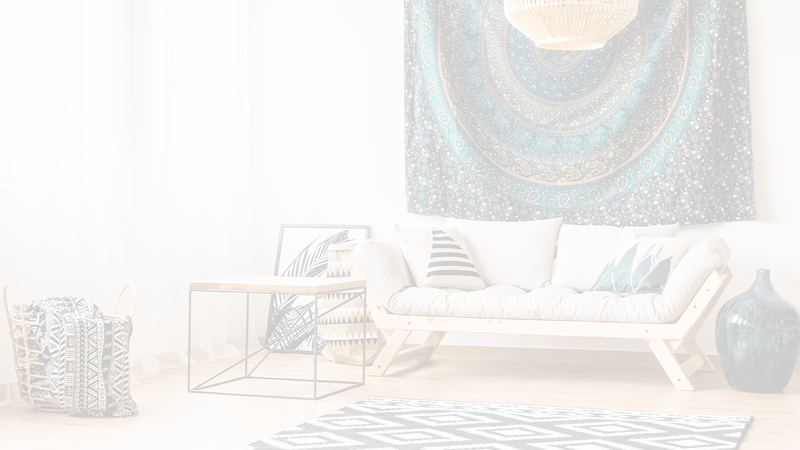
Are you looking to add a splash of color and personality to your room without spending a fortune? Hanging a tapestry on your wall is one of the easiest and most effective ways to do just that.
But how do you hang a tapestry so it looks great and stays put? You might worry about damaging your walls or not knowing the right tools to use. Don’t worry — this guide will walk you through simple, practical steps to hang your tapestry securely and beautifully.
Keep reading, and you’ll soon have a stunning wall display that transforms your space instantly.

Credit: aboderie.co.uk
Choose The Right Tapestry
Choosing the right tapestry is the first and most important step to make your wall look stunning. The right tapestry not only fits the space but also complements your room’s vibe. Think about what you want to express and how the tapestry will interact with other elements in your space.
Size And Shape Considerations
Measure your wall before picking a tapestry. A tapestry that’s too small might get lost, while one that’s too large can overwhelm the room.
Think about the shape as well. Rectangular tapestries work well for long walls, while square or circular ones can highlight specific areas like above a bed or sofa.
Have you ever hung a tapestry only to realize it didn’t fill the space as you imagined? Avoid this by visualizing how the tapestry will look from different angles and distances.
Material Types
The material affects both the look and durability of your tapestry. Cotton tapestries are lightweight and easy to hang, making them great for beginners.
Wool or woven tapestries add texture and warmth but may require sturdier hanging methods. Polyester or synthetic blends often resist fading, ideal for rooms with lots of sunlight.
Think about your lifestyle—do you want something easy to clean or a piece that feels more artisanal? Your choice of material will guide this decision.
Design And Color Selection
Choose a design that speaks to your personality and fits your room’s style. Bold, geometric patterns can energize a space, while floral or abstract designs add softness.
Color matters. A tapestry with vibrant colors can become the room’s focal point, but softer tones help create a calming atmosphere.
Ask yourself: Do you want your tapestry to stand out or blend in? This will influence your design and color choices dramatically.

Credit: www.youtube.com
Select The Best Location
Choosing the perfect spot to hang your tapestry can make all the difference in how it transforms your space. It’s not just about finding an empty wall; it’s about creating a focal point that complements the room’s atmosphere and style. Let’s look at some key factors to consider before you start hammering nails.
Wall Space Assessment
Start by looking for a wall that has enough clear space to showcase your tapestry fully. Avoid walls cluttered with shelves, light switches, or other decorations that compete for attention. Measure your tapestry and compare it to the available wall space to ensure it fits comfortably without looking cramped.
Think about the wall’s height too—tapestries often work best when hung at eye level or slightly above. If you’re unsure, try holding the tapestry up and stepping back to see how it feels in the space.
Lighting Effects
Lighting can highlight your tapestry’s colors and textures or make them fade into the background. Natural light brings out vibrant hues but can cause fading over time if the fabric is delicate. Consider placing your tapestry where it gets indirect sunlight or use soft artificial lighting to protect it.
Experiment with spotlights or wall washers to create dramatic effects that draw the eye. Have you noticed how the right lighting can turn a simple wall hanging into a stunning centerpiece?
Room Style Compatibility
Your tapestry should feel like it belongs in the room, not like an afterthought. Match its colors and patterns with your existing décor to create harmony. For example, a bold, colorful tapestry can add energy to a minimalist room, while a subtle, neutral piece might fit better in a cozy, traditional space.
Ask yourself if the tapestry complements your furniture and other wall art. Sometimes, mixing styles can work, but only if done thoughtfully to avoid visual chaos.
Gather Hanging Supplies
Gathering the right hanging supplies makes tapestry mounting easy and secure. Choose hooks, nails, or adhesive strips based on your wall type and tapestry weight. Proper tools ensure your tapestry stays flat and looks great on any wall.
Gathering the right supplies is the first step to successfully hanging a tapestry on your wall. The process is straightforward, but having the appropriate materials can make all the difference. Whether you want a temporary display or a permanent fixture, selecting the right tools is crucial.Hooks And Nails Options
One of the most common ways to hang a tapestry is by using hooks or nails. These options offer strong support and are particularly useful for heavier tapestries. Wall hooks can be both decorative and functional, adding an extra flair to your display. Nails, on the other hand, offer a more minimalist approach. Ensure that the nails or hooks you choose are appropriate for the weight and size of your tapestry to prevent any mishaps.Adhesive Alternatives
Adhesive solutions are perfect for those who prefer not to make holes in their walls. Command strips are a popular choice; they’re easy to use and leave no residue. They work best with lighter tapestries, so consider the weight before opting for this method. If you’ve ever had to patch up a wall after removing nails, you’ll appreciate the clean removal of adhesive options.Tools You’ll Need
Gathering the right tools ahead of time can save you a lot of hassle. A tape measure is essential for ensuring your tapestry hangs straight and centered. A level can help you confirm that your tapestry is perfectly aligned. Consider keeping a pencil handy to mark where you’ll place your hooks or nails. These small preparations can make the task smoother and more enjoyable. Have you ever struggled with hanging a piece of art or decor? Getting the right supplies in order can transform what seems like a daunting task into a rewarding experience.Prepare The Wall
Preparing the wall is a key step before hanging a tapestry. A clean, well-marked surface ensures the tapestry stays secure and looks great. Taking time here saves effort later. Follow simple steps to get your wall ready.
Cleaning And Surface Prep
Start by wiping the wall with a damp cloth. Remove dust, dirt, and any grease spots. Use mild soap if needed, then dry the area completely. A clean wall helps tapestries stick better and prevents damage.
Check the wall type. For painted or drywall surfaces, avoid rough scrubbing. For textured walls, use a soft brush to clear dust. This step ensures the tapestry hangs smoothly without slipping.
Marking Placement Spots
Decide where the tapestry will hang. Use a pencil to mark spots lightly on the wall. Measure the width and height of the tapestry for even placement.
Mark points for hooks, nails, or adhesive strips. Use a level tool to keep marks straight. Proper marking helps align the tapestry perfectly and avoids uneven hanging.
Hanging Methods
Choosing the right hanging method for your tapestry can make all the difference in how it looks and stays on your wall. Each option offers unique benefits depending on your wall type, tapestry size, and how permanent you want the display to be. Let’s break down some popular and effective ways to hang your tapestry so you can find the perfect fit for your space.
Using Command Strips
Command strips are a great choice if you want to avoid damaging your walls. They hold tapestries securely without nails or hooks, making them perfect for renters or anyone who changes decor often.
Make sure your tapestry is lightweight and your wall is clean before applying the strips. Press firmly and wait the recommended time before hanging to ensure a strong hold. Have you tried these for other wall decorations? They’re surprisingly reliable!
Nails And Hooks Technique
Using nails or hooks is a traditional and sturdy way to hang heavier tapestries. This method works well if you want your tapestry to stay put for a long time.
Place nails or hooks evenly along the top edge of the tapestry to distribute weight and prevent sagging. If you’re worried about wall damage, small picture hooks offer a neat balance between strength and minimal impact.
Rod And Sleeve Approach
This technique involves sewing a pocket (sleeve) along the top edge of your tapestry and sliding a rod through it. It’s a visually clean way to hang your tapestry and keeps the fabric taut.
Once the rod is in place, use brackets or hooks to secure it on the wall. This method is especially good if you want to easily remove or switch tapestries without hassle. Have you seen tapestries displayed like this in galleries? It really highlights the fabric’s design.
Clip And Wire Options
Clips attached to a wire stretched across the wall give you flexibility and a casual look. This method suits tapestries of various sizes and allows for easy rearranging.
You can use curtain clip rings or binder clips to hold the tapestry, then hang the wire with hooks or nails. It’s perfect if you like changing your wall art frequently or want to layer multiple pieces together.
Adjust And Secure The Tapestry
Adjusting and securing your tapestry properly makes all the difference in how it looks on your wall and how long it stays put. This stage ensures your tapestry hangs smoothly without wrinkles, stays level, and stays anchored firmly. Paying close attention here helps your tapestry become a stunning focal point rather than just a piece of fabric on the wall.
Smoothing Wrinkles
Wrinkles can distract from the beauty of your tapestry and make it look messy. To smooth them out, gently pull the fabric taut from the edges while it’s hanging. You can also use a handheld steamer or iron on low heat with a cloth barrier to relax stubborn creases.
Have you noticed how even a small wrinkle can change the whole vibe of a room? Taking a few extra minutes to smooth your tapestry can dramatically improve its appearance.
Ensuring Level Hanging
Nothing looks worse than a crooked tapestry. Use a level tool or a smartphone app to check that your tapestry is perfectly horizontal. Adjust the hanging points slightly until the tapestry hangs straight.
Try standing back and viewing your tapestry from different angles. Does it look balanced? Sometimes small tweaks make a big difference in visual appeal.
Additional Anchoring Tips
- Use extra hooks:If your tapestry is large or heavy, add additional hooks along the top edge to distribute weight evenly.
- Command strips:These work well on smooth walls and avoid nail holes, but make sure to choose the right size for your tapestry’s weight.
- Velcro strips:Attach one side to the wall and the other to the tapestry for a secure hold that’s easy to remove.
- Clips or rods:Consider using a decorative rod or clip system to hang your tapestry, which can provide more stability and style.
Are you confident your tapestry will stay put through the seasons? Trying different anchoring methods can help you find the best fit for your wall and tapestry type.
Care And Maintenance
Taking good care of your tapestry ensures it stays vibrant and beautiful for years. Proper maintenance not only preserves the fabric but also protects the artwork and colors you love. Here are some practical tips to help you care for your tapestry effectively.
Cleaning Tips
Dust your tapestry regularly using a soft brush or vacuum with a low suction setting and a brush attachment. This prevents dirt from settling deep into the fibers. If stains appear, spot clean gently with a damp cloth and mild detergent—avoid soaking the entire tapestry to prevent damage.
For a deeper clean, consider professional textile cleaning. Trying to wash delicate tapestries at home can cause shrinkage or color fading. Have you ever noticed how a small stain left untreated can permanently alter your tapestry’s look? Acting early is key.
Avoiding Sun Damage
Direct sunlight can quickly fade the colors of your tapestry and weaken the fabric. Place your tapestry away from windows or use UV-protective window films to reduce exposure. If moving your tapestry isn’t an option, rotating it periodically helps even out sun exposure.
Think about how your favorite tapestry looked after a summer of bright sunlight—did the colors seem duller? Preventing sun damage preserves the original vibrancy you fell in love with.
Storage Suggestions
When you’re not displaying your tapestry, store it in a cool, dry place to avoid mildew and fabric deterioration. Roll it gently around a tube instead of folding to prevent creases. Wrap it in acid-free tissue paper or a cotton sheet to protect it from dust and insects.
Have you ever pulled out a stored fabric only to find it full of creases or even mold spots? Proper storage can save you from this frustration and keep your tapestry ready for display anytime.

Credit: theancienthome.com
Frequently Asked Questions
How Do You Prepare A Wall For Hanging A Tapestry?
Clean the wall surface and remove any dust or debris. Use a stud finder to locate studs for secure hanging. Mark the desired height and ensure the wall is dry and smooth before installation.
What Tools Do I Need To Hang A Tapestry?
You need a measuring tape, level, hammer, nails or hooks, and optional adhesive strips. For heavier tapestries, use wall anchors or a curtain rod for extra support.
Can I Hang A Tapestry Without Damaging Walls?
Yes, use removable adhesive hooks or strips designed for wall protection. These hold light to medium tapestries and peel off cleanly without leaving marks.
How High Should I Hang A Tapestry On The Wall?
Hang the tapestry so its center is at eye level, roughly 57-60 inches from the floor. Adjust height based on furniture and room layout for best visual appeal.
Conclusion
Hanging a tapestry on the wall is simple and fun. Choose the right spot and method that fits your space. Use nails, hooks, or rods to keep it secure. Adjust the tapestry to hang straight and smooth. This adds color and style to any room fast.
Enjoy your new wall art every day. A little effort makes a big difference in your home. Try different ways until it looks just right. Your wall will feel warm and inviting.



