
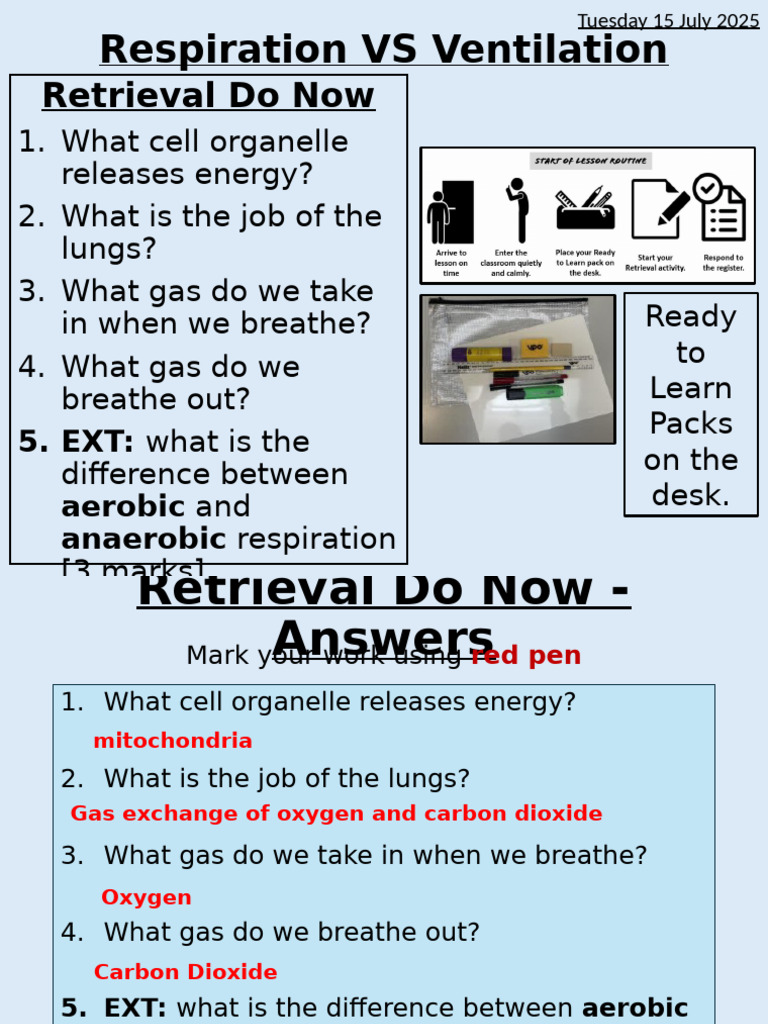
Have you ever wondered what really happens when you breathe? You might think that respiration and ventilation are the same, but they actually play very different roles in keeping your body alive.
Understanding how respiration differs from ventilation can help you better appreciate your body’s amazing functions and even improve your health. Keep reading, because by the end of this article, you’ll clearly see the vital differences and why they matter to you every single day.
Respiration Basics
Understanding respiration is key to grasping how living organisms survive. Respiration is a biological process that helps cells get energy. It involves taking in oxygen and releasing carbon dioxide. This process is different from ventilation, which is just the movement of air in and out of the lungs. Respiration happens inside cells and is vital for life.
Cellular Respiration Process
Cellular respiration happens inside the cell’s mitochondria. Cells use oxygen to break down glucose, a type of sugar. This breakdown releases energy stored in glucose. The process creates carbon dioxide and water as waste products. Energy is captured in a molecule called ATP, which cells use for work.
Types Of Respiration
- Aerobic respiration:Requires oxygen and produces more energy.
- Anaerobic respiration:Occurs without oxygen and produces less energy.
Both types help organisms survive in different environments. Aerobic is common in humans and animals. Anaerobic happens in some bacteria and muscle cells during intense activity.
Role In Energy Production
Respiration is the main way cells get energy. The ATP produced powers all cell activities. Without respiration, cells cannot function or grow. Energy from respiration supports movement, repair, and other vital tasks. It keeps organisms alive and active every day.

Credit: www.vhtc.org
Ventilation Essentials
Understanding ventilation is key to grasping how your body handles air and supports life. Ventilation focuses on moving air in and out of the lungs, a process you might take for granted until you notice yourself gasping for breath during exercise or illness. Let’s break down the essentials that make this vital function work seamlessly.
Mechanics Of Breathing
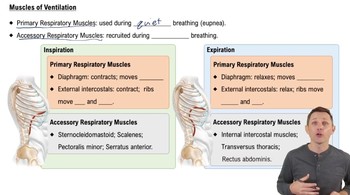
Your body relies on muscles to drive ventilation. The diaphragm, a dome-shaped muscle under your lungs, contracts and flattens to create space for air to enter. At the same time, the intercostal muscles between your ribs expand your chest cavity.
This coordinated action lowers pressure inside your lungs, pulling air in. When these muscles relax, the chest cavity shrinks, pushing air out. Have you ever noticed how deep breaths feel different from quick, shallow ones? That’s your mechanics of breathing adjusting to your needs.
Inhalation And Exhalation
Inhalation is an active process—your muscles work hard to bring oxygen-rich air into your lungs. Exhalation, on the other hand, is mostly passive; your muscles relax and air flows out due to elastic recoil of lung tissues.
However, during intense activities like sprinting, exhalation becomes active too, involving additional muscles to expel air faster. Think about your last workout—did your breathing change as you pushed harder? This shift highlights how your body adapts ventilation effort based on demand.
Lung Function And Airflow
Once air reaches your lungs, it travels through branching tubes called bronchi and bronchioles, reaching tiny air sacs known as alveoli. These alveoli are where oxygen enters your blood and carbon dioxide leaves it.
Airflow depends on the size and openness of these airways. Conditions like asthma narrow these passages, making ventilation harder. Paying attention to how easily you breathe during different activities can tell you a lot about your lung health and airflow efficiency.
Respiration Vs Ventilation
Understanding the difference between respiration and ventilation is crucial for grasping how your body manages oxygen and carbon dioxide. Many people use these terms interchangeably, but they refer to distinct processes. Let’s break down what sets them apart and why both are essential for your survival.
Key Differences
Ventilation is the physical act of moving air in and out of your lungs. It’s what happens when you breathe in and out, involving your diaphragm and chest muscles.
Respiration, on the other hand, refers to the chemical processes that happen inside your cells. This is where oxygen is used to produce energy, and carbon dioxide is created as a waste product.
| Aspect | Ventilation | Respiration |
|---|---|---|
| Definition | Movement of air into and out of lungs | Cellular process of energy production using oxygen |
| Process Type | Mechanical | Chemical |
| Location | Lungs and airways | Inside cells (mitochondria) |
| Purpose | Exchange of gases between air and blood | Energy production and carbon dioxide generation |
Interdependence Of Processes
You can’t have respiration without ventilation. Ventilation delivers the oxygen your cells need and removes carbon dioxide from your bloodstream.
Conversely, respiration drives the need for ventilation. When cells produce carbon dioxide, it signals your body to breathe out this waste. This continuous feedback loop keeps your body balanced.
Common Misconceptions
- Breathing is the same as respiration:Breathing is ventilation, not the cellular process of respiration.
- Ventilation alone keeps you alive:Without cellular respiration, oxygen in your lungs wouldn’t help generate energy.
- Respiration only happens in lungs:It actually happens inside every cell, in mitochondria, where energy is made.
Have you ever caught yourself saying you need to “respire” when you just meant to take a breath? Recognizing these differences can change how you think about your body’s functions and improve your understanding of health and fitness.
Credit: www.pearson.com
Physiological Impact
Understanding the physiological impact helps clarify how respiration and ventilation affect the body. Respiration involves the chemical process of gas exchange inside cells. Ventilation refers to the physical movement of air in and out of the lungs.
Both processes are essential to maintain life. They work together but influence the body in different ways. The next sections explain their roles in oxygen and carbon dioxide exchange, blood chemistry, and adaptations to various conditions.
Oxygen And Carbon Dioxide Exchange
Respiration allows oxygen to enter cells and carbon dioxide to leave. Oxygen moves from the lungs into the blood. Carbon dioxide travels from the blood to the lungs to be exhaled. Ventilation supplies fresh air to the lungs. It removes stale air rich in carbon dioxide. Without effective ventilation, oxygen supply drops and carbon dioxide builds up.
Effects On Blood Chemistry
Respiration controls the levels of oxygen and carbon dioxide in the blood. Oxygen binds to hemoglobin and travels to tissues. Carbon dioxide dissolves in blood as bicarbonate to maintain pH balance. Ventilation adjusts breathing rate and depth to keep blood chemistry stable. Poor ventilation causes blood acidity to increase. This affects enzyme function and cell health.
Adaptations In Different Conditions
The body adapts respiration and ventilation during exercise, altitude, or illness. Exercise increases ventilation to meet oxygen demand. Cells use oxygen faster and produce more carbon dioxide. At high altitudes, ventilation increases to compensate for low oxygen. In lung diseases, ventilation may become inefficient. The body may rely more on cellular respiration adjustments.
Measurement And Monitoring
Understanding how to measure and monitor both respiration and ventilation is crucial for ensuring optimal health. These processes, although related, have distinct roles in the body. Accurate assessment can provide insights into respiratory health and guide necessary interventions. Let’s explore the techniques and methods used to evaluate these critical functions.
Techniques For Ventilation Assessment
Ventilation refers to the movement of air in and out of the lungs. Monitoring this process can be done through several techniques:
- Spirometry:This common technique measures lung function by assessing the volume and speed of air inhaled and exhaled. It’s a key tool in diagnosing conditions like asthma and COPD.
- Peak Flow Meter:A handheld device that measures the peak expiratory flow rate (PEFR). It helps track breathing patterns over time, especially in asthma patients.
- Capnography:This measures the concentration of carbon dioxide in exhaled air, providing real-time data on ventilation status. It’s often used in critical care settings.
Methods To Evaluate Respiration
Respiration involves the exchange of gases at the cellular level. Evaluating this process requires different methods:
- Pulse Oximetry:A non-invasive method that uses a sensor placed on a fingertip to measure oxygen saturation levels in the blood. It’s quick and painless, making it ideal for routine checks.
- Arterial Blood Gas (ABG) Analysis:This test measures the levels of oxygen and carbon dioxide in the blood, as well as blood pH. It provides a comprehensive view of respiratory function and metabolic status.
- Respiratory Rate Monitoring:Simply counting the number of breaths per minute can offer insights into respiratory efficiency and distress.
Clinical Significance
The measurement and monitoring of ventilation and respiration hold significant clinical importance. Accurate assessments can help detect early signs of respiratory distress or disease. This allows for timely interventions that can improve patient outcomes and quality of life.
Have you ever wondered how your breathing patterns might affect your overall health? Next time you take a deep breath, consider the complex processes at work. Understanding these can empower you to maintain better respiratory health and seek help when needed.

Credit: www.reddit.com
Frequently Asked Questions
What Is The Main Difference Between Respiration And Ventilation?
Respiration is a biochemical process that produces energy by breaking down glucose. Ventilation is the physical movement of air in and out of the lungs.
How Does Ventilation Support The Process Of Respiration?
Ventilation supplies oxygen to the lungs and removes carbon dioxide. This exchange is essential for respiration to occur in body cells.
Can Respiration Occur Without Ventilation In The Human Body?
No, respiration requires oxygen delivered through ventilation. Without ventilation, cells cannot get oxygen needed for energy production.
Is Ventilation A Part Of Cellular Respiration?
No, ventilation is a mechanical process involving breathing. Cellular respiration is a chemical process occurring inside cells to generate energy.
Conclusion
Respiration and ventilation serve different roles in breathing. Ventilation moves air in and out of the lungs. Respiration uses oxygen and releases carbon dioxide inside cells. Both processes work together to keep the body alive. Understanding their difference helps in learning about health and biology.
Breathing is simple but involves complex steps. Knowing this can improve how we care for our bodies. It shows how life depends on tiny, important actions. Clear and easy to remember.



