

Choosing the perfect chandelier for your dining space is just the beginning. One big question you might have is: How far should a chandelier hang from your table?
Getting this right isn’t just about looks—it affects the mood, comfort, and even how well you see your meal. If your chandelier is too low, it can block views and feel cramped. Too high, and it won’t create the warm, inviting glow you want.
You’ll discover simple, clear guidelines to find the ideal height that makes your dining area both beautiful and functional. Keep reading to transform your space with the perfect chandelier placement.
Ideal Height Above Table
Finding the ideal height for a chandelier above your dining table can transform the entire room’s atmosphere. Too high, and the lighting feels disconnected; too low, and it can block views and feel intrusive. Striking the right balance helps create a welcoming, well-lit space that invites conversation and comfort.
Standard Distance Recommendations
The most common advice is to hang the chandelier about 30 to 36 inches above the table surface. This range ensures the light is close enough to illuminate the table evenly without obstructing sightlines. If you have a longer table, you might lean toward the higher end of this range to maintain balance.
Think about how you’ll use the space. Are you often hosting dinner parties or using the table for work? Adjusting within this window can cater to your daily needs.
Adjusting For Ceiling Height
Ceiling height plays a big role in where your chandelier should hang. If your ceilings are higher than the standard 8 feet, consider adding about 3 inches for every extra foot above 8 feet to the standard distance. This prevents the chandelier from feeling too low in the room.
In rooms with very high ceilings, you might even need a chandelier with a longer chain or adjustable rods. This way, you keep the chandelier proportionate to the room and the table below.
Considerations For Table Size
The size of your dining table also affects the chandelier height. Larger tables often require larger or multiple light fixtures hung slightly higher to avoid crowding the space. Smaller tables benefit from a chandelier hung a bit lower, creating intimacy and focus.
Also, the shape of your table matters. For round tables, a central chandelier centered at the recommended height works best. Rectangular tables might look better with elongated fixtures or multiple pendants placed evenly to cover the surface.
Chandelier Size And Scale
Choosing the right chandelier size and scale is key for a balanced dining room. The fixture should fit well with the table and the room’s size. A too-large chandelier can overpower the space. A too-small one may look lost and uninviting. Proper scale creates harmony and adds to the room’s style.
Choosing The Right Diameter
Measure your dining table’s length and width first. Add these two numbers together in inches. Use that sum as a guide for your chandelier’s diameter in inches. For example, a 60-inch by 36-inch table adds up to 96 inches. A chandelier around 24 inches wide works best here.
For round tables, pick a chandelier about half the table’s diameter. This keeps the fixture proportional and visually balanced. Avoid chandeliers larger than the table width, which can feel overwhelming.
Balancing Proportions With Furniture
Consider the size of chairs and other nearby furniture. Bulky chairs need a larger chandelier to avoid looking small. Slim, simple chairs pair well with smaller chandeliers.
Room height matters too. High ceilings allow for bigger chandeliers without crowding. Low ceilings need smaller fixtures hung at the right height to keep the space open.
The chandelier’s style also affects scale. Delicate designs appear lighter, while bold fixtures demand more space to shine. Balance these elements for a unified look.
Lighting Effects And Ambiance
Lighting Effects and Ambiance play a crucial role in setting the mood of a room. The right chandelier height can transform your dining experience, making it more inviting and intimate. But how does one decide on the perfect height to enhance the room’s ambiance?
Impact On Room Brightness
Positioning your chandelier correctly affects how well-lit your dining area will be. A chandelier hung too high may not provide enough light, making the room feel dim and unwelcoming. On the other hand, hanging it too low can create harsh shadows, disrupting the harmony of the space.
Consider your room’s natural light sources. Do you have large windows that flood the room with sunlight during the day? If so, you might want your chandelier lower to enhance evening lighting. If your room is naturally darker, a higher position could help distribute light more evenly.
Creating Focal Points
A chandelier can serve as a stunning focal point, drawing the eye and anchoring the room’s design. When placed at the right height, it can highlight a beautiful table setting or artwork on the walls. Imagine walking into a dining room where the chandelier perfectly frames the table, creating a centerpiece that captivates attention.
Think about how your chandelier complements other elements in the room. Does it align with your table’s shape and size? A round chandelier over a round table can unify the space, while a linear chandelier over a rectangular table can create a dramatic effect.
Have you ever walked into a room and immediately felt at ease? The chandelier’s height might have played a part in that. Experiment with different heights to find what feels most comfortable and visually appealing for you.
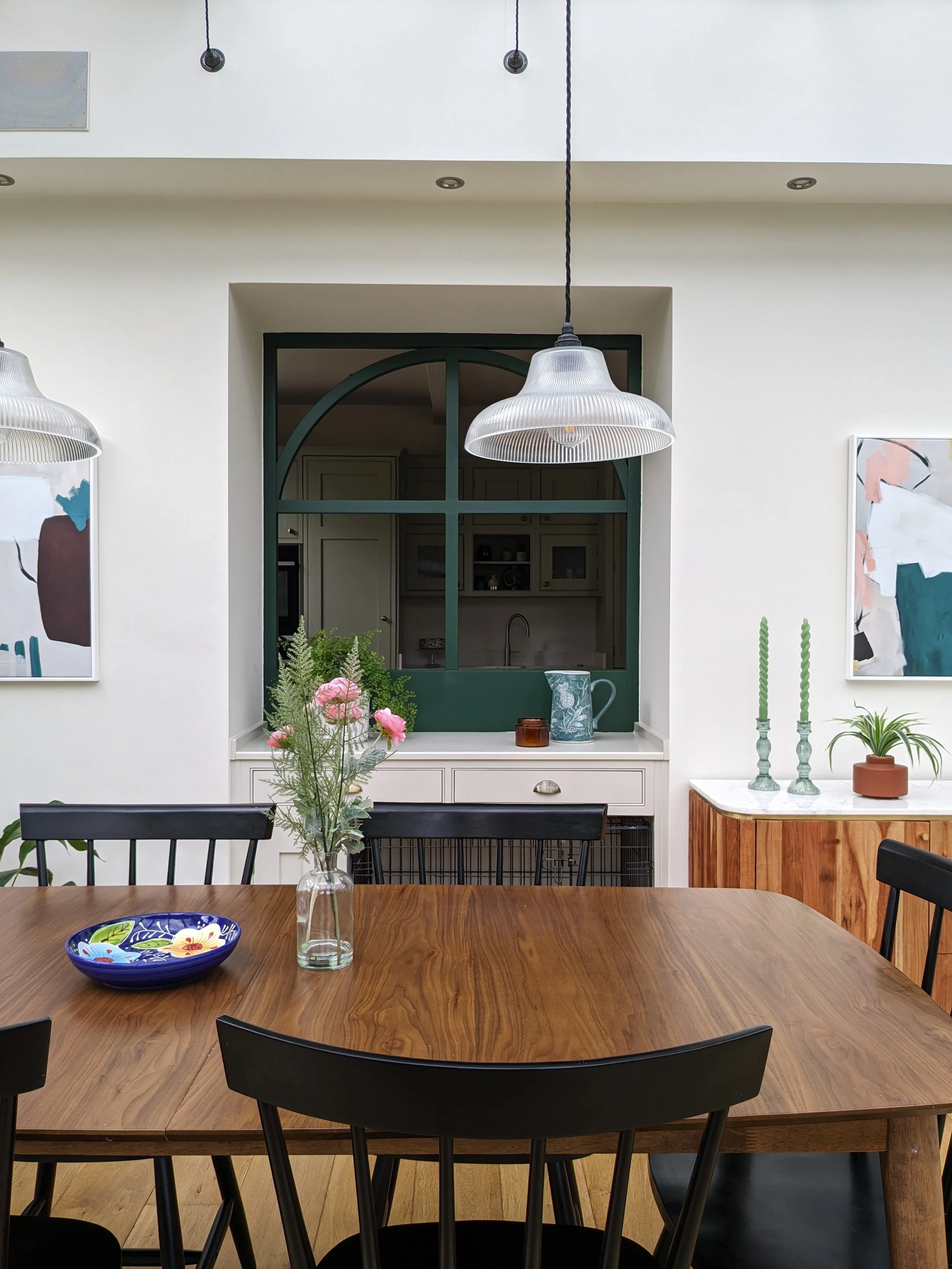
Credit: www.nospacelikehome.uk
Practical Installation Tips
Installing a chandelier at the right height above your table transforms the entire room. It’s not just about looks; practical placement ensures the light serves its purpose without creating glare or shadows. Paying attention to installation details can save you from future headaches and help your chandelier shine in the best way possible.
Measuring And Marking Placement
Start by measuring the height of your ceiling and the size of your table. A common guideline is to hang the chandelier 30 to 36 inches above the table surface. But how do you mark the perfect spot? Use a tape measure and a pencil to mark the ceiling exactly where the fixture will go.
Don’t guess—double-check your measurements to avoid having the chandelier too high or too low. You can also use painter’s tape on the table to visualize the chandelier’s footprint. This simple trick helps you see if the light will be centered and balanced.
Electrical And Safety Considerations
Before you start wiring, ensure the power is off to avoid any accidents. Check if your ceiling box can support the weight of your chandelier. Some fixtures are heavy and require additional support, like a brace or a special mounting box.
Make sure your wiring matches the fixture’s requirements. If you’re unsure about your electrical skills, hiring a licensed electrician is the safest choice. Remember, a secure and properly installed chandelier is as important as its style.
Style And Design Choices
Choosing the right style and design for your chandelier plays a crucial role in deciding how far it should hang from your table. The fixture’s look should complement the room’s vibe and your personal taste. This connection impacts not just aesthetics but also the practical feel of the space.
Matching Chandelier To Room Decor
Your chandelier should feel like part of the room, not an afterthought. Think about the colors, materials, and overall theme of your dining area. A crystal chandelier might look stunning in a formal dining room but could feel out of place in a casual, rustic setting.
Consider the scale of your table and the chandelier. A large, ornate fixture demands more space and usually needs to hang a bit higher to avoid overwhelming the table. Smaller, minimalist designs can be hung lower to create a cozy atmosphere without crowding the space.
Ask yourself: Does the chandelier highlight your table or distract from it? If your room has bold patterns or strong colors, a simple chandelier might work better. Conversely, a plain room could benefit from a chandelier that serves as a standout feature.
Modern Vs Traditional Fixtures
Modern chandeliers often have sleek lines and minimal shapes. They tend to work well hung lower since their design doesn’t block sightlines or feel heavy. You can experiment with hanging heights to create a dramatic or intimate feel.
Traditional chandeliers usually have multiple arms, crystals, or intricate details. They require enough clearance to avoid bumping heads or blocking views. This often means hanging them higher above the table, generally between 30 to 36 inches, depending on the ceiling height.
Think about the mood you want to create. Would a modern fixture’s clean style make your space feel open and airy? Or would a traditional chandelier’s elegance and detail add warmth and charm? Your choice will guide how far from the table the fixture should hang to balance function and style.
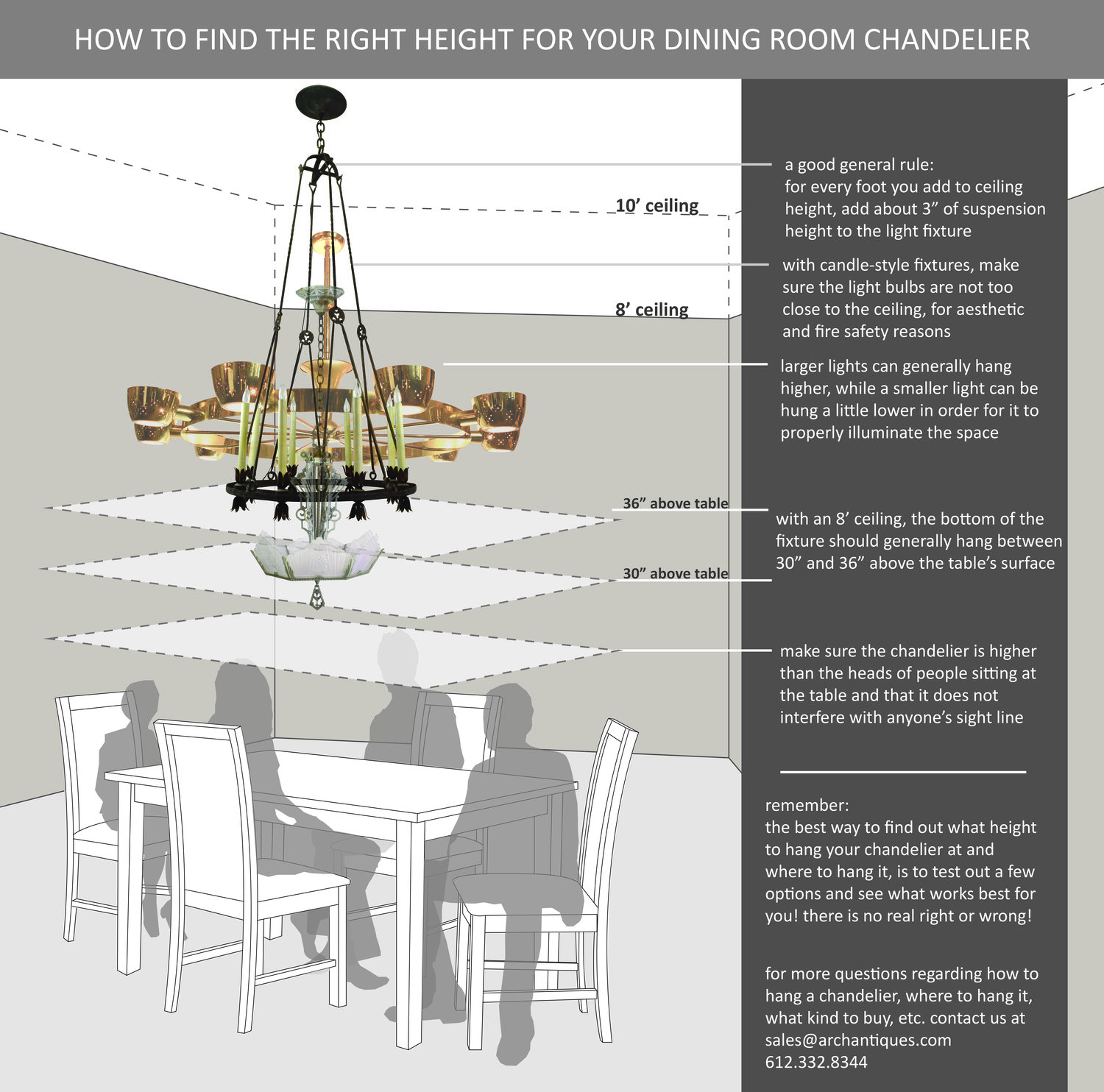
Credit: www.archantiques.com
Common Mistakes To Avoid
Choosing the right height and position for your chandelier is crucial, but many people make avoidable mistakes that affect both the room’s look and functionality. These errors can leave your space feeling off-balance or dim. Let’s look at some common pitfalls and how you can steer clear of them to get the perfect chandelier placement.
Too High Or Too Low Placement
Placing a chandelier too high above your table can make the space feel disconnected and reduce the light’s effectiveness on your dining area. On the other hand, hanging it too low can obstruct views and bump heads during meals.
Think about the standard guideline: a chandelier should hang about 30 to 36 inches above the table surface. This range usually offers enough clearance while keeping the fixture close enough to create a cozy atmosphere.
Have you ever been in a dining room where the light feels like it’s floating miles above? That’s likely the chandelier being too high. Adjusting it can transform the entire experience of the room.
Ignoring Table Shape And Usage
Not considering your table’s shape when positioning your chandelier is a frequent mistake. A round table needs a centered, usually round fixture to maintain balance, while a rectangular table calls for an elongated chandelier.
Your table’s use also matters. If you often work or read at your dining table, you’ll want brighter, well-distributed light. If it’s primarily for dinners, a softer glow may suffice.
Ask yourself: Does your chandelier complement the table’s shape and how you use the space? If the answer is no, it’s time to rethink your setup.
Credit: www.2modern.com
Frequently Asked Questions
How High Should A Chandelier Hang Above The Table?
A chandelier should hang 30 to 36 inches above the table surface. This height ensures optimal lighting and clear sightlines. Adjust based on ceiling height and table size for best results.
What Size Chandelier Fits A Dining Table Perfectly?
Choose a chandelier about half to two-thirds the width of your table. This size balance avoids overpowering the space and provides even lighting. Consider table shape when selecting chandelier dimensions.
Can Chandelier Height Affect Room Ambiance?
Yes, chandelier height greatly impacts ambiance. Lower placement creates intimacy, while higher positioning offers openness. Proper height ensures comfortable light distribution and enhances dining experiences.
Should Chandelier Height Differ For Kitchen Islands And Dining Tables?
Yes, chandelier height varies between areas. For kitchen islands, hang 30-36 inches above the surface. Dining tables require similar height but consider room size and function for adjustments.
Conclusion
Choosing the right distance between a chandelier and your table makes a big difference. It helps light the space well and looks balanced. Too high or too low can cause problems with style and comfort. Aim for about 30 to 36 inches from the table surface.
This height works for most rooms and tables. Remember, the goal is a cozy, bright spot for meals and talks. A well-placed chandelier adds charm and warmth to your dining area. Simple steps bring great results.



