
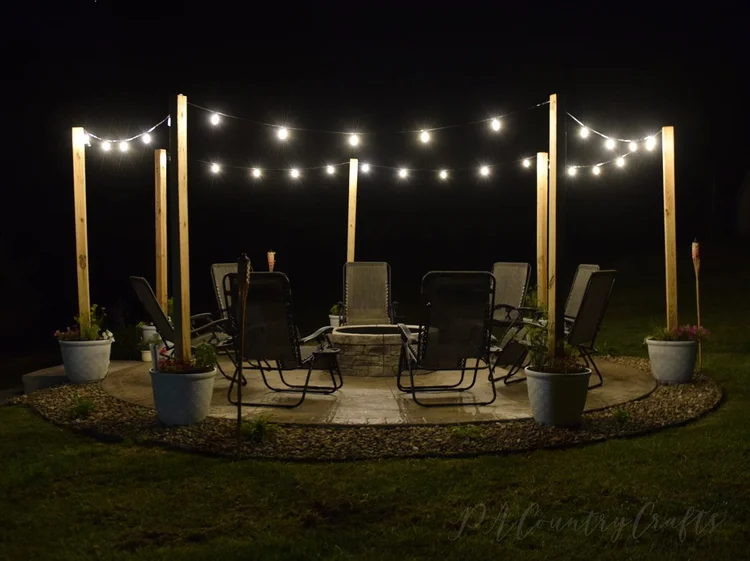
Want to transform your outdoor space with cozy, glowing string lights but unsure how to hang them on concrete? You’re not alone.
Concrete walls and surfaces can feel tricky to work with, but with the right tips and tools, you can easily create a warm, inviting atmosphere. In this guide, you’ll learn simple, step-by-step methods to hang your lights securely without damaging your concrete.
Keep reading—you’re just moments away from lighting up your outdoor area like a pro.
Credit: www.outdoorguide.com
Choosing The Right String Lights
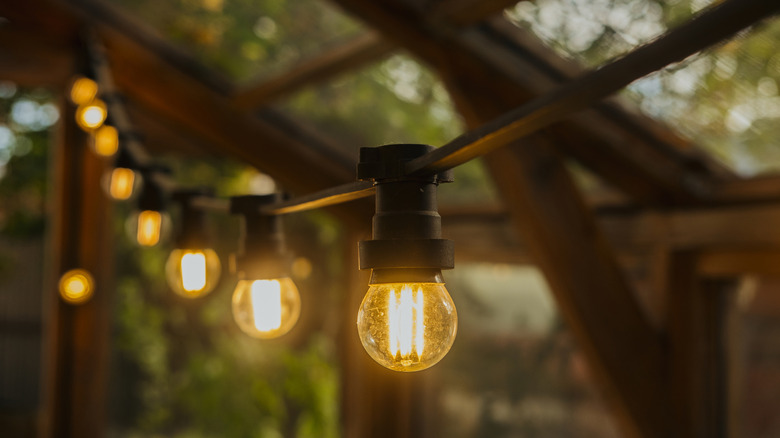
Choosing the right string lights is key for a beautiful outdoor setup on concrete. The perfect lights create a cozy atmosphere while lasting through weather changes. Select lights designed for outdoor use to ensure safety and durability. Consider brightness and length to match your space and mood. Look for weather-resistant features to protect your investment and keep the lights shining bright year-round.
Types Suitable For Outdoor Use
Outdoor string lights come in various types. LED lights use less energy and last longer. Incandescent bulbs offer warm, classic lighting but consume more power. Solar-powered lights charge during the day and save electricity. Choose lights labeled for outdoor use to handle moisture and temperature changes.
Brightness And Length Considerations
Brightness affects the mood and visibility in your space. Look for lights with adjustable brightness or soft white bulbs for a warm glow. Measure your area to pick the correct string length. Too short leaves gaps; too long can clutter the space. Plan how many strands you need for even coverage.
Weather-resistant Features
Weather resistance is essential for outdoor lighting on concrete. Waterproof or water-resistant coatings protect bulbs and wiring. Look for lights with IP65 rating or higher for rain and dust protection. Durable materials like rubber or plastic casings withstand harsh weather. Check the product details for UV resistance to prevent fading or damage from sunlight.
Tools And Materials Needed
Hanging outdoor string lights on concrete requires the right tools and materials to ensure a secure and lasting setup. Without proper equipment, your lights might not hold up well against weather or gravity. Gathering everything beforehand saves you time and frustration during installation.
Anchors And Hooks For Concrete
Concrete is tough, so using standard nails or screws won’t work. You need special anchors designed for masonry. Plastic expansion anchors or sleeve anchors provide a strong grip inside the concrete.
Hooks that fit these anchors come in various shapes, like cup hooks or screw-in hooks. Choose ones rated to hold the weight of your string lights plus any wind pressure they might face. Have extra anchors on hand—you never know if one might crack or strip during installation.
Drill And Masonry Bits
A drill with a hammer function is essential for making holes in concrete. Regular drills struggle with the hardness and can damage the bits. Use carbide-tipped masonry bits sized to match your anchors.
Start with a smaller pilot hole if you want more precision, then move to the final size. Always wear safety goggles—concrete dust and small shards can cause injury. Have you ever underestimated how tough concrete can be until you tried drilling into it?
Measuring Tape And Marker
Accurate measurements prevent uneven spacing and sagging lights. Use a sturdy measuring tape to mark where each anchor will go. Mark the spots clearly with a pencil or chalk, which you can easily erase later.
Double-check your measurements before drilling—once holes are in concrete, mistakes are costly. Planning your layout carefully can make your lights look professionally installed and prevent annoying adjustments later.
Preparing The Concrete Surface
Clean the concrete surface thoroughly to remove dirt and dust. Use a wire brush or pressure washer for best results. Allow the surface to dry completely before installing hooks or anchors.
Preparing the concrete surface is a crucial step when you want to hang outdoor string lights on concrete. A well-prepared surface ensures that your lights will stay secure and look stunning. By taking a little time to ready the concrete, you can avoid mishaps and enjoy a beautifully lit outdoor space. Let’s dive into the essentials of getting your concrete ready for those twinkling lights.Cleaning And Drying
Before you do anything else, make sure the concrete is clean. Dust, dirt, and grime can prevent adhesive hooks from sticking properly. Use a stiff broom or a power washer to remove any loose debris. If the surface is stained, consider using a concrete cleaner for a thorough job. Once cleaned, the concrete must be completely dry. Moisture can weaken adhesion and lead to the lights falling. Give the surface ample time to dry, especially after washing. A sunny day is your best ally here, speeding up the drying process.Marking Anchor Points
Decide where you want your lights to hang. Grab a tape measure and mark the anchor points with a pencil or chalk. This will ensure even spacing and a professional look. It’s wise to measure twice, hang once. Double-check your measurements to avoid any mishaps. This step saves time and frustration in the long run. Consider the weight and length of your string lights. Heavier lights may need more anchor points for support. Planning this out will keep your setup secure and long-lasting.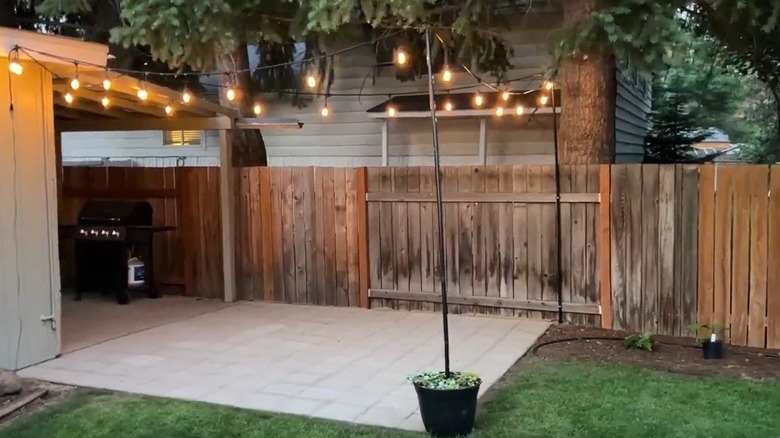
Credit: www.outdoorguide.com
Installing Anchors And Hooks
Installing anchors and hooks is key to hanging outdoor string lights on concrete. These components hold the lights firmly and safely. Proper installation ensures the lights stay in place through wind and weather.
Use the right tools and materials for concrete surfaces. Drill holes carefully, insert anchors tightly, and attach hooks securely. This creates a strong base for your string lights.
Drilling Holes In Concrete
Choose a drill with a masonry bit for concrete. Mark spots where hooks will go. Keep holes evenly spaced for balanced light hanging.
- Wear safety glasses to protect your eyes.
- Hold the drill steady and drill slowly.
- Drill to the depth needed for the anchor size.
Clean out dust from holes with a brush or air blower. Clear holes help anchors fit better.
Inserting Anchors
Select anchors made for concrete, such as sleeve or expansion anchors. Insert anchors into drilled holes until flush with the surface.
- Tap anchors gently with a hammer if needed.
- Make sure anchors fit tightly inside the holes.
- Use anchors that match the weight of your string lights.
Secure anchors firmly for reliable support of hooks and lights.
Attaching Hooks Securely
Choose hooks rated for outdoor use and suitable for your anchors. Screw hooks into anchors until tight.
- Twist hooks by hand or use pliers for a firm grip.
- Check hooks are straight and stable before hanging lights.
- Test hook strength by applying gentle pressure.
Properly attached hooks keep string lights safe and stable outdoors.
Hanging The String Lights
Hanging outdoor string lights on concrete requires careful planning and the right tools. Proper installation ensures the lights stay secure and look great. Follow these steps to hang your string lights efficiently and safely.
Planning The Layout
Start by choosing the area to hang your lights. Measure the space to know the length of string lights needed. Decide on the pattern, such as straight lines or zigzags. Mark the spots on concrete where hooks will go. Make sure the lights will reach a power source.
Securing Lights To Hooks
Use concrete screws or anchors to fix hooks into the marked spots. Drill holes carefully to avoid cracking the concrete. Insert anchors, then screw in hooks firmly. Hang the string lights on the hooks, starting from the power source. Check that each bulb hangs freely without strain.
Adjusting Tension And Position
Tighten the string lights to remove slack, but avoid pulling too hard. Proper tension prevents sagging and damage. Adjust the position of hooks if needed to keep lines straight. Make sure the lights are evenly spaced for a neat look. Test the lights to confirm they stay secure and work well.

Credit: www.jenniferlauraliving.com
Maintenance And Safety Tips
Maintaining and ensuring safety for outdoor string lights on concrete keeps your space bright and secure. Proper care extends the lights’ life and prevents accidents. Follow these tips regularly to enjoy a well-lit, safe outdoor area.
Regular Inspection
Check the lights and cords often for damage or wear. Look for frayed wires, broken bulbs, or loose connections. Replace any damaged parts immediately. Inspect mounting points on the concrete to ensure they are secure. Tighten hooks or anchors if they feel loose.
Weather Protection Measures
Use waterproof string lights designed for outdoor use. Cover plugs and connectors with weatherproof covers. Avoid water pooling near electrical parts. During storms, consider unplugging the lights to protect them. Store lights indoors during harsh winter months to prevent damage.
Safe Electrical Practices
- Use outdoor-rated extension cords and outlets.
- Keep cords away from walkways to prevent tripping.
- Ensure all connections are dry before plugging in.
- Do not overload electrical circuits with too many lights.
- Use ground fault circuit interrupters (GFCI) for extra safety.
Frequently Asked Questions
How Do You Attach String Lights To Concrete Walls?
Use concrete screws or masonry hooks to secure lights on concrete. Pre-drill holes with a masonry bit for screws. For hooks, choose adhesive or screw-in types made for outdoor use.
Can I Hang Outdoor String Lights Without Drilling?
Yes, use heavy-duty adhesive hooks or outdoor-rated mounting tape. Ensure the concrete surface is clean and dry before application. This method works best for lightweight string lights.
What Tools Are Needed To Hang Lights On Concrete?
You need a drill with a masonry bit, concrete screws or anchors, a screwdriver, a measuring tape, and a pencil for marking spots. A ladder might be needed for higher placements.
How To Protect String Lights From Weather Damage?
Choose outdoor-rated, waterproof string lights with durable insulation. Secure connections with weatherproof electrical tape or covers. Avoid hanging lights where water can pool or drip directly onto plugs.
Conclusion
Hanging outdoor string lights on concrete is easier than it seems. Use the right tools and take your time. Secure the lights firmly to avoid damage or accidents. Enjoy the warm glow that brightens your outdoor space. With simple steps, you can create a cozy atmosphere.
Outdoor string lights add charm to any concrete area. Start your project today and see the difference.



