
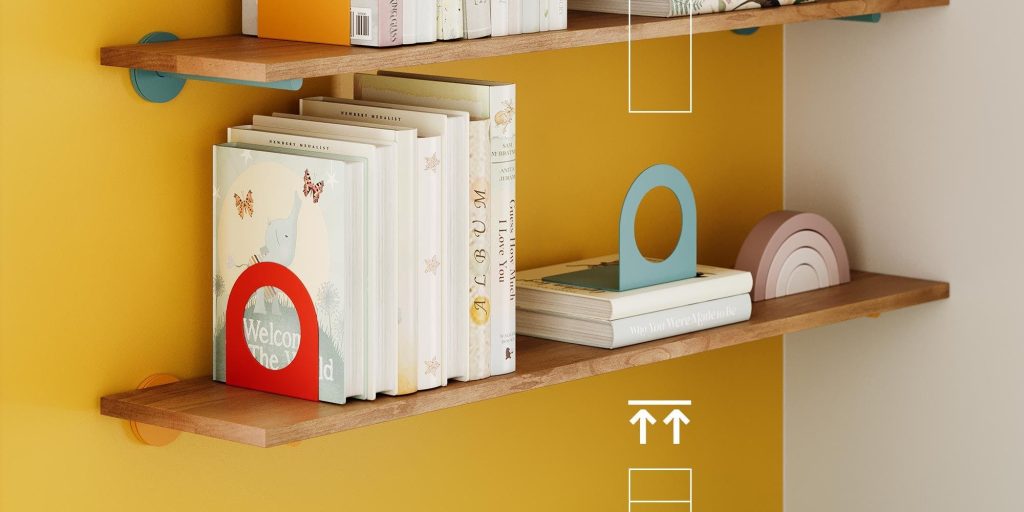
Looking to add stylish storage without bulky furniture? Hanging floating shelves on drywall can transform your space quickly and easily.
But if you’re worried about them falling or damaging your walls, you’re not alone. You want your shelves to look great and hold your favorite items safely. In this guide, you’ll learn simple, step-by-step tips to hang floating shelves securely—even if you’ve never done it before.
Keep reading, and by the end, you’ll have the confidence to create a sleek, organized look that lasts.
Choosing The Right Shelves
Choosing the right floating shelves is key for both style and function. Shelves must fit the room’s look and hold what you plan to place on them. Picking the right type helps avoid damage to your walls and keeps your items safe.
Materials And Styles
Floating shelves come in many materials. Wood offers a natural, warm look. Metal adds a modern, sleek feel. Glass shelves bring lightness and elegance to any room.
Styles vary from rustic to minimalist. Thick, chunky shelves create a bold statement. Thin, simple shelves blend quietly into the background. Choose a style that matches your room’s decor and your personal taste.
Weight Capacity Considerations
Consider the weight you want the shelves to hold. Lightweight shelves suit small items like picture frames or plants. Heavy-duty shelves can support books, electronics, or kitchenware.
Check the shelf’s weight limit before buying. Some shelves hold up to 20 pounds. Others can support 50 pounds or more. Knowing this helps prevent shelves from bending or falling.
Gathering Tools And Supplies
Before you start hanging floating shelves on drywall, gathering the right tools and supplies is crucial. Having everything ready saves you time and reduces frustration during the installation. Plus, using the correct hardware ensures your shelves stay secure and safe for your items.
Essential Tools
Make sure you have these tools on hand to make the job easier and more precise:
- Drill:A cordless drill with various drill bit sizes helps you create holes and drive screws efficiently.
- Level:To keep your shelves perfectly horizontal, a small bubble level or laser level is a must.
- Stud Finder:This tool helps locate wall studs behind drywall, which is important for extra support.
- Measuring Tape:Accurate measurements prevent uneven placement.
- Pencil:Marking spots before drilling avoids mistakes.
- Screwdriver:Sometimes needed for final tightening or adjustments.
Having these tools ready can make the difference between a quick install and a frustrating project. Do you feel confident your tools will handle the job?
Hardware Options
Choosing the right hardware depends on what you plan to place on the shelves and the drywall’s strength. Here are the common options:
| Hardware | Best Use | Advantages |
|---|---|---|
| Toggle Bolts | Heavy items | Strong hold, spreads weight behind drywall |
| Molly Bolts | Medium weight | Expandable anchors, good for hollow walls |
| Wall Anchors (Plastic or Metal) | Light to medium weight | Easy to install, widely available |
| Stud Screws | Heavy weight | Strongest option if you find a stud |
Think about what you’ll put on your shelves. Will you rely on drywall anchors or try to hit studs? Your choice affects both safety and shelf longevity.
Locating Wall Studs
Finding wall studs is crucial for hanging floating shelves in drywall securely. Use a stud finder to locate the studs, ensuring the shelves have proper support to hold weight.
Locating wall studs is a crucial step in securely hanging floating shelves on drywall. Studs provide the necessary support to hold the weight of your shelves and items. Without securing your shelves to a stud, you risk them pulling away from the wall and causing damage. Let’s explore some practical ways to find these hidden supports in your walls.Using A Stud Finder
A stud finder is a handy tool that makes the process of locating wall studs straightforward. Simply place the stud finder against the wall and move it slowly. The device will alert you, often with a beep or light, when it detects a stud behind the drywall. Ensure the batteries in your stud finder are fresh. A weak battery can result in inaccurate readings. Always double-check by moving the stud finder vertically over the area to confirm the presence of a stud.Alternative Methods Without A Stud Finder
If you don’t have a stud finder, there are other effective methods you can try. One approach is to look for electrical outlets or light switches. These are usually mounted on the side of a stud. Measure 16 to 24 inches horizontally from the outlet to locate the next stud. Another method is to use a small finishing nail or a drill with a small bit. Gently tap or drill into the wall at the estimated stud location. If you hit resistance and the nail doesn’t easily penetrate, you’ve likely found a stud. Have you ever tried knocking on the wall? A hollow sound indicates no stud, while a solid sound suggests you’re over a stud. Try listening closely as you tap along the wall. Finding studs without a stud finder can be a bit of an art, but with patience and practice, you can master it. Which method will you try next?
Credit: www.create-enjoy.com
Marking Shelf Placement
Marking the shelf placement is a key step for hanging floating shelves on drywall. It ensures the shelves are level and secure. Proper marking prevents mistakes and keeps the installation smooth. This part focuses on choosing the right height and marking drill points clearly. Accurate marks guide your drilling and help avoid damage to walls.
Measuring Height And Level
Start by deciding the shelf height. Consider the room’s use and what will go on the shelf. Use a tape measure to find the exact height from the floor. Mark this spot lightly on the wall with a pencil.
Next, check the level. Hold a spirit level horizontally at the height mark. Adjust the level until the bubble is centered. Draw a faint horizontal line along the level’s edge. This line will guide shelf placement.
Marking Drill Points
Find the shelf brackets or mounting hardware spots along the level line. Use a pencil to mark the exact drill points for screws or anchors. Check the spacing matches the shelf’s bracket size.
Use a stud finder to locate wall studs behind the drywall. Mark the stud locations near the drill points for strong support. If no studs are found, plan to use wall anchors designed for drywall.
Double-check all marks before drilling. Proper marks ensure the shelf will hang straight and hold weight securely.
Drilling Pilot Holes
Drilling pilot holes is a crucial step when hanging floating shelves on drywall. These small holes guide the screws and prevent the drywall from cracking. They also make it easier to insert anchors or screws securely. Properly drilled pilot holes ensure your shelves stay sturdy and level over time.
Choosing Drill Bits
Select the right drill bit size based on your wall anchors or screws. A bit too large can damage the drywall; too small makes it hard to insert anchors.
- Use a masonry bit for anchors designed for drywall.
- Choose a bit slightly smaller than the screw diameter for pilot holes.
- Check the anchor packaging for recommended drill bit size.
Sharp bits drill clean holes and reduce effort. Replace dull bits before starting your project.
Safety Tips
Wear safety goggles to protect your eyes from dust and debris. Keep your hands away from the drill bit to avoid injury.
- Use a dust mask if drilling creates a lot of dust.
- Secure the drill firmly with both hands for control.
- Mark hole spots clearly before drilling to avoid mistakes.
- Do not force the drill; let the bit work at its own pace.

Credit: www.youtube.com
Installing Anchors And Brackets
Installing anchors and brackets correctly is key to making your floating shelves sturdy and safe. Drywall alone can’t hold much weight, so anchors provide the extra support your shelves need. Brackets then secure the shelf in place, ensuring it stays level and reliable over time.
Types Of Drywall Anchors
Choosing the right drywall anchor depends on the weight of your shelf and what you plan to put on it. Here are some common types to consider:
- Plastic expansion anchors:Best for light loads, these anchors expand inside the drywall when you insert a screw. They are affordable but not very strong.
- Molly bolts:These metal anchors expand behind the drywall, offering more holding power. They are great for medium-weight shelves.
- Toggle bolts:Ideal for heavy shelves, toggle bolts have wings that open inside the wall, distributing the weight over a larger area.
- Self-drilling anchors:Easy to install without pre-drilling, these anchors work well for medium weights and save time.
Think about what you’re going to place on the shelf. Would a plastic anchor hold your favorite books or decorative items, or do you need the strength of a toggle bolt?
Securing Brackets Properly
Once you have the right anchors, the next step is attaching your brackets securely. Start by marking the exact spots where you want to place the brackets. Use a level to keep everything straight—nothing ruins a shelf faster than a tilt.
Drill pilot holes slightly smaller than your anchors to avoid damaging the drywall. Insert the anchors fully before screwing in your brackets. Tighten screws until snug but avoid over-tightening, which can strip the anchors or damage the drywall.
Double-check the bracket’s stability by gently pulling on it before placing the shelf. If it feels loose, reassess the anchors or try a stronger type. Your shelf’s safety depends on this step.
Mounting The Shelves
Mounting floating shelves correctly is crucial to ensure they hold weight and look seamless. The process involves securely attaching the shelf to its brackets and double-checking stability before use. Let’s break down these key steps to help you achieve a professional finish.
Attaching Shelves To Brackets
Start by aligning the shelf with the metal or wooden brackets fixed on the wall. Most floating shelves have pre-drilled holes on the back or bottom—use these for screws to firmly connect the shelf to the brackets.
Use a drill or screwdriver to drive the screws in, but avoid over-tightening as this can damage the wood or strip the screws. If your shelf doesn’t have pre-drilled holes, mark where the brackets meet the shelf, then carefully drill pilot holes before attaching.
Do you have a shelf that feels loose after the first try? Try adding extra screws or using longer screws that reach deeper into the bracket for a tighter hold.
Ensuring Stability
Once the shelf is attached, gently apply pressure to test its strength. Give it a small shake or press down lightly in different spots to ensure it doesn’t wobble or feel weak.
If you notice any movement, check that the brackets are properly anchored into drywall studs or use heavy-duty drywall anchors if studs aren’t available. Using a level before final tightening guarantees your shelf sits perfectly horizontal, avoiding future tilting.
Think about what you plan to place on the shelf. Heavy items require stronger support—don’t hesitate to reinforce with additional brackets or choose shelves specifically rated for higher weight limits.
Finishing Touches
After securing your floating shelves to the drywall, the finishing touches make all the difference between a quick job and a polished installation. These final steps ensure your shelves not only look great but also perform well under daily use. Taking the time to check and adjust now can save you from headaches later.
Checking Levelness
Even a small tilt can ruin the look of your floating shelves and cause items to slide off. Use a spirit level to double-check the alignment after mounting. Place the level on the shelf’s surface and adjust the brackets slightly if needed.
If your shelves don’t sit perfectly level, don’t ignore it. Small shifts in drywall or mounting can cause unevenness that worsens over time. Fixing this early keeps your shelves stable and safe.
Decorating And Load Testing
Once the shelves are level, it’s time to add your favorite decor. Start with lightweight items to avoid stressing the mounts right away. This gradual approach helps you see how much weight the shelves can handle comfortably.
Try placing books, picture frames, or small plants and observe how the shelves respond. If you notice any sagging or looseness, remove items immediately and reinforce your mounting. Can your shelves support your style, or do they need extra help?
Troubleshooting Common Issues
Hanging floating shelves on drywall can sometimes lead to unexpected issues. Knowing how to troubleshoot these problems saves time and keeps your walls looking great. Below, find practical solutions for the most common challenges you might face.
Loose Shelves
If your floating shelves feel wobbly or loose, it’s usually because the anchors or screws aren’t gripping the drywall properly. Drywall alone can’t support much weight, so using the right type of anchor is crucial.
- Check if the screws are firmly tightened. Sometimes a simple turn of the screwdriver can fix the problem.
- If the shelf still moves, try installing toggle bolts or molly bolts designed for drywall. These spread the weight over a larger area.
- Make sure the shelf bracket is attached to a stud whenever possible. Studs provide the strongest support for heavy items.
Think about the weight you plan to place on the shelf. Are you relying only on drywall anchors for heavy books or decorations? Adjust your mounting strategy accordingly to avoid future issues.
Wall Damage Repairs
Sometimes during installation or removal, drywall can crack, crumble, or leave holes. Fixing these damages quickly keeps your wall smooth and ready for paint or new shelves.
- For small holes, use spackling paste or lightweight drywall compound. Apply it with a putty knife and smooth it out.
- Larger holes may need a patch kit or a piece of drywall secured with mesh tape before applying compound.
- After the repair dries, sand the surface gently to blend it with the surrounding wall.
Have you ever ignored a tiny hole thinking it was no big deal, only to have it grow worse? Addressing damage early prevents bigger repairs later.

Credit: www.youtube.com
Frequently Asked Questions
How Do You Find Studs For Hanging Floating Shelves?
Use a stud finder to locate studs behind drywall. Mark the stud positions clearly before drilling. This ensures your shelves have strong support and avoid drywall damage.
What Anchors Work Best For Floating Shelves On Drywall?
Toggle bolts and molly bolts provide strong support for floating shelves. Choose anchors rated for the shelf’s weight. Avoid using plastic anchors for heavy loads.
How High Should Floating Shelves Be Installed On Drywall?
Install floating shelves at eye level or slightly above for easy access. Typical heights range from 48 to 60 inches from the floor. Adjust height based on shelf use and room layout.
Can Floating Shelves Hold Heavy Items On Drywall?
Yes, if anchored into studs or with heavy-duty anchors. Proper installation is key for weight support. Distribute weight evenly to prevent shelf sagging or falling.
Conclusion
Hanging floating shelves in drywall is simple with the right tools. Always find the wall studs to keep shelves strong and safe. Use a level to make sure shelves stay straight. Drill carefully and use proper anchors for support. Take your time and follow each step closely.
Shelves add style and storage to any room. Now you can hang shelves confidently and enjoy your space.



