
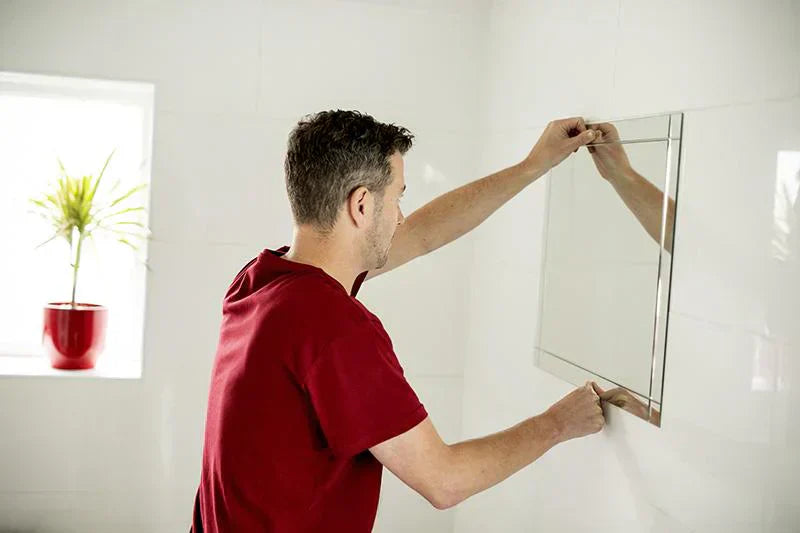
Hanging mirrors on your wall might seem simple, but doing it the right way can transform your space instantly. You want your mirror to stay secure, look great, and reflect light perfectly.
Whether you’re decorating a new room or just adding a touch of style, knowing the best techniques will save you time and frustration. In this guide, you’ll discover easy steps and expert tips that make hanging mirrors quick and stress-free.
Keep reading to turn your walls into stunning focal points with confidence!

Credit: ledmirrorworld.co.uk
Choosing The Right Mirror
Choosing the right mirror can change the look and feel of any room. The mirror should fit the space well and match the style of your home. It can make small rooms look bigger and add light. This section helps you pick the perfect mirror for your wall.
Selecting Size And Shape
Size matters for mirrors. A large mirror can open up space and create a focal point. Small mirrors work best in tight spaces or as part of a gallery wall. Shapes add character. Round mirrors soften sharp corners. Rectangular mirrors offer a classic look. Oval mirrors bring elegance. Choose a shape that fits your wall and room size.
Considering Frame Style
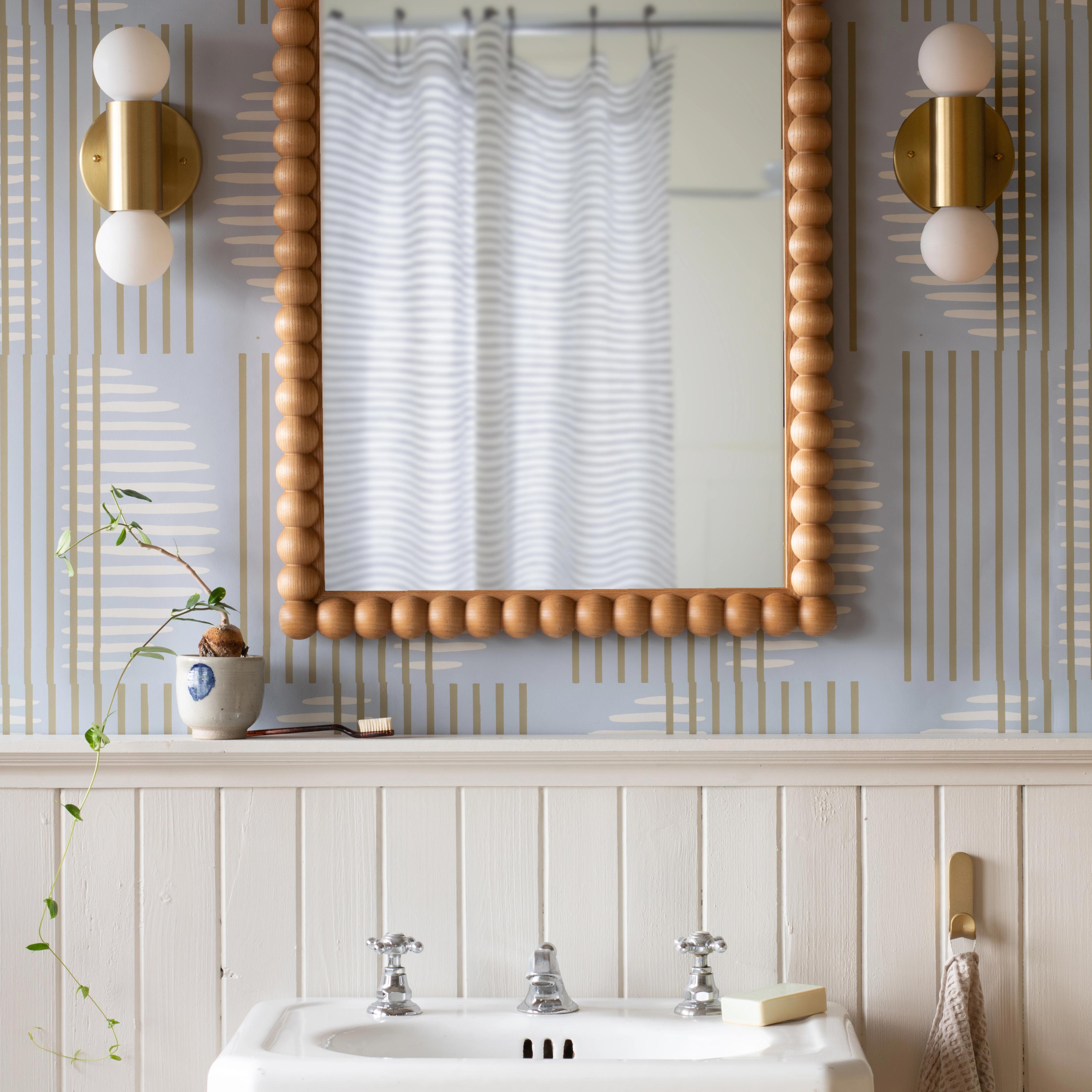
The frame style sets the tone of the mirror. Thick frames add boldness. Thin frames offer a sleek, modern feel. Wooden frames bring warmth and natural charm. Metal frames give a cool, industrial look. No frame? Frameless mirrors look clean and simple. Pick a frame that reflects your room’s mood and your taste.
Matching Room Decor
Mirrors should blend with the room’s decor. Match colors or finishes with furniture and fixtures. A vintage mirror fits well in traditional rooms. Modern mirrors suit contemporary spaces. Think about textures too. Smooth glass contrasts nicely with rough walls. Consider the room’s purpose. Bathrooms need moisture-resistant frames. Living rooms allow more style freedom.
Credit: schoolhouse.com
Preparing The Wall
Clear the wall surface and remove any dust or dirt for better mirror adhesion. Check for studs or use anchors to support the mirror’s weight safely.
Preparing the wall for hanging a mirror is a crucial step that ensures your mirror remains securely mounted and perfectly aligned. By taking the time to get your wall ready, you will not only enhance the aesthetic appeal of your room but also prevent any unnecessary damage. Let’s dive into the essential steps of preparing your wall.Cleaning The Surface
Before you think about mounting your mirror, make sure the wall surface is clean. Dust, dirt, and grime can affect the adhesive strength if you’re using sticky hangers or hooks. Use a damp cloth or gentle cleaner to wipe down the area where the mirror will hang. A clean surface also helps in marking placements accurately. It’s a small step that pays off in the long run. Have you ever tried sticking something on a dusty wall only to see it fall off? Let’s avoid that.Locating Studs
Finding studs in the wall is like discovering hidden support. Use a stud finder to locate these strong spots which can hold more weight. Mirrors can be heavy, and securing them to a stud gives you peace of mind. If you don’t have a stud finder, tap the wall gently and listen for a solid sound, indicating a stud. Knowing where these are can save you from potential mishaps. Remember, a little extra effort now can prevent future headaches.Marking Placement
Once your surface is clean and you’ve located the studs, it’s time to mark where your mirror will hang. Use a pencil to lightly mark the top and sides of the mirror. This allows you to step back and visualize its placement. Ensure your marks are level by using a spirit level. A crooked mirror can be distracting and take away from the room’s harmony. Do you want a quick tip? Have someone hold the mirror while you step back to check its alignment. It’s always a team effort for the perfect setup.Tools And Materials Needed
Before you hang a mirror on your wall, gathering the right tools and materials is key to making the process smooth and safe. Using the correct equipment not only protects your walls but also ensures your mirror stays securely in place. Let’s dive into what you’ll need to get started.
Essential Hanging Tools
Having the right tools ready can save you time and prevent frustration. A reliable tape measure helps you position the mirror perfectly.
You’ll also need a level to ensure the mirror hangs straight. Don’t forget a pencil to mark spots without damaging your walls.
Other handy tools include a drill for tougher walls and a stud finder to locate support beams. If you don’t have these tools, you might find them at your local hardware store or borrow from a neighbor.
Choosing Appropriate Hardware
The hardware you select depends on the mirror’s size and wall type. Small mirrors might only need picture hooks or nails.
For heavier mirrors, use wall anchors or toggle bolts to ensure they stay secure. Different walls—drywall, plaster, or brick—require different fasteners, so check your wall type before buying hardware.
Have you checked the weight rating on your hardware? Matching it to your mirror’s weight is crucial to avoid accidents.
Safety Equipment
Protecting yourself during installation is just as important as securing the mirror. Safety glasses shield your eyes from dust and debris, especially when drilling.
Gloves can prevent cuts from sharp edges on the mirror or hardware. If you’re using a ladder, make sure it’s stable and placed on a flat surface.
Taking these safety steps might feel like extra work, but they help you avoid injuries and keep the job hassle-free.
Hanging Techniques
Hanging a mirror securely is key to both safety and style. Choosing the right technique depends on your wall type, mirror weight, and the look you want to achieve. Let’s dive into some practical ways to get your mirror up without a fuss.
Using Hooks And Nails
Hooks and nails are the simplest tools for hanging mirrors on drywall or wooden walls. Use a sturdy nail or picture hook that can hold the mirror’s weight comfortably. If the mirror is heavy, select hooks rated for higher weight and hammer them into wall studs for better support.
Think about the mirror’s frame design—some come with D-rings, while others have wire across the back. Hanging with wire gives you flexibility to adjust the level easily. Have you checked whether your mirror’s hanging hardware matches the hook type? This small detail can save you from a crooked display.
Installing Wall Anchors
Wall anchors are lifesavers when there’s no stud behind the spot you want to hang your mirror. They expand inside the wall to hold screws firmly, preventing your mirror from pulling out. Choose anchors rated for the mirror’s weight—plastic anchors work for light mirrors, while metal or toggle anchors suit heavier pieces.
Here’s a quick tip: drill a pilot hole before inserting the anchor to avoid wall damage. Then, screw the hook or bracket into the anchor. This method gives you peace of mind that your mirror won’t fall unexpectedly.
Adhesive Options
If you prefer not to make holes, adhesive strips and glue can work for lightweight mirrors. Use heavy-duty, damage-free adhesive strips designed for hanging pictures and mirrors. They stick well to smooth, clean surfaces and are easy to remove without marks.
For larger mirrors, specialized mirror adhesive or mounting tape is available, but always check the weight limit on the packaging. Keep in mind, adhesives may not hold well on textured or uneven walls. Have you tested a small patch first to ensure good adhesion?
Measuring For Perfect Placement
Measuring for perfect placement is the key to making sure your mirror not only looks great but also functions well in your space. Taking the time to measure carefully prevents awkward angles and improves the overall balance of the room. Have you ever hung something only to realize it’s just a bit off? Precise measuring saves you from that frustration.
Determining Height
Think about the primary use of your mirror before choosing the height. For a full-length mirror, you want it low enough to see your entire reflection, but for decorative pieces, eye level is usually best.
A good rule is to hang the mirror so its center is roughly 57 to 60 inches from the floor. This height works well for most people and rooms.
Have you measured yourself standing next to where the mirror will hang? That’s a simple way to confirm if the height feels right for your daily use.
Centering On Wall Or Furniture
Centering your mirror creates a balanced and intentional look. If you’re hanging it above furniture like a console table or sofa, measure the width of the furniture first.
Place the mirror so it aligns with the center point of the furniture. This avoids the awkward feeling of a lopsided arrangement.
If the mirror goes on a bare wall, find the midpoint of the wall or the section you want to highlight. Mark that spot lightly with a pencil before hanging.
Leveling The Mirror
Even a perfectly placed mirror loses its charm if it’s crooked. Use a level tool to check the top and sides of the mirror frame before making any marks.
Sometimes the hooks or hanging hardware don’t line up perfectly. Adjust them or use wall anchors to keep your mirror straight and secure.
After hanging, step back and view the mirror from different angles. Your eyes can catch slight tilts that a level might miss.
Troubleshooting Common Issues
Hanging mirrors can seem straightforward until common problems arise. These issues can cause damage, uneven displays, or difficulty securing the mirror properly. Knowing how to troubleshoot these challenges helps you achieve a beautiful and safe installation every time.
Preventing Mirror Damage
Mirrors are fragile and prone to cracking or chipping if handled incorrectly. Always use soft gloves or a cloth when carrying them to avoid fingerprints and accidental scratches.
Before hanging, check the mounting hardware for sharp edges or rust that might weaken the mirror frame. Consider adding felt pads or rubber bumpers to the back corners to cushion the mirror against the wall.
Have you noticed your mirror frame feels loose or rattles? Tightening screws or adding extra support brackets can prevent the mirror from shifting and breaking over time.
Fixing Uneven Hanging
An uneven mirror ruins the room’s balance and draws unwanted attention. Use a level to check the mirror’s alignment as you hang it, adjusting hooks or nails as needed.
If your mirror tilts forward or away from the wall, small adhesive strips or bumpers placed behind the bottom corners can stabilize it. This simple trick also protects your wall from scratches.
What if you’ve already hung the mirror and it’s crooked? Remove it and reposition the hooks slightly. Patience in measuring and rechecking pays off with a perfect hang.
Dealing With Wall Types
Not all walls are the same, and the type of wall affects how you hang your mirror. Drywall, plaster, brick, and tile each require different anchors or screws.
- Drywall:Use wall anchors or toggle bolts to support heavier mirrors without damaging the wall.
- Plaster:Drill carefully and use anchors designed for plaster to avoid cracking.
- Brick or Concrete:Masonry screws or anchors are essential for a secure hold.
- Tile:Use a carbide-tipped drill bit to avoid cracking tiles when installing anchors.
Have you checked what type of wall you’re working with before picking your hanging hardware? Choosing the right tools prevents frustration and costly mistakes.

Credit: www.rjliving.com.au
Frequently Asked Questions
How Do I Hang A Mirror On Drywall?
Use wall anchors or screws designed for drywall. Locate studs for extra support. Mark the spot and drill holes carefully. Hang the mirror using brackets or hooks.
What Tools Are Needed To Hang A Mirror?
You need a drill, level, measuring tape, pencil, wall anchors, screws, and a screwdriver. These tools ensure secure and straight mirror placement.
How High Should I Hang A Mirror?
Hang the mirror at eye level, generally 57-65 inches from the floor. Adjust based on furniture height and room size for best visual appeal.
Can I Hang A Heavy Mirror Without Studs?
Yes, use heavy-duty wall anchors or toggle bolts rated for the mirror’s weight. Avoid hanging heavy mirrors with only nails or light hooks.
Conclusion
Hanging mirrors on your wall can change a room’s feel quickly. Choose the right tools and spot for your mirror. Measure carefully to keep it straight and safe. Use strong hooks or anchors for heavy mirrors. Take your time, and check your work as you go.
A well-placed mirror adds light and space to any room. Enjoy your new wall decor that looks neat and lasts long. Simple steps, great results.



