
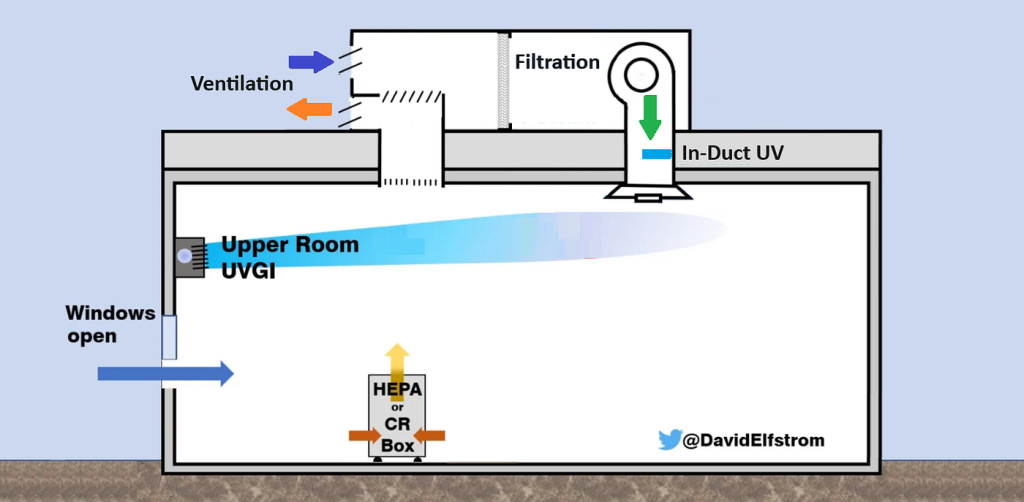
Is your room feeling stuffy or stale? Poor ventilation can make your space uncomfortable and even affect your health.
But don’t worry—improving airflow doesn’t have to be complicated or expensive. You’ll discover simple, effective ways to increase ventilation in your room. By the time you finish reading, you’ll know exactly how to bring fresh air in and keep the air moving, making your space feel fresher and more inviting.
Ready to breathe easier? Let’s dive in.
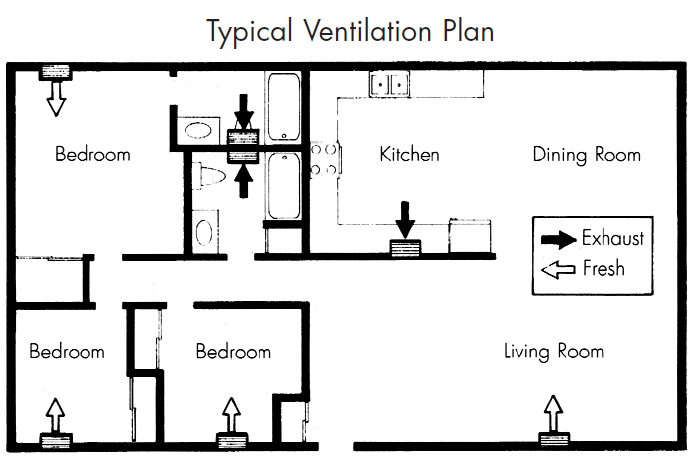
Credit: www.jlconline.com
Benefits Of Good Ventilation
Good ventilation transforms your living space in ways you might not expect. It’s not just about fresh air; it directly affects your health, comfort, and even your home’s condition. Have you ever noticed how a stuffy room makes you feel tired or gives you headaches? That’s a clear sign you need better airflow.
Improved Air Quality
When a room is well-ventilated, stale air gets replaced with fresh air. This reduces indoor pollutants like dust, allergens, and harmful gases. You breathe easier, and your risk of respiratory problems drops significantly.
Reduced Moisture And Mold Growth
Excess moisture in a room invites mold and mildew, which damage walls and furniture. Good ventilation controls humidity levels, keeping your space dry and safe. This also prevents unpleasant odors that come from damp environments.
Enhanced Comfort And Temperature Control
Ventilation helps regulate indoor temperature. By allowing cool air in and hot air out, it keeps your room comfortable without relying solely on air conditioning. This can also lower your energy bills.
Better Sleep And Productivity
Fresh air stimulates your brain and body, improving focus and relaxation. Ventilated rooms reduce fatigue and help you sleep more soundly. Have you noticed how a stuffy room makes it harder to concentrate or rest?
Protection Of Your Home’s Structure
Moisture buildup can weaken your walls and ceilings over time. Ventilation prevents this by keeping air moving and moisture levels balanced. This protects your investment and reduces costly repairs.
Signs Of Poor Airflow
Poor airflow in a room affects comfort and health. It can cause stuffiness and make breathing difficult. Identifying signs of bad ventilation helps improve air quality quickly.
Stale Or Musty Odors
Rooms with poor airflow often have a stale smell. Musty odors come from trapped moisture and mold growth. These smells signal that fresh air is not circulating well.
Excess Humidity And Condensation
High humidity levels build up without proper ventilation. You may see water droplets on windows or walls. This moisture can cause damage and worsen air quality.
Visible Mold Or Mildew
Mold and mildew grow in damp, poorly ventilated spaces. Their presence means air is not moving enough to dry surfaces. Mold spores can cause allergies and respiratory problems.
Feeling Hot Or Stuffy
A room with bad airflow often feels hot and sticky. Lack of fresh air makes the space uncomfortable. Proper ventilation helps keep air cool and fresh.
Dust And Allergens Buildup
Dust and allergens collect when air does not circulate well. They can settle on furniture, carpets, and vents. This buildup can cause sneezing and irritation.
Use Windows And Doors
Using windows and doors effectively can greatly improve airflow in any room. Opening them creates paths for fresh air to enter and stale air to leave. This simple action helps keep the space cooler and fresher. Let’s explore how to use windows and doors to boost ventilation efficiently.
Cross Ventilation Techniques
Cross ventilation happens when air flows from one side of a room to the other. Open windows or doors on opposite walls to allow air to move freely. This movement replaces warm, stagnant air with cooler outdoor air.
- Open windows or doors on two opposite sides.
- Keep interior doors open to let air pass through.
- Use fans to help push air from one side to another if needed.
This method works best in rooms with windows or doors facing different directions. It reduces heat and moisture quickly without extra energy use.
Optimal Window Placement
Window placement affects how well air flows through a room. Windows placed high and low on opposite walls encourage better air movement. Cooler air enters through lower windows, while warm air exits from higher ones.
- Install windows at different heights for natural airflow.
- Use larger windows on the side facing the prevailing wind.
- Consider window styles that open fully, like casement or sliding windows.
Positioning windows smartly helps create a natural breeze. It improves air quality and keeps the room comfortable without using fans or air conditioning.
Install Exhaust Fans
Improving ventilation in a room can enhance air quality and comfort. Installing exhaust fans is an effective way to achieve this. Exhaust fans help remove stale air, reduce humidity, and circulate fresh air. They come in various sizes and models suitable for different spaces. Choosing the right exhaust fan is crucial for optimal performance.
Choosing The Right Fan
Select a fan that matches the room’s size and purpose. A small bathroom might need a basic model, while a larger kitchen may require a more powerful one. Check the fan’s air movement capacity, usually measured in cubic feet per minute (CFM). Higher CFM means better ventilation. Consider energy-efficient models to save on electricity bills.
Placement Tips
Install the fan where it can effectively remove air. In kitchens, place it near cooking areas to vent out steam and odors. For bathrooms, position the fan near the shower or bathtub. Ensure the fan vents to the outside, not into attics or crawl spaces. This prevents moisture buildup and potential mold growth.
Add Air Vents And Grilles
Adding air vents and grilles is a simple way to boost airflow in any room. These components help fresh air move in and stale air move out, improving indoor air quality. Proper placement and type of vents can make a big difference in ventilation.
Air vents allow air to enter or exit a room through walls, ceilings, or floors. Grilles cover these openings and control the flow of air while keeping the space neat. Choosing the right vents and grilles helps maintain a balanced and comfortable environment.
Add Wall Or Ceiling Air Vents
Installing vents on walls or ceilings helps air circulate better. Wall vents bring fresh air in at breathing level. Ceiling vents pull warm air up and out. Position vents opposite each other to create cross ventilation.
Choose The Right Size And Type Of Vents
Pick vents that fit your room’s size and airflow needs. Larger vents allow more air to pass through. Fixed grilles direct airflow, while adjustable grilles let you control it. Use vents made of metal or plastic for durability.
Use Transfer Grilles Between Rooms
Transfer grilles connect two rooms to balance air pressure. They let air flow from one room to another without opening doors. This prevents stuffiness and keeps air moving freely throughout the house.
Maintain And Clean Vents Regularly
Keep vents and grilles clean to avoid dust buildup. Dust blocks airflow and reduces ventilation efficiency. Wipe vents monthly and vacuum nearby areas. Clean vents improve air quality and room comfort.
Use Portable Air Circulators
Using portable air circulators is a simple and effective way to boost ventilation in any room. These devices help move air around, preventing stuffiness and promoting a fresher environment. Whether you live in an apartment or a house, adding a portable air circulator can make a noticeable difference in comfort.
Fans And Air Purifiers
Fans are the most common type of portable air circulators. They come in various sizes, from small desk fans to larger tower models. Fans create airflow that helps push stale air out and bring fresh air in, especially when placed near open windows or doors.
Air purifiers, while primarily designed to clean the air, also assist in circulation. Many models come with built-in fans that help spread purified air evenly throughout the room. Using an air purifier alongside a fan can improve both air quality and airflow.
Benefits For Small Spaces
In small rooms, poor ventilation can quickly lead to discomfort and even health issues. Portable air circulators are ideal here because they don’t take up much space but still move air efficiently. You can easily position them wherever airflow is weakest.
Think about your bedroom or home office. A small desk fan or compact air purifier can keep the air feeling fresh without the need for large, expensive ventilation systems. Plus, they are easy to move around, so you can target different areas as needed.
Maintain Hvac Systems
Maintaining your HVAC system is crucial for improving ventilation in any room. A well-kept system ensures fresh air circulation and removes stale air effectively. Neglecting maintenance can reduce airflow and lower indoor air quality, which affects your comfort and health.
Regular Filter Replacement
Changing your HVAC filters regularly keeps the air clean and airflow steady. Dirty filters block air, making the system work harder and reducing ventilation. Check your filters every month and replace them at least every three months, or more often if you have pets or allergies.
Think about the last time you forgot to change your filter. Did you notice dust settling faster or the air feeling stuffy? Clean filters help you breathe easier and keep your energy bills lower.
Duct Cleaning Tips
Clean ducts let air flow freely and prevent dust buildup that can clog your system. Consider having your ducts professionally cleaned every few years, especially if you see dust around vents or smell musty odors. You can also inspect visible ductwork for debris and vacuum accessible areas yourself.
Sealing any leaks in your ducts can improve ventilation too. Have you ever felt cold air escaping near vents or heard whistling sounds? Fixing these issues stops air loss and boosts efficiency.
Credit: www.seattleschild.com
Incorporate Indoor Plants
Incorporating indoor plants boosts air flow and freshness in any room. Plants naturally filter toxins and release oxygen. This creates a cleaner and more breathable space. They also add beauty and calm to your environment.
Choosing the right plants and placing them well improves air quality the most. Some plants are better at removing harmful chemicals. Proper placement helps air circulate better around the room. This section explains which plants to pick and where to put them for best effect.
Plants That Improve Air Quality
- Spider Plant – Removes formaldehyde and carbon monoxide
- Snake Plant – Releases oxygen at night, ideal for bedrooms
- Peace Lily – Filters ammonia, benzene, and mold spores
- Boston Fern – Humidifies air and removes pollutants
- Aloe Vera – Cleans benzene and formaldehyde from the air
Placement For Best Effect
- Place plants near windows to access fresh air and sunlight.
- Group plants together to create a mini indoor garden.
- Avoid crowded corners to allow good air circulation.
- Put plants on shelves or stands to increase air flow.
- Rotate plants regularly for even light and growth.
Avoid Airflow Blockages
Keep vents, windows, and air pathways clear of furniture or clutter. Blockages slow airflow and reduce fresh air circulation. Open spaces help air move freely and improve room ventilation.
Improving room ventilation involves many strategies. A key factor is avoiding airflow blockages. Proper airflow keeps the room fresh and comfortable. It reduces allergens and moisture buildup. Here are some effective ways to ensure unobstructed airflow.Furniture Arrangement
Place large furniture away from windows and vents. This prevents airflow obstruction. Use smaller pieces to create open paths. Arrange seating areas to promote air circulation. Leave space between walls and furniture. This allows air to move freely. Avoid clustering furniture in one area.Decluttering Tips
Remove unnecessary items that block vents or windows. Keep floors clear to enhance air movement. Store items in cabinets or closets. Use shelves to organize belongings. This maximizes space and reduces clutter. A tidy room promotes better air circulation. Less clutter means fewer obstacles for airflow.
Credit: ezbreathe.com
Frequently Asked Questions
How Can I Improve Room Ventilation Naturally?
Open windows and doors to create cross-ventilation. Use fans to circulate air effectively. Adding indoor plants also helps improve air quality naturally.
What Are The Best Ventilation Methods For Small Rooms?
Use exhaust fans or air purifiers with ventilation features. Installing a window fan can boost airflow in small spaces.
Does Ceiling Fan Help Increase Room Ventilation?
Yes, ceiling fans improve air circulation by moving stagnant air. They don’t bring fresh air in but help distribute existing air better.
How Often Should I Ventilate A Room Daily?
Ventilate for at least 15-30 minutes twice a day. This helps remove indoor pollutants and refreshes the air quality.
Conclusion
Good ventilation keeps your room fresh and healthy. Open windows and doors often to let air flow. Use fans to help move air around. Adding vents or air bricks can bring in fresh air. Keep air paths clear from furniture and curtains.
Clean filters regularly for better airflow. These simple steps improve comfort and reduce moisture. Breathe easier with better air in your space. Start today and enjoy a fresher room tomorrow.



