
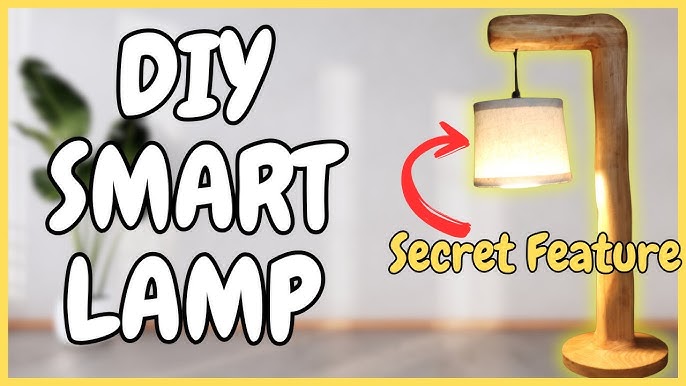
Are you tired of dull, generic desk lamps that don’t match your style or needs? Imagine having a lamp that not only lights up your workspace perfectly but also reflects your personality.
Making your own desk lamp is easier than you think, and it gives you complete control over design, brightness, and materials. Keep reading, and you’ll discover simple steps to create a unique lamp that brightens your room and sparks your creativity.
Your perfect desk lamp is just a few easy moves away!
Choosing Materials
Choosing the right materials sets the foundation for a desk lamp that not only looks good but also functions well. Every part you pick will influence how your lamp performs and fits into your workspace. Think about durability, style, and how each piece works together before you start assembling.
Selecting The Lamp Base
The base holds your lamp steady, so it needs to be solid and balanced. Materials like wood, metal, or heavy plastic work well depending on your style and budget. I once used a thick wooden block for a rustic look, and it kept the lamp stable without tipping over.
Consider the size and weight—too light, and your lamp might wobble; too heavy, and it can be hard to move. Also, look for bases with a smooth surface so you can easily attach other parts.
Picking The Right Bulb
The bulb affects your lamp’s brightness and energy use. LED bulbs are great because they last long and use less electricity. You can choose warm light for a cozy feel or cool light for better focus, depending on your desk tasks.
Don’t forget to check the bulb’s size and fitting type to make sure it fits your lamp socket. Have you thought about smart bulbs that let you adjust brightness and color with your phone? They add a modern touch and flexibility to your setup.
Choosing A Lampshade
The lampshade controls how light spreads across your desk. Fabric shades give a soft glow, while glass or metal shades direct light more sharply. I once tried a paper shade, which looked unique but wasn’t durable enough for daily use.
Pick a shade size that matches your base and bulb. Too big, and it might overpower the lamp; too small, and it won’t diffuse light well. Think about the color too—white or light colors brighten up the space, while darker shades create focused lighting.
Tools You’ll Need
Gathering the right tools is essential before you start making your own desk lamp. The right set makes the process smoother and safer. It also saves you from unnecessary frustration and mistakes.
Basic Electrical Tools
Working with electrical parts requires specific tools to ensure safety and accuracy. You’ll need a wire stripper to remove insulation without damaging the wires. A multimeter helps check voltage and continuity, which is crucial before connecting your lamp to power.
Don’t forget a screwdriver set with flathead and Phillips tips to assemble and secure components. Electrical tape is handy for insulating wire connections. If you want a professional finish, heat shrink tubing offers a cleaner and safer alternative.
Assembly Tools
Besides electrical tools, a few general assembly tools make building your lamp easier. A cordless drill speeds up making holes or screwing parts together. Pliers, especially needle-nose types, help hold small components firmly and bend wires precisely.
Sandpaper can smooth out rough edges on wooden or metal parts, preventing splinters or scratches. Clamps keep pieces steady while you glue or screw them. Have you ever tried assembling something without a clamp? It’s frustrating and often leads to crooked results.
Design Ideas
Designing your own desk lamp is an exciting project. You can express your creativity and style. With the right ideas, your lamp can become a unique piece in your home.
Modern Minimalist Styles
Modern minimalist lamps focus on simplicity. They use clean lines and neutral colors. Materials like metal and glass work well. Think about geometric shapes. A simple cylinder or cube can be striking. LEDs are a good choice for a sleek look. They save energy and last longer.
Rustic And Vintage Looks
Rustic lamps have a warm, cozy feel. Use wood, burlap, or aged metals. These materials add texture and charm. Try adding Edison bulbs for a vintage touch. They give off a soft, warm glow. Consider an old lantern or a wooden beam as a base.
Upcycled And Eco-friendly Designs
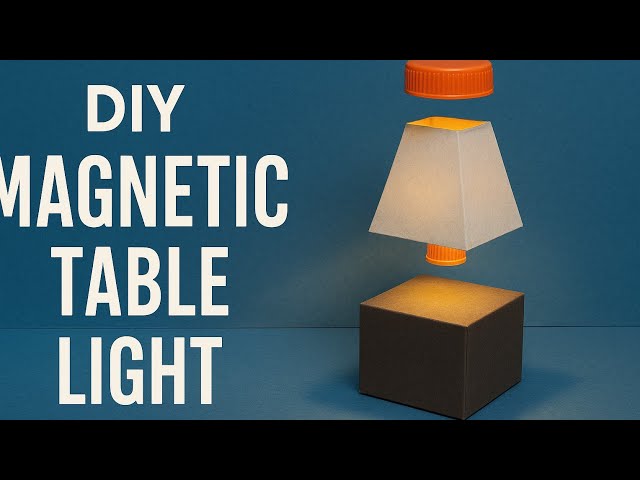
Upcycling is great for the environment. Use old items like jars, bottles, or cans. These can be transformed into lamp bases. Paint them or leave them as they are for a raw look. Solar-powered lights add an eco-friendly touch. Repurposing items reduces waste and saves resources.
Credit: www.youtube.com
Step-by-step Assembly
Putting together your own desk lamp can be a rewarding experience. It’s not just about assembling parts; it’s about creating a piece that fits your style and needs perfectly. Let’s walk through the key steps to bring your custom lamp to life.
Preparing The Base
Start by selecting a stable and sturdy base to support your lamp. You can use materials like wood, metal, or even heavy ceramics depending on your design vision.
Make sure the base has a flat surface to hold the lamp upright. Drill a hole where the wiring will pass through—this keeps the setup neat and safe.
Think about adding rubber pads underneath to prevent slipping and protect your desk’s surface. Have you checked if your base feels balanced enough to avoid tipping over?
Wiring The Lamp
Safety is crucial here. Use insulated copper wire rated for lamps and ensure your plug and switch are compatible with your country’s electrical standards.
Thread the wire through the hole in the base, then connect it to the lamp socket following the wiring instructions carefully.
Double-check all connections are secure and insulated to prevent shorts. If you’re unsure about wiring, consulting an electrician can save you trouble later.
Attaching The Bulb And Shade
Choose a bulb that matches your lamp socket and desired brightness—LED bulbs work great for energy saving.
Secure the bulb into the socket gently but firmly. Then, attach the lamp shade, making sure it fits snugly and complements your lamp’s style.
Consider how the shade affects light direction and diffusion. Would a translucent or opaque shade better suit your workspace lighting needs?
Safety Tips
Building your own desk lamp is rewarding, but safety must be your top priority. Working with electrical parts can be risky if you don’t handle them properly. Paying close attention to safety tips will protect you from accidents and ensure your lamp works perfectly.
Handling Electrical Components
Always unplug your power source before touching any wires or electrical parts. Use insulated tools to reduce the risk of electric shock. Keep your workspace dry—water and electricity don’t mix well.
Check all wires for damage before use. Frayed or exposed wires can cause short circuits or fires. If you’re unsure about wiring, consult a professional or use a pre-made socket and plug set designed for DIY projects.
Testing The Lamp
Before assembling everything fully, test your lamp with a low-watt bulb. This helps you spot wiring mistakes without risking damage. Observe if the lamp switches on smoothly and the bulb stays cool during use.
Use a voltage tester to verify connections are correct. If the lamp flickers or makes unusual noises, turn it off immediately and double-check the wiring. Testing step-by-step saves time and prevents hazards later.
Avoiding Common Mistakes
- Don’t skip grounding your lamp if required; it prevents electrical shock.
- Avoid using bulbs with wattage higher than the lamp’s rating.
- Never rush the wiring process—slow, careful work reduces errors.
- Keep flammable materials away from your lamp’s light source.
Have you ever tried a DIY project only to realize you missed a small but crucial safety step? Paying attention to these details can make the difference between a successful project and a dangerous one. What safety checks will you add to your build?
Customizing Your Lamp
Customizing your desk lamp lets you create a unique piece that fits your style and needs. It transforms a simple lamp into a personal statement. Small changes can make a big impact on the look and feel of your workspace.
Painting And Finishing Touches
Choose paint colors that match your room or mood. Use spray paint for smooth, even coats. Matte or glossy finishes change the lamp’s vibe. Seal the paint with a clear coat to protect it from scratches. Let each layer dry completely before adding the next.
Adding Decorative Elements
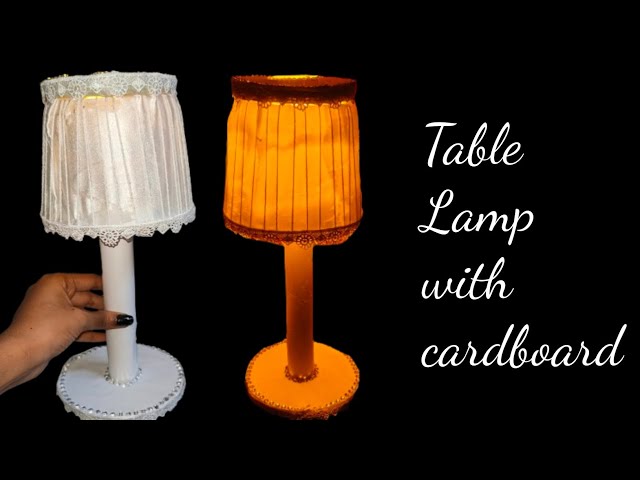
Decorations give your lamp character. Try wrapping the base with colorful washi tape or fabric strips. Glue small beads or buttons for a textured look. Attach stickers or decals that show your hobbies or favorite themes. Keep decorations light to avoid tipping over your lamp.
Adjusting Brightness And Color
Pick bulbs with adjustable brightness for flexible lighting. Use smart bulbs to change colors with an app or remote. This adds mood lighting and helps with tasks. Dimmer switches offer simple control over light levels. Choose LED bulbs for energy savings and long life.
Maintaining Your Desk Lamp
Keeping your desk lamp in good shape ensures it lasts longer and works well. Regular care helps avoid common problems and keeps your workspace bright. Simple maintenance tasks can save time and money over the years.
Cleaning Tips
Dust and dirt can reduce your lamp’s brightness. Use a soft cloth to wipe the lamp weekly. Avoid harsh chemicals that might damage the lamp’s finish.
For glass or plastic shades, use mild soap and water. Dry completely before putting it back to avoid water spots. Clean the bulb gently when cool to remove dust.
Replacing Bulbs
Choose the correct bulb type and wattage for your lamp. Check the lamp’s label for this information. Turn off and unplug the lamp before changing the bulb.
Allow the old bulb to cool before removing it. Screw in the new bulb carefully without forcing it. Test the lamp to make sure the new bulb works well.
Troubleshooting
If the lamp does not turn on, check the power source first. Make sure the plug is secure in the outlet. Try a different bulb if the lamp still won’t light.
Look for loose wires or broken switches. Tighten any loose parts carefully. If the problem continues, consider asking a professional for help.

Credit: www.youtube.com
Credit: www.youtube.com
Frequently Asked Questions
What Materials Are Needed To Make A Desk Lamp?
To make a desk lamp, you’ll need a lamp base, socket, bulb, wiring, switch, and lampshade. Optional tools include a drill and screwdriver. Choose materials based on your design for safety and style.
How Do I Safely Wire My Diy Desk Lamp?
Ensure the power is off before wiring. Connect the socket wires to the switch and plug wires properly. Use insulated connectors and test the circuit with a multimeter to avoid hazards.
What Type Of Bulb Is Best For Homemade Desk Lamps?
LED bulbs are ideal for homemade desk lamps. They are energy-efficient, long-lasting, and produce less heat. Choose the right brightness and color temperature for your workspace needs.
Can I Customize The Design Of My Desk Lamp?
Yes, you can customize your desk lamp’s design. Use different materials, colors, and shapes to fit your style. Personalize the lampshade or base to match your room decor.
Conclusion
Making your own desk lamp brings both fun and creativity. You control the style and light it gives. This project helps you learn new skills step by step. A handmade lamp adds a personal touch to your space. It saves money and lets you choose materials you like.
Try different designs until you find what fits best. Enjoy the process and show off your unique lamp proudly. Crafting your own lamp is simple, useful, and rewarding. Give it a try and brighten your desk your way.



