
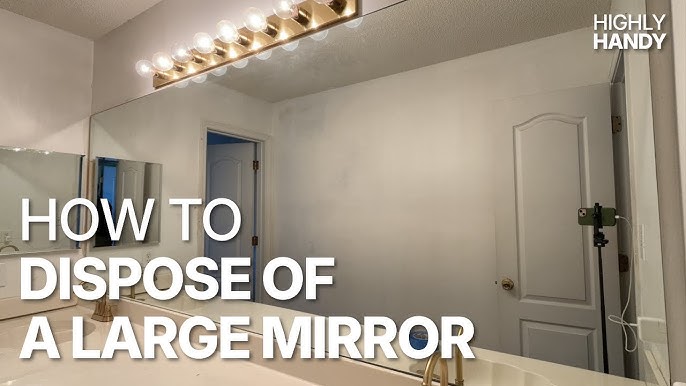
Removing a large mirror from your bathroom wall can feel like a tough job. You might worry about damaging your wall or the mirror itself.
But don’t worry—this guide will walk you through every step, making the process simple and safe. By the end, you’ll know exactly how to take down that heavy mirror without stress or mess. Ready to get started and make your bathroom update easier?
Keep reading!

Credit: www.angi.com
Tools Needed
Removing a large bathroom mirror requires the right tools to ensure safety and ease. Having the correct equipment helps prevent damage to walls and glass. Prepare all tools before starting the removal process.
Using proper tools makes the job faster and less stressful. Gather everything in one place to work smoothly.
Safety Gear
- Protective gloves to avoid cuts from broken glass
- Safety goggles to shield eyes from debris
- Long sleeves to protect arms from scratches
Cutting Tools
- Utility knife to cut through caulking or adhesive
- Putty knife or thin pry bar to gently separate mirror edges
Support And Lifting Tools
- Suction cups to hold and lift the mirror safely
- Assistant or helper to manage large mirror handling
Wall Repair Supplies
- Spackle or wall filler to patch holes or damage
- Sandpaper to smooth patched areas
- Paint or primer for finishing touch-ups
Prepare The Area
Clear the bathroom space around the mirror to avoid accidents. Lay down a drop cloth to catch debris and protect surfaces. Gather all necessary tools nearby for easy access.
Preparing your bathroom space before removing a large mirror is crucial for a smooth and safe process. You want to ensure everything is set up correctly to prevent damage to your bathroom and protect yourself from potential injury. Here’s how to get your space ready:Clear Surroundings
Begin by removing any items around the mirror. This includes toiletries, decorative pieces, and any bathroom essentials that could get in the way. A clutter-free area not only makes the task at hand more manageable but also reduces the risk of accidents. Next, check the floor space around the mirror. Clear away bath mats or rugs that might trip you up. You want stable footing when handling a large and potentially heavy mirror.Protect Yourself
Safety should always be your priority. Wear sturdy gloves to protect your hands from sharp edges or broken glass. Safety goggles are a smart addition to shield your eyes from any flying shards. Think about your clothing too. Long sleeves and pants made from thick material can provide an extra layer of protection. You never know when a piece of glass might break or when the mirror might slip from your grip.Gather Helpers
Removing a large mirror isn’t a one-person job. Enlist the help of a friend or family member. Having an extra pair of hands can make a huge difference in managing the mirror’s weight and size. Coordinate your efforts. Discuss the plan before you start. Who will hold the mirror? Who will handle the tools? Clear communication can prevent mishaps and ensure everyone stays safe.Inspect The Mirror Attachment
Before you start prying your large bathroom mirror off the wall, take a moment to carefully inspect how it’s attached. Knowing exactly what’s holding the mirror in place saves you from unexpected damage and makes the removal process smoother. Each mirror installation can be different, so a close look at the attachment points is crucial.
Check For Mounting Clips
Mounting clips are small metal or plastic brackets that hold the edges of the mirror. Look closely along the mirror’s perimeter for these clips, which might be screwed into the wall or simply snapped on. If you spot them, you’ll need to gently unscrew or pry the clips away before the mirror can come off.
Have you noticed any small gaps or indentations at the edges? That’s often a sign clips are hiding there. Removing these clips carefully prevents cracking or chipping your mirror’s edges.
Look For Adhesive Or Caulk
Many large bathroom mirrors are glued directly to the wall using strong adhesive or sealed with caulk along the edges. Run your fingers along the mirror’s border to feel for any sticky residue or hardened caulk. If you find it, you’ll need to soften the adhesive with a heat gun or use a putty knife to slowly separate the mirror.
Be patient here—rushing can lead to broken glass or wall damage. Ever tried peeling off dried glue quickly? It rarely ends well.
Locate Screws Or Anchors
Sometimes mirrors are secured with screws or wall anchors hidden behind the frame or behind the mirror itself. Look for visible screw heads or small plastic anchors on the wall around the mirror. If you don’t see any, try gently moving the mirror to check for resistance spots that could be hidden fasteners.
Remember, removing screws is straightforward but finding hidden anchors might require extra care. Are you prepared with the right screwdriver or tools to handle them?
Remove Mounting Clips Or Screws
Removing mounting clips or screws is a key step when taking down a large bathroom mirror. These fixtures hold the mirror securely, so handling them carefully prevents damage to your wall and the mirror itself. Knowing how to identify and remove them effectively saves you time and frustration.
Identify The Type Of Mounting Hardware
Start by looking closely at the edges of your mirror. Mounting clips usually grip the mirror from the sides, while screws might go through the clips or directly into the wall behind the mirror.
Sometimes, clips are hidden under caulk or paint, so gently run your fingers along the edges to feel for any hardware. If you spot any, note how they are fixed—this helps you pick the right tools.
Gather The Right Tools For Removal
Before you begin, have these tools ready: a screwdriver (flathead or Phillips depending on the screws), a putty knife or plastic scraper, and safety gloves.
Using the right screwdriver prevents stripping the screws, and gloves protect your hands from sharp edges. If the clips are painted over, the putty knife will help loosen the paint without damaging the wall.
Loosen And Remove Mounting Clips
Carefully pry up the clips with a putty knife if they are stuck. Apply gentle pressure to avoid cracking the mirror or damaging the wall.
Once loose, use your screwdriver to remove any screws holding the clips. Keep all screws and clips together—you might need them again if you plan to remount the mirror or hang a new one.
Unscrew Direct Wall Mounts
If the mirror is mounted directly with screws into the wall, use your screwdriver to remove each one slowly. Support the mirror with one hand or have someone help you as you remove the screws to prevent it from falling.
Be patient; forcing screws can damage the wall anchors. If screws are stubborn, try applying a little WD-40 to ease the process.
Loosen Adhesive Or Caulk
Removing a large bathroom mirror requires careful handling of the adhesive or caulk holding it in place. Loosening this seal is key to avoid damage to the wall or mirror. The process involves cutting through the adhesive and softening it when necessary. This step ensures the mirror detaches smoothly and safely.
Use A Utility Knife
A sharp utility knife cuts through the adhesive or caulk around the mirror edges. Hold the blade at a shallow angle to avoid wall damage. Run the knife slowly and steadily along the seal line. Repeat the cut in multiple passes for deeper seals. Dispose of the blade safely after use.
Apply Heat If Needed
Heat softens tough adhesive, making it easier to remove. Use a hairdryer or heat gun on low settings. Hold it a few inches from the seal and move it evenly. Warm the area for several minutes to loosen the caulk. Avoid overheating to prevent wall or mirror damage.
Remove The Mirror Safely
Removing a large mirror from your bathroom wall requires caution and patience. A careless move can lead to broken glass or wall damage. Ensuring safety first protects both you and your home while making the task smoother.
Lift And Detach Gently
Start by loosening the mirror carefully. Avoid sudden jerks or pulling hard, as this can crack the glass or pull chunks from the wall. Instead, use slow, steady pressure to lift the mirror away from its mounting.
If the mirror is glued, try sliding a thin wire or putty knife behind it to break the adhesive bond. This approach helps prevent damage to the mirror’s backing and the wall surface.
Handle With Care
Once the mirror is free, support it firmly from the bottom and sides. Large mirrors are heavy and fragile, so having a second person assist is wise. This reduces the risk of dropping or tipping it over.
Place the mirror on a soft surface like a blanket or foam padding immediately after removal. Doing so keeps the edges safe from chips and cracks. What simple safety step can you add to protect your mirror during this process?
Clean The Wall After Removal
Cleaning the wall after removing a large bathroom mirror is essential. It restores the wall’s appearance and prepares it for repainting or new fixtures. Residual adhesive and minor damage often remain. Addressing these issues improves the wall’s look and prevents further problems.
Remove Residual Adhesive
Adhesive residue can be sticky and hard to remove. Use a gentle adhesive remover or rubbing alcohol. Apply it with a soft cloth. Let it sit for a few minutes. Then, rub the area gently until the glue dissolves. Avoid harsh scrubbing to protect the wall surface.
Another option is to use warm soapy water. Soak a sponge and press it on the residue. This softens the adhesive. After a few minutes, wipe it off carefully. Repeat the process if needed. Pat the wall dry with a clean towel.
Repair Wall Damage
Removing a large mirror can cause holes or scratches. Fill small holes and cracks with spackle or wall filler. Use a putty knife to spread the filler smoothly. Let it dry completely according to the product instructions.
After drying, sand the patched areas lightly. This creates a smooth surface. Wipe away the dust with a damp cloth. For bigger damage, consider using a wall repair patch before applying filler.
Once the wall is smooth and clean, it is ready for painting or tiling. Proper repair ensures a neat and durable finish.

Credit: www.youtube.com
Dispose Or Reuse The Mirror
Once you have carefully removed the large mirror from your bathroom wall, the next question is what to do with it. Should you throw it away, recycle it, or give it a new life with a creative reuse? Your choice can impact the environment and even add value to your home or community.
Recycle Options
Mirrors are made with glass and a reflective coating, which means you can’t just toss them in your regular recycling bin. Check with local recycling centers to see if they accept mirrors specifically.
Some facilities will separate the glass from the reflective backing and recycle the glass properly. If your community doesn’t offer mirror recycling, consider contacting specialty glass recyclers or salvage yards.
Always handle the mirror carefully to avoid breakage, which complicates recycling. Wrapping it in blankets or thick cardboard can protect both you and the environment during transport.
Repurposing Ideas
Instead of disposing of your mirror, think about ways to reuse it around your home or garden. Cutting the mirror into smaller pieces can create beautiful mosaic art for tabletops or picture frames.
Another idea is to use the mirror as a decorative tray or backing for a shelf. You could also lean it against a wall in your living room or hallway to add light and depth to the space.
Have you ever thought about using a large mirror in your garden? It can reflect sunlight and create the illusion of a bigger outdoor area, making your garden feel more open and bright.
Before you decide what to do, ask yourself: Does this mirror have the potential to serve a new purpose in my home or community? You might be surprised how many creative options are available.

Credit: www.youtube.com
Frequently Asked Questions
How Do I Safely Remove A Large Bathroom Mirror?
Start by protecting the area with towels or drop cloths. Use a putty knife to loosen adhesive gently. Have a helper support the mirror while you carefully lift it off the wall. Take your time to avoid cracks or injury.
What Tools Are Needed To Remove A Bathroom Mirror?
You need a putty knife, utility knife, gloves, safety goggles, and a helper. Optional tools include adhesive remover and suction cups. These tools help safely loosen and lift the mirror without damage.
Can I Remove A Glued Mirror Without Damaging Drywall?
Yes, by gently prying with a putty knife and using adhesive remover. Work slowly to loosen glue without tearing drywall. Protect the wall with painter’s tape before starting to minimize damage.
How Do I Handle Heavy Mirrors During Removal?
Always have at least one helper. Use suction cups for a firm grip. Lift carefully and steadily to avoid dropping or breaking the mirror. Wear protective gloves and eyewear for safety.
Conclusion
Removing a large bathroom mirror takes care and patience. Use the right tools to avoid damage. Work slowly to keep the wall safe. Ask for help if the mirror feels heavy. Clean the area after removal for a fresh look.
Taking these steps makes the task easier and safer. Now, you can update your bathroom with confidence.



