
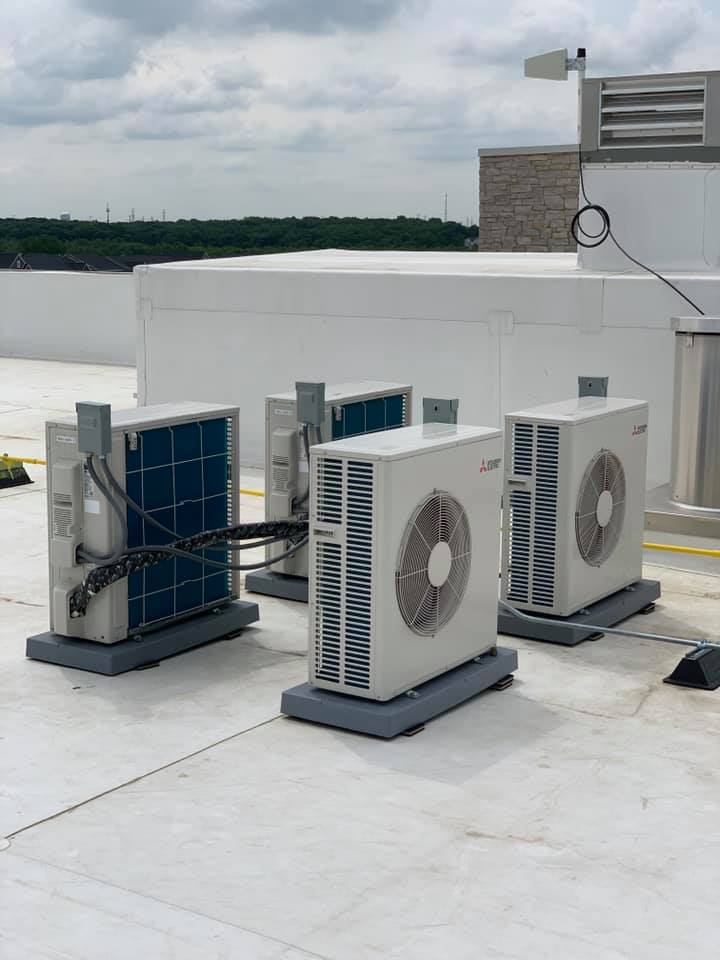
Have you ever stopped to wonder, “What do you call AC?” It might seem like a simple question, but the answer can surprise you. Whether you’re chatting with friends, shopping for a new unit, or trying to fix your cooling system, knowing the right term can make all the difference.
Keep reading, and you’ll discover exactly what AC means, the different names people use, and why it matters to you. This little detail could change the way you talk about staying cool forever.
Credit: aircontrolusa.com
Common Ac Terms
Understanding common AC terms helps you make smarter choices when buying or maintaining your air conditioner. These terms clarify what type of unit suits your space, how it works, and how powerful it needs to be. Let’s break down the basics so you feel confident discussing your cooling options.
Types Of Air Conditioners
Air conditioners come in various types, each designed for different needs and spaces. The most common ones include:
- Window AC:A compact unit installed in a window, ideal for cooling single rooms.
- Split AC:Consists of two parts—an indoor unit and an outdoor compressor. Great for cooling larger rooms quietly.
- Portable AC:A movable unit that you can shift between rooms, but it needs a vent to the outside.
- Central AC:Designed to cool entire homes through ductwork, perfect if you want consistent cooling everywhere.
Have you noticed how choosing the right type affects both your comfort and energy bills?
Basic Components
Knowing the main parts inside an air conditioner helps you understand how it cools your space. The key components include:
- Compressor:Compresses refrigerant gas, making it hotter and higher pressure, which allows heat to be released outside.
- Condenser Coil:Releases heat absorbed from the indoors to the outside air.
- Evaporator Coil:Absorbs heat from inside your room, cooling the air.
- Expansion Valve:Controls the flow of refrigerant into the evaporator, helping to lower its pressure and temperature.
- Fan:Moves air over the coils and circulates the cooled air inside the room.
Ever wondered why your AC sometimes feels less effective? It’s often related to one of these parts not working properly.
Cooling Capacity
Cooling capacity tells you how much heat an air conditioner can remove from a room in an hour. It’s usually measured in British Thermal Units (BTUs).
Choosing the right BTU rating is crucial. Too low, and your room won’t get cool enough. Too high, and you’ll waste energy and money.
Think about the size of your room and how many people or electronics generate heat. This helps you pick an AC with the right cooling power.
Technical Ac Vocabulary
Understanding the technical vocabulary of air conditioners (AC) helps to grasp how these devices work. This knowledge makes choosing and using AC units easier. The terms below explain common technical words you may hear about AC systems.
Refrigerant Types
Refrigerants are fluids that absorb heat and cool the air inside your home. Different types exist, each with unique properties and environmental impacts. Popular refrigerants include:
- R-22:Older refrigerant, being phased out due to ozone damage.
- R-410A:Common in modern ACs, safer for the environment.
- R-32:Newer refrigerant with low global warming potential.
Choosing the right refrigerant affects AC efficiency and environmental safety.
Seer And Eer Ratings
These ratings show how energy efficient an air conditioner is. SEER stands for Seasonal Energy Efficiency Ratio. It measures cooling efficiency over a season. Higher SEER means lower energy use and cost.
EER means Energy Efficiency Ratio. It measures efficiency at a specific temperature, usually hot days. Both ratings help compare AC units before buying.
Btu Explained
BTU stands for British Thermal Unit. It measures the cooling power of an AC. One BTU is the energy needed to raise one pound of water by one degree Fahrenheit.
More BTUs mean more cooling power. Choosing the right BTU size is important. Too small won’t cool well, too large wastes energy.
Installation And Maintenance Terms
Understanding the terms related to installation and maintenance of your AC can save you time and money. It also helps you communicate better with professionals and make informed decisions. Let’s break down some key concepts that you’ll encounter during the setup and upkeep of your air conditioning system.
Ductwork
Ductwork refers to the system of tubes that carries cooled air from the AC unit into different rooms in your home. Properly designed and sealed ducts ensure efficient airflow and prevent energy loss.
Have you ever noticed uneven cooling in your house? It might be due to leaks or blockages in your ductwork. Regular inspection and cleaning can keep your ducts in top shape and improve your AC’s performance.
Thermostat Functions
The thermostat controls the temperature settings and operation mode of your AC. Modern thermostats come with features like programmable schedules and remote access through smartphones.
Using your thermostat wisely can reduce energy bills. For example, setting it a few degrees higher when you’re away can save a lot. Do you know all the modes your thermostat offers? Getting familiar with them helps you use your AC more efficiently.
Filter Types
Filters trap dust, pollen, and other particles to keep your air clean and protect your AC components. Common types include fiberglass, pleated, and HEPA filters, each with different levels of filtration and cost.
Changing or cleaning your filter regularly prevents strain on your system and improves air quality. When was the last time you checked yours? Choosing the right filter depends on your needs—whether you want basic dust control or allergy relief.

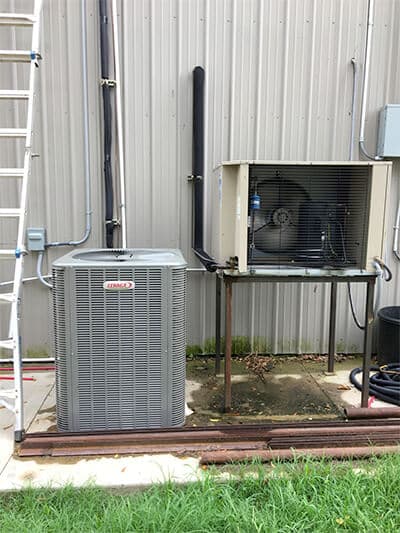
Credit: derryberryac.com
Energy Efficiency And Costs
Understanding the energy efficiency and costs of air conditioners (AC) can significantly impact your monthly bills and environmental footprint. Many homeowners overlook the hidden costs associated with inefficient AC units. By paying attention to specific features and ratings, you can make smarter decisions that benefit your wallet and the planet.
Energy Star Ratings
Look for the Energy Star label when choosing an AC unit. This certification ensures the unit meets strict efficiency guidelines. Units with this rating typically use 15% less energy than standard models.
Consider what a 15% reduction in your energy bill could mean for your annual savings. It adds up quickly, especially during peak summer months when AC usage is at its highest.
Power Consumption
AC units vary widely in their power consumption. Check the unit’s BTU (British Thermal Unit) rating to understand its cooling capacity. Larger spaces require units with higher BTUs, but be wary of choosing a unit that’s too powerful for your needs.
Excessive power consumption not only inflates your energy bill but can also lead to premature wear and tear. Balancing the unit size with your space needs is crucial for both cost and efficiency.
Cost-saving Tips
- Regularly clean or replace air filters to maintain efficiency.
- Use a programmable thermostat to regulate temperature when you’re away.
- Consider investing in ceiling fans to circulate air and reduce the need for constant cooling.
Have you ever thought about how much a simple habit like closing blinds can affect your energy consumption? Small changes like this can reduce the load on your AC unit, resulting in lower costs and extended lifespan.
Troubleshooting And Repairs
Troubleshooting and repairs are key to keeping your AC running smoothly. Many problems can appear over time. Knowing the common issues helps you fix small problems early. Understanding diagnostic terms makes communication with technicians easier. Some problems need expert attention to avoid bigger damage.
Acting quickly saves money and keeps your home comfortable. Learn the signs of trouble and when to get help. This knowledge helps you maintain your AC’s performance and lifespan.
Common Issues
- AC not cooling properly
- Strange noises during operation
- Water leaking from the unit
- Foul or unusual odors
- Frequent cycling on and off
- Weak airflow from vents
- High energy bills without reason
Diagnostic Terms
- Thermostat:Device controlling temperature settings
- Refrigerant:Fluid that cools the air
- Compressor:Part that pumps refrigerant
- Condenser:Releases heat from refrigerant
- Evaporator:Absorbs heat from indoor air
- Capacitor:Helps start the motor
- Fan motor:Moves air over coils
When To Call A Technician
- AC does not turn on at all
- Unit makes loud or strange noises
- Water leaks persist after cleaning
- Thermostat shows incorrect temperature
- Fuses or breakers trip repeatedly
- Strong electrical smell near the unit
- System runs but does not cool

Credit: coolairsolutions.com
Frequently Asked Questions
What Is The Full Form Of Ac?
AC stands for Air Conditioner. It is a device that cools indoor air. ACs remove heat and humidity to make rooms comfortable.
How Do You Describe An Ac Unit?
An AC unit is a machine that cools and dehumidifies air. It works by circulating refrigerant and blowing chilled air indoors.
What Are Common Names For Ac?
Common names for AC include air conditioner, cooling unit, and HVAC system. These terms refer to devices that regulate indoor temperature.
Why Do People Call Ac “air Con”?
People call AC “air con” as a short form of air conditioner. It is a popular informal term used worldwide.
Conclusion
Understanding what “AC” means helps you communicate better every day. It can mean air conditioning, alternating current, or other things. Context tells you which meaning fits best. Knowing these uses makes conversations clearer and easier. Next time you see “AC,” you’ll know what to think.
Simple and useful knowledge for daily life. Keep learning small things like this to improve your English skills.



